Trump won’t be happy about this.
Political tensions between President Donald Trump and several Democratic governors are escalating — and the latest controversy centers around what was once a routine bipartisan tradition.
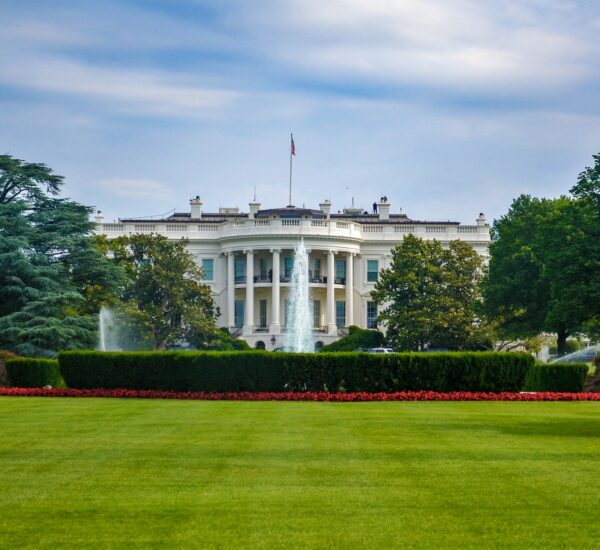
At issue is the upcoming annual winter meeting of the National Governors Association (NGA), typically held in Washington, D.C., and historically accompanied by a formal White House gathering and dinner with the president.
This year, however, the event has become a flashpoint in the ongoing divide between state-level Democrats and the Trump administration.
Dispute Over White House Invitations Sparks Debate
Kentucky Governor Andy Beshear, who serves as chair of the Democratic Governors Association (DGA), publicly criticized what he described as unnecessary drama surrounding invitations to the White House portion of the event.
In a national television interview, Beshear argued that governors typically attend the annual conference to focus on economic growth, job creation, public safety, health care access, and education — not political conflict.
According to reports, confusion emerged after mixed messaging between the White House and the NGA about whether all governors would be invited to the traditional White House dinner.
The NGA winter meeting is scheduled for February 19–21 in Washington, D.C. For decades, the gathering has symbolized cooperation between state leaders and the federal government, regardless of party affiliation.
President Trump Pushes Back
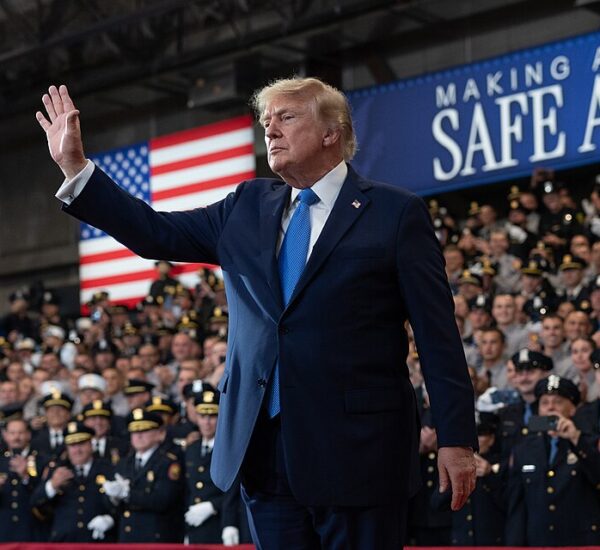
President Trump responded directly on Truth Social, disputing claims that invitations were widely restricted.
He criticized Oklahoma Governor Kevin Stitt, referring to him as a “RINO” — a term commonly used by conservatives to describe a “Republican in name only.”
President Trump clarified that invitations were extended to all governors except two: Colorado Governor Jared Polis and Maryland Governor Wes Moore, both Democrats.
The president stated that those two governors were not invited because he did not consider them “worthy” of attending the exclusive event.
A Broader Political Divide
For many conservative voters — particularly Americans over age 50 — this situation reflects a larger national pattern.
President Trump has consistently emphasized accountability, party loyalty, and strength in leadership. Supporters argue that a president is under no obligation to host governors who frequently oppose his administration’s policies on issues such as border security, energy independence, federal spending, and public safety.
At the same time, critics argue that bipartisan dialogue remains important for disaster response coordination, infrastructure funding, economic development, and intergovernmental cooperation.
The dispute highlights a broader question facing Washington today: Should long-standing political traditions continue unchanged, or should they evolve alongside the increasingly polarized national climate?
What Happens Next?
With the NGA conference approaching, it remains uncertain how the White House portion of the event will ultimately unfold.
Some Democratic governors have indicated they may not attend if certain colleagues are excluded. Others have remained noncommittal.
Regardless of the final attendance list, the controversy underscores the ongoing friction between Republican leadership in Washington and Democratic governors across several states.
As the political landscape continues to shift heading into the next election cycle, moments like this serve as reminders that even routine government events can become high-profile political battlegrounds.
Final Thoughts
For voters paying close attention — especially those concerned about federal-state relations, fiscal responsibility, and executive leadership — this episode is about more than dinner invitations.
It is another chapter in the evolving dynamic between President Trump and state-level Democratic officials — a dynamic likely to remain central to national politics in the months ahead.