Trump Increases Pressure On The Fed
Interest rates, inflation, retirement savings, and the strength of the U.S. economy are once again at the center of Washington’s biggest policy debate.
After two encouraging economic reports, President Donald Trump is increasing pressure on the Federal Reserve to lower interest rates — arguing that the data proves America’s economy is strong enough to support rate cuts.
For Americans over 50, especially retirees and those planning retirement, this debate could directly impact mortgage rates, bond yields, stock market performance, Social Security buying power, and savings returns.
Here’s what you need to know.
Inflation Falls Below Expectations
The latest Consumer Price Index (CPI) report shows annual inflation cooling to 2.5 percent — better than many economists expected.
That’s significant.
For the past several years, high inflation has eroded purchasing power, driving up costs for groceries, healthcare, utilities, housing, and gasoline. A steady decline toward the Federal Reserve’s 2 percent target suggests price pressures may finally be stabilizing.
President Trump pointed to the report as proof his economic policies are working.
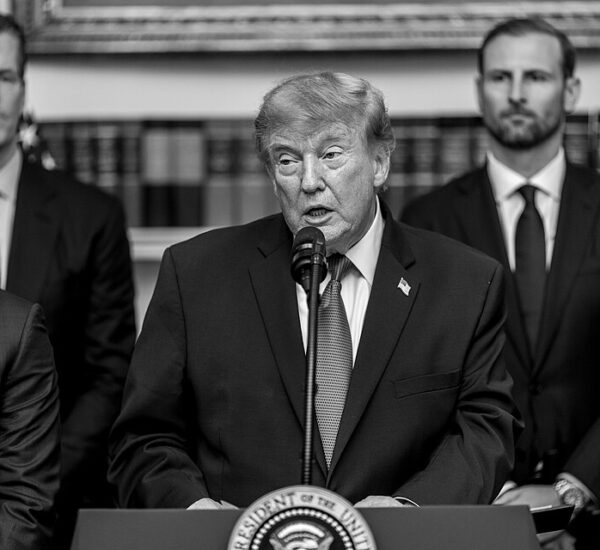
“We’ve brought costs way down… inflation is back on track,” Trump said at the White House.
For millions of Americans on fixed incomes, that trend matters more than any political talking point.
Strong Jobs Report Signals Economic Stability
Just days before the inflation data, the Labor Department reported that the U.S. economy added 130,000 jobs last month.
While not explosive growth, it was stronger than expected — signaling that employers are still hiring despite higher borrowing costs.
Low unemployment combined with moderating inflation is often described as a “soft landing” — something economists said would be difficult to achieve.
The Trump administration now argues this is the moment for the Federal Reserve to act.
Why Trump Wants Interest Rates Lowered
Interest rates affect nearly every corner of the economy:
- Mortgage rates
- Credit card interest
- Auto loans
- Business expansion loans
- U.S. Treasury bond yields
- Stock market valuations
Trump has repeatedly stated that as the world’s strongest economy, the United States should not be paying high borrowing costs.
“The United States should be paying much less on its bonds,” he wrote recently.
The White House argues that with inflation stabilizing and job growth intact, keeping rates elevated risks slowing economic momentum unnecessarily.
Lower interest rates could:
- Stimulate housing markets
- Boost small business expansion
- Increase stock market liquidity
- Reduce federal borrowing costs
- Encourage capital investment
For conservative voters focused on growth, prosperity, and American competitiveness, the argument is straightforward: If inflation is cooling, why keep rates high?
The Federal Reserve’s Position
Federal Reserve Chair Jerome Powell has taken a more cautious approach.
At its most recent meeting, the Federal Open Market Committee voted 10-2 to keep rates between 3.5 percent and 3.75 percent.
Powell stated that while inflation has improved, it remains above the Fed’s 2 percent target.
“The economy is growing at a solid pace… inflation remains somewhat elevated,” Powell said.
The Fed currently projects two rate cuts later this year, with many analysts expecting the first move around June.
Markets widely expect the Fed to hold steady at its next meeting.
The Retirement and Savings Impact
For Americans 50 and older, interest rate policy creates a delicate balance.
Higher rates:
- Benefit savings accounts and CDs
- Increase bond yields
- Slow stock market growth
- Raise borrowing costs
Lower rates:
- Support stock market performance
- Lower mortgage refinancing costs
- Reduce loan expenses
- Potentially pressure savings yields
This is why the debate matters deeply to retirement planning.
Those relying on dividends, fixed income, and conservative investments are watching closely.
AI, Productivity, and a “New Growth Era”
Some Trump economic advisors argue that traditional inflation models may no longer apply in today’s economy.
With artificial intelligence and technological innovation accelerating productivity, the administration believes the U.S. may be entering a structural growth phase.
National Economic Council Director Kevin Hassett suggested that strong growth does not automatically mean inflation will spike — particularly in a technology-driven economy.
If productivity continues rising, the case for rate cuts becomes stronger.
Possible Leadership Change at the Fed
Another factor adding intrigue: President Trump has nominated former Federal Reserve official Kevin Warsh to replace Powell when his term expires.
Warsh is widely viewed as more forward-leaning and growth-oriented.
However, Senate confirmation politics could delay any leadership transition.
This adds uncertainty to how quickly policy may shift.
What Happens Next?
Financial markets currently anticipate:
- No rate cut in March
- Possible cut in June
- Additional adjustment later in the year
But if inflation continues trending downward and job growth remains stable, pressure on the Fed will intensify.
The coming months could determine:
- Mortgage rate direction
- Stock market trajectory
- Retirement account performance
- Treasury yields
- U.S. economic momentum heading into the election cycle
Bottom Line for Americans 50+
Cooling inflation and steady job growth are positive signals.
President Trump believes now is the time to lower rates and accelerate economic expansion.
The Federal Reserve appears willing to move — but cautiously.
For retirees, investors, homeowners, and business owners, the decision could shape financial conditions for the rest of the year.
One thing is certain: The battle over interest rates is far from over.