
Trump Tears Into Republican Traitor
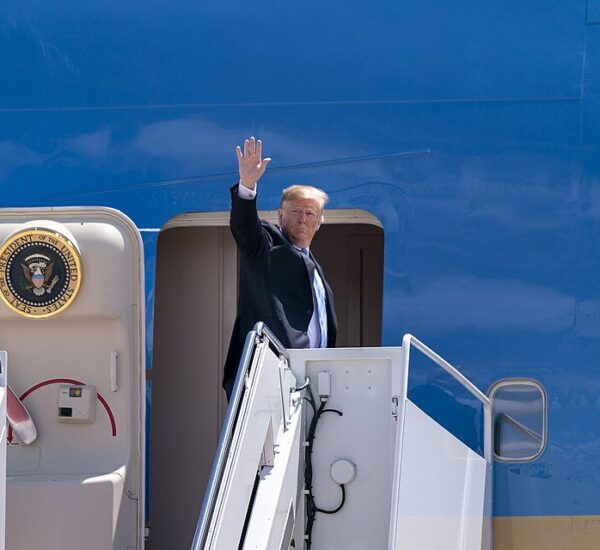
President Donald Trump is addressing controversy surrounding the annual White House Governors Dinner after Oklahoma Governor Kevin Stitt suggested invitations were being limited.
The dispute began when the National Governors Association (NGA) announced it would not hold its annual meeting at the White House this year — a break from long-standing tradition.
Trump Clarifies White House Invitation Policy
In a statement posted to Truth Social, President Trump rejected claims that Democratic governors were broadly excluded from the event.
According to Trump, invitations were sent to nearly all governors across the country — Republicans and Democrats alike — with only two exceptions.
The president emphasized that the White House retains full authority over guest invitations for official events and gatherings.
Trump also pointed to his strong support in Oklahoma, reminding readers that he carried all 77 counties in the state during his previous elections — a rare political achievement.
Which Governors Were Not Invited?
Reports indicated that Colorado Governor Jared Polis and Maryland Governor Wes Moore were not included on the guest list.
However, President Trump stated that other Democratic governors — including Illinois Governor JB Pritzker and California Governor Gavin Newsom — did receive invitations.
The administration’s position is that the dinner remains open to leaders willing to participate constructively, regardless of party affiliation.
Why the National Governors Association Moved the Meeting
Governor Stitt explained in a public letter that the NGA decided to change venues in order to avoid internal division.
He urged fellow governors to focus on bipartisan cooperation and practical governance, rather than allowing political disagreements in Washington to disrupt the organization’s mission.
Still, many observers note that White House events have historically reflected the priorities and discretion of the sitting president.
Media Reaction and Political Impact
The situation gained national attention after The New York Times reported on the invitation decisions. That coverage intensified debate over whether the move represented standard executive discretion or a political message.
For supporters of President Trump, the response is viewed as consistent with his leadership style — direct, transparent, and unapologetic.
Critics argue that bipartisan traditions should be preserved without controversy.
What This Means Moving Forward
As President Trump continues his current term, disputes between state leaders and the White House are likely to remain part of the political landscape.
However, this episode underscores an important principle: the executive branch has authority over official White House functions, including invitation lists.
For many Americans — particularly voters who value clarity and strong leadership — the president’s response signals that he will not allow what he considers inaccurate narratives to go unanswered.
With the political environment heading toward the next election cycle, developments like this are expected to shape ongoing discussions about leadership, governance, and executive authority.
“Are Democrats Trying To Downplay Trump’s Economic Success?”
of course!! that’s because President Trump’s economic policies actually work and it makes the dems look bad ….. although, …. the dems already do a pretty good job of making themselves look bad on their own and President Trump’s policies just add fuel to the fire that they, themselves have started.