Here’s what happened.
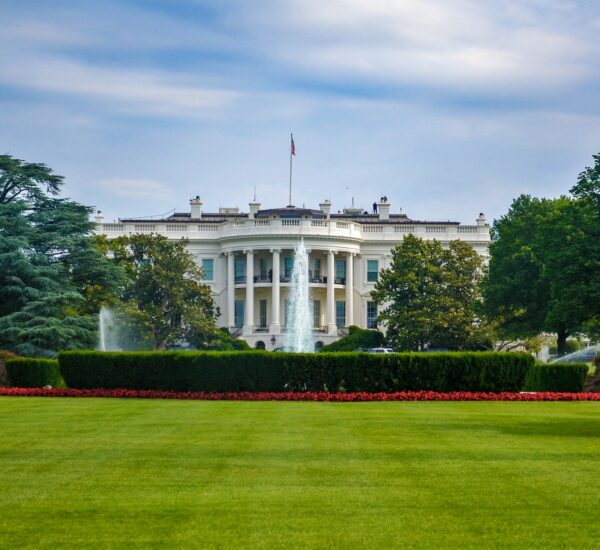
White House Press Secretary Karoline Leavitt revealed Thursday which Super Bowl halftime performance President Donald Trump is more likely to watch—and it isn’t the one airing on the main broadcast.
The NFL has selected Grammy Award–winning artist Bad Bunny as the official halftime performer for this year’s Super Bowl in Santa Clara, California. The announcement has drawn mixed reactions, particularly from conservative viewers who have criticized the league in recent years for what they see as politically charged entertainment choices.
As a response, Turning Point USA (TPUSA) announced plans for a separate, unofficial “All-American” halftime event scheduled to take place during the game. The alternative program will be headlined by country-rock performer Kid Rock and is being promoted as a celebration of patriotism, traditional values, and American culture.
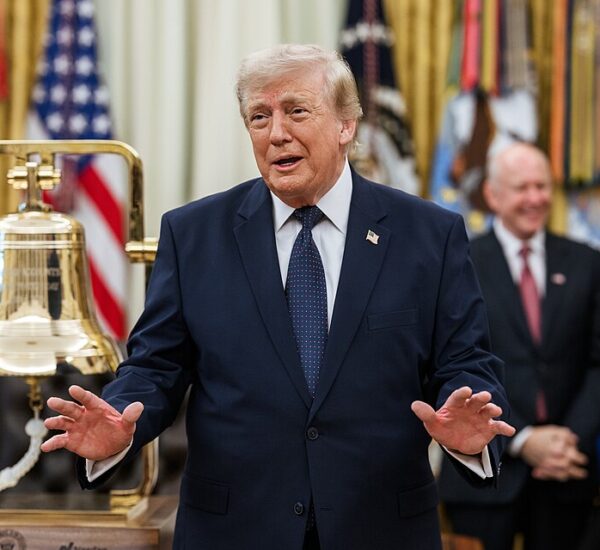
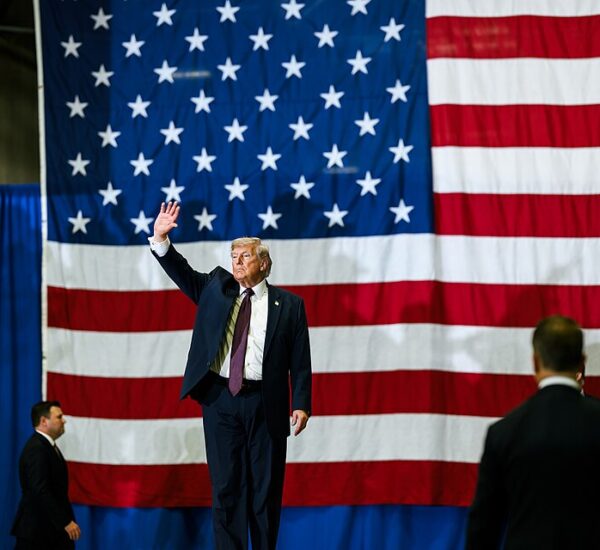
Leavitt suggested President Trump would favor the alternative show over the NFL’s official performance.
At the briefing, Leavitt told reporters that the president is more likely to tune into Kid Rock’s performance than Bad Bunny’s this Sunday.
While speculation has surrounded whether Trump would weigh in on Sunday’s matchup between the New England Patriots and the Seattle Seahawks, Leavitt said the president has chosen not to publicly pick a winner.
“The president has wisely decided not to make a prediction for Sunday night’s game,” she said. “But as a New Hampshire native, I’ll be rooting for the Patriots.”
NFL officials have also addressed concerns that the halftime show could veer into political territory. Commissioner Roger Goodell responded earlier this week, emphasizing that the league’s focus remains on entertainment and broad audience appeal.
“Bad Bunny is one of the most popular artists in the world, and that’s a big reason he was selected,” Goodell said during a Monday news conference. “This stage is meant to bring people together through music and creativity.”
Goodell added that the NFL believes the performance will focus on entertainment rather than messaging.
Despite those assurances, Trump’s apparent preference reflects a broader divide among sports fans, many of whom say they want major sporting events to remain focused on football—not cultural debates. As Super Bowl Sunday approaches, viewers will ultimately decide which halftime experience they tune in to watch.