
Here’s what happened.
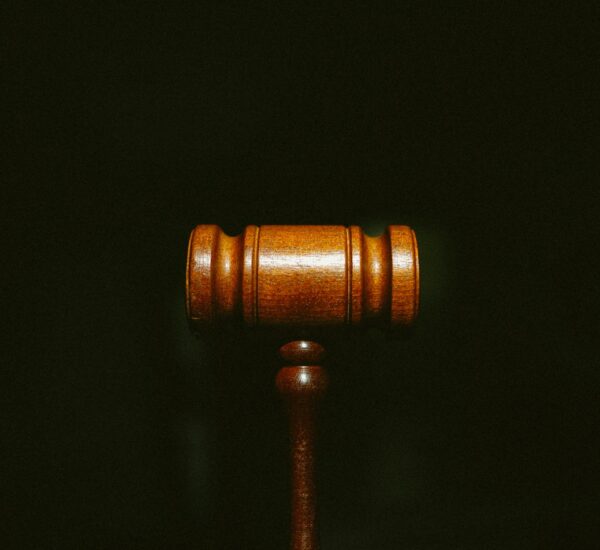
A controversial ruling by a federal judge ordering immigration authorities to release a father and his young son triggered swift backlash from conservatives, who argue the decision blurred the line between legal judgment and political activism directed at President Trump’s immigration enforcement policies.
The order was issued by Fred Biery, a Clinton-appointed judge, who directed federal officials to release Adrian Conejo Arias and his five-year-old son, Liam. In unusually charged language, the judge accused the Trump administration of acting with cruelty and pursuing what he described as unchecked power — language critics say is more common in opinion columns than court filings.
Biery’s order was brief but striking. He claimed the father and child were seeking only basic due process, while also including a Bible verse referencing Jesus weeping and citing a widely circulated photograph of the young boy wearing a backpack. Republicans and legal analysts quickly questioned whether such commentary belonged in a federal ruling.
Reaction from Capitol Hill was immediate. Mike Lee, a Republican senator from Utah, publicly criticized the decision and suggested it should be added to a growing list of judicial actions warranting closer congressional scrutiny.
“This ruling reads less like law and more like activism,” Lee wrote, urging House Republicans to take action.
Immigration policy experts echoed those concerns. Center for Immigration Studies law and policy fellow Andrew Arthur described the order as highly unusual and disconnected from established legal standards.
Former Justice Department official Chad Mizelle, who previously served as chief of staff to Attorney General Pam Bondi, said he initially believed the ruling was satire. He later warned that decisions like this reinforce conservative concerns that segments of the federal judiciary are no longer acting as neutral arbiters.
Fox News political analyst Guy Benson also criticized the ruling, calling it an example of judicial overreach. His comments were later shared publicly by Tricia McLaughlin, a Department of Homeland Security spokeswoman.
Additional scrutiny followed after observers noticed the judge dated the order as “February 31st,” a nonexistent date. While some dismissed the error as clerical, others noted that technical precision typically matters in federal court filings.
Beyond procedural issues, critics argue the ruling relied heavily on broad political commentary while offering limited analysis of the specific facts of the case. Biery accused the Trump administration of ignoring foundational American principles and suggested deportation enforcement was driven by rigid quotas — claims administration officials and supporters strongly dispute.
The family’s attorney, Marc Prokosch, said the father and son entered the United States in 2024 through a Texas port of entry using the Biden-era CBP One app, a controversial program that conservatives argue weakened border enforcement by accelerating asylum processing.
According to Prokosch, immigration authorities detained the pair in January and transferred them from Minnesota to a Texas processing center despite their pending claims. Advocacy groups later circulated the child’s photo widely, framing the case as symbolic of what they describe as excessive enforcement — a portrayal conservatives reject given the administration’s sharp reduction in illegal border crossings.
A separate analysis by Politico acknowledged that illegal immigration has fallen significantly under President Trump, even as it highlighted opposition from some federal judges to the administration’s aggressive enforcement strategy.
Ultimately, Joaquin Castro, a Democratic congressman from Texas, confirmed that federal authorities complied with the judge’s order and returned the family to Minnesota. The case, however, remains active — and conservatives say it underscores growing concerns about judicial accountability as immigration and executive authority become defining issues ahead of the next election.
It’s time to remove all these corrupt democrat judges and put them in prison for obstruction and fraud. These asshole judges are not following the laws and constitution they became lapdogs for the democrats and need their ballsacks nailed to a stump and pushed over backwards.