This was surprising to see.
Former Rep. Marjorie Taylor Greene publicly defended the federal arrest of former CNN host Don Lemon, arguing that his actions during an anti-ICE protest crossed the line from journalism into political activism.
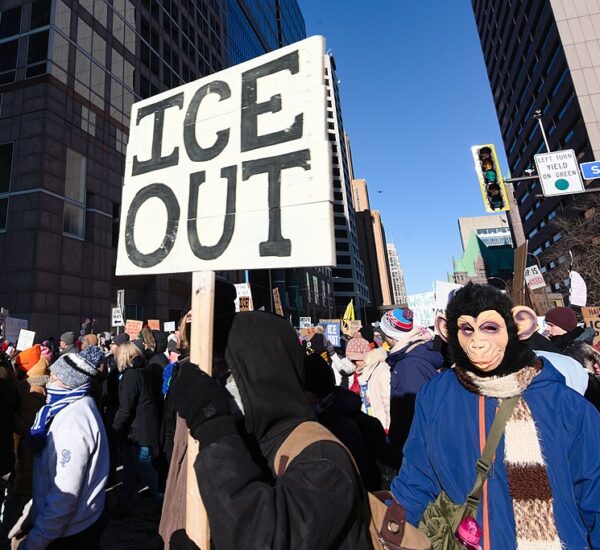
Lemon was arrested Friday by federal authorities following his involvement in a protest that disrupted a church service at St. Paul’s Cities Church. The demonstration reportedly targeted the church over allegations that its pastor had cooperated with Immigration and Customs Enforcement.
According to federal officials, Lemon faces civil-rights-related charges, including allegations of conspiring to interfere with religious worship and depriving individuals of their right to freely practice their faith. He was released without bond and is scheduled to appear in federal court in Minneapolis on Feb. 9.
Greene addressed the case during an appearance on HBO’s Real Time with Bill Maher, where she rejected claims that the arrest amounted to an attack on press freedom.
“I don’t believe that was journalism,” Greene said. “Disrupting a church service is not protected activity.”
Host Bill Maher questioned whether arresting a media figure was appropriate, but Greene countered by citing federal laws that protect religious exercise and places of worship from disruption.
Greene argued that Lemon actively participated in the protest rather than merely observing it, stating that congregants—including children—were visibly distressed during the incident.
Another panelist, Joe Scarborough, disagreed with Greene’s assessment, suggesting that Lemon’s actions could fall under aggressive reporting. Scarborough also suggested the arrest could have a chilling effect on journalists, claiming it was intended to discourage future media coverage under the Donald Trump administration.
Lemon later addressed the controversy during a podcast appearance, explaining that his producers encouraged him to take a prominent role in covering the protests. He accused critics of singling him out for political reasons and dismissed backlash as partisan outrage.
Federal authorities, however, emphasized that the case centers on conduct inside a place of worship rather than speech or viewpoint, noting that the charges relate specifically to actions that allegedly interfered with a religious service.
For Greene and many conservatives, the case underscores a broader debate over media accountability, religious freedom, and whether journalists who actively participate in political demonstrations should be treated differently under the law.