Americans Reveal Their Top Concerns
Rising health care costs have become the number one financial concern for Americans — outranking groceries, utilities, housing, and gasoline — according to a new national poll released Thursday.
The survey, conducted by the Kaiser Family Foundation in mid-January, found that nearly two-thirds of adults are more worried about paying for medical care than covering everyday household necessities. For many families, health expenses now feel less predictable — and less controllable — than almost any other bill.
More than half of respondents said their health insurance premiums increased over the past year. Even more concerning, most expect those costs to climb again in the coming months, adding pressure to already-tight household budgets.
One in five Americans reported that their medical expenses are rising faster than food and utility prices, a troubling sign for retirees and fixed-income households who have limited flexibility to absorb new costs.
Health Care Anxiety Crosses Party Lines
Despite deep political divisions, concern about health care affordability appears broadly shared. Majorities of Democrats, independents, and Republicans all said they are worried about paying for insurance coverage and out-of-pocket expenses such as doctor visits and prescription medications.
While Democrats expressed the highest level of concern, more than half of Republicans also acknowledged that health care costs are becoming harder to manage — particularly for older Americans and seniors.
Subsidy Expiration Adds New Pressure
The growing anxiety follows Congress’s failure to extend Affordable Care Act subsidies that expired on January 1. Without the additional funding, analysts estimate that out-of-pocket insurance costs could double for some Americans, potentially pushing more than one million people to drop coverage altogether.
Democrats and independents overwhelmingly said Congress made the “wrong decision” by allowing the subsidies to expire. Republicans, however, largely supported the move, arguing that continued subsidies would add to federal spending and long-term debt.
For many voters, the issue is not theoretical. Large numbers said the loss of subsidies could directly affect their personal finances in the year ahead.
Health Care Looms Large Ahead of Midterms
As the 2026 midterm elections approach, health care is emerging as a key voting issue. Roughly two-thirds of Democratic voters and more than 40 percent of independents said health care costs will play a major role in how they vote.
About half of Republican voters said rising medical costs could influence their decision — particularly when it comes to affordability, prescription drugs, and Medicare policy.
Trump Earns Credit on Prescription Drug Prices
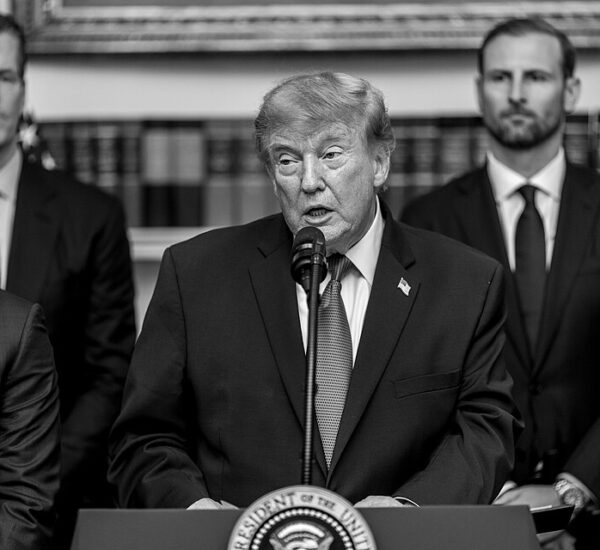
On health care overall, Democrats hold a polling advantage. However, Republicans close the gap — and even outperform Democrats — on prescription drug pricing, an area where voters credit President Donald Trump with taking action.
Under Trump, the Medicare drug price negotiation program was continued, allowing the federal government to negotiate directly with pharmaceutical companies. In December, nine major drug manufacturers agreed to lower prices under the program.
Trump said the move marked an unprecedented breakthrough for lowering costs for patients across the U.S. health care system.
Trust on prescription drug pricing remains closely divided, with voters nearly evenly split between Republicans and Democrats — and many saying they trust neither party fully.
Voters Skeptical Washington Can Fix Cost-of-Living Crisis
Across party lines, Americans expressed low confidence in Washington to address the broader cost-of-living crisis. Many respondents said they do not trust Democrats, Republicans, or even the White House to meaningfully reduce everyday expenses.
For older Americans, especially those on fixed incomes, the concern is clear: health care costs feel increasingly out of control — and relief remains uncertain.