Trump has successfully lowered the temperature.
President Donald Trump is making a strategic adjustment on immigration enforcement that Republicans believe could help the party regain momentum with Hispanic voters ahead of the upcoming midterm elections.
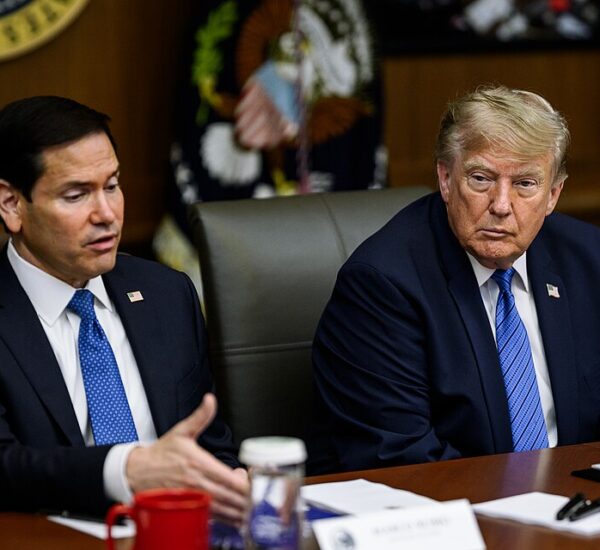
This week, Trump moved to place veteran border official Tom Homan in charge of immigration operations in Minnesota, replacing Border Patrol commander Gregory Bovino. GOP leaders say the decision reflects a renewed focus on restoring order at the border while avoiding unnecessary political fallout in key states.
The change comes as Republicans weigh concerns that overly aggressive enforcement tactics could weaken the historic gains Trump made with Hispanic voters in recent election cycles.
According to party officials, the move is not about retreating from border security—but about refining it.
Trump has signaled that Homan’s leadership will prioritize targeting serious criminals and repeat offenders, while reducing confusion and tension surrounding enforcement efforts in the North Star State. The shift follows a period of heightened attention on immigration operations in Minnesota, where recent incidents intensified public scrutiny.
Republican lawmakers say the message is simple: border security can be firm, lawful, and focused—without alienating voters who support legal immigration.
Florida Rep. Mario Diaz-Balart said that approach is essential to keeping broad public support.
“Going after the worst criminals first is something Americans agree on,” Diaz-Balart said. “That includes Hispanic voters.”
He warned that if enforcement appears unfocused or unfair, public confidence erodes quickly—not just among Hispanic communities, but nationwide.
When asked whether placing Homan in charge could ease concerns about recent enforcement operations, Diaz-Balart said he hopes the change will bring clarity and balance.
Recent polling has added urgency to the discussion. A Daily Mail/J.L. Partners survey released this week found that a narrow majority of Latino respondents expressed disapproval of the Trump administration’s immigration policies. Views on Immigration and Customs Enforcement were also mixed, with concerns focusing more on execution than on border security itself.
Republican National Committee Hispanic outreach director Jaime Florez urged caution in overreacting to the numbers.
“Hispanic voters want immigration handled in a legal, organized, and responsible way,” Florez said. “That didn’t happen during the Biden years.”
Florez argued that many voters recognize the current administration inherited a broken system and is now working to repair it.
“Someone has to fix the mess,” he said. “And that’s what’s happening now.”
He acknowledged that not every voter agrees with how enforcement has been carried out, but said the administration is already making adjustments—including leadership changes—to address those concerns.
As the midterm elections approach, Florez predicted Hispanic voters will increasingly notice that concrete solutions are being implemented rather than ignored.
Still, some Republicans remain uneasy. Florida Rep. Maria Elvira Salazar has repeatedly warned that the GOP risks losing Hispanic support if messaging and policy adjustments are not handled carefully.
Others have blamed internal figures or advisers for communication missteps, though party leaders have pushed back against singling out individuals.
“This is a large administration working to undo years of failed policies,” Florez said. “Blaming one person misses the bigger picture.”
Despite internal debate, GOP strategists believe Trump’s decision to put Homan in charge sends a clear signal to voters who want border enforcement that is tough, fair, and effective.
Republicans close to the campaign say that combination—not slogans or polling headlines—will ultimately determine whether Trump’s coalition continues to grow.