Republican Says US Lacks Authority
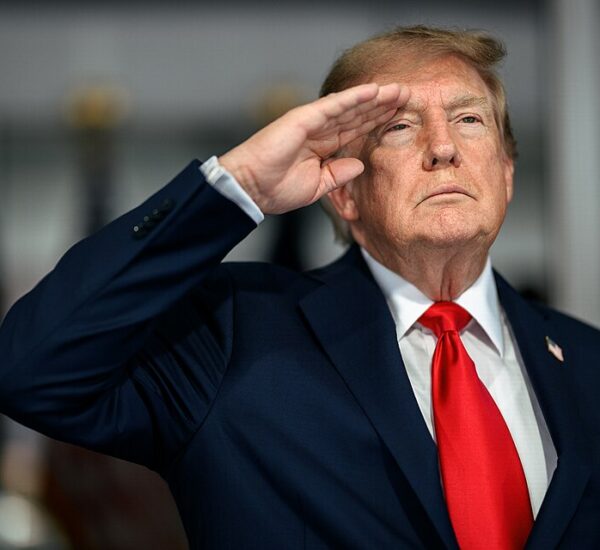
Concerns over America’s role in the Arctic are resurfacing as debate grows around President Donald Trump’s comments regarding Greenland and U.S. national security interests in the region.
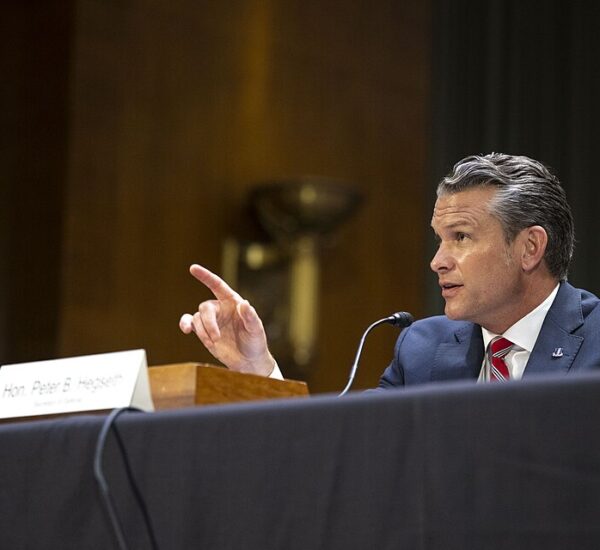
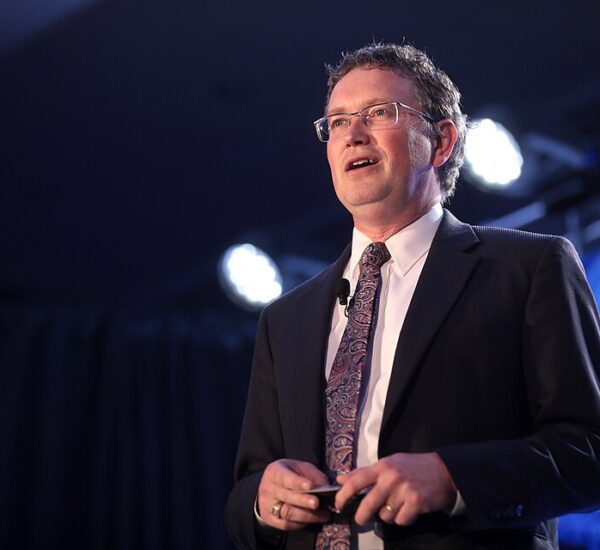
Rep. Mike Turner, a senior Republican lawmaker and chairman of the House Intelligence Committee, acknowledged Sunday that Greenland holds clear strategic importance—but emphasized that constitutional limits still apply to presidential action.
Speaking on Face the Nation, Turner said the Arctic has become an increasingly contested region as global competitors expand their military and economic footprint.
“There are real national security considerations involving Greenland and the broader Arctic,” Turner explained, citing growing activity from Russia and China. “That reality is not in dispute.”
However, Turner cautioned that security concerns alone do not grant unilateral authority to use military force or compel territorial changes involving a NATO ally. He warned that careless rhetoric could strain long-standing alliances.
President Donald Trump has argued that Greenland’s strategic location is critical to NATO defense, noting that the United States provides the backbone of the alliance’s security capabilities. Trump has also emphasized that Arctic access plays a growing role in countering foreign military expansion.
Turner also addressed the issue of trade authority, expressing skepticism that tariffs could legally be used as leverage to pressure another nation into transferring territory.
Even as the administration continues to rely on tariffs to rebalance global trade and protect U.S. economic interests, Turner suggested that existing law may not support using those tools for territorial negotiations.
The Supreme Court has not yet ruled on the full scope of presidential tariff authority, leaving key legal questions unresolved.
While emphasizing respect for the presidency, Turner stressed that constitutional checks and balances remain essential.
“Engagement is appropriate,” he said, “but wanting something does not automatically translate into legal authority.”
Turner also noted that U.S. interest in Greenland is not unprecedented. Discussions about Greenland have occurred multiple times since the 1800s, and the United States has maintained a military presence there under a 1951 defense agreement.
Still, Turner underscored that Greenland’s future ultimately belongs to its people.
“America stands for democracy, self-determination, and respect for sovereignty,” he said. “Any long-term decision must come from Greenlanders themselves.”
Referencing Trump’s reputation for deal-making, Turner suggested that diplomacy—not pressure—should guide discussions with allies.
“This isn’t about forcing outcomes,” he said. “It’s about partnership, trust, and mutual benefit.”
The renewed debate highlights the growing importance of the Arctic in global security—and the constitutional boundaries that continue to shape U.S. foreign policy.