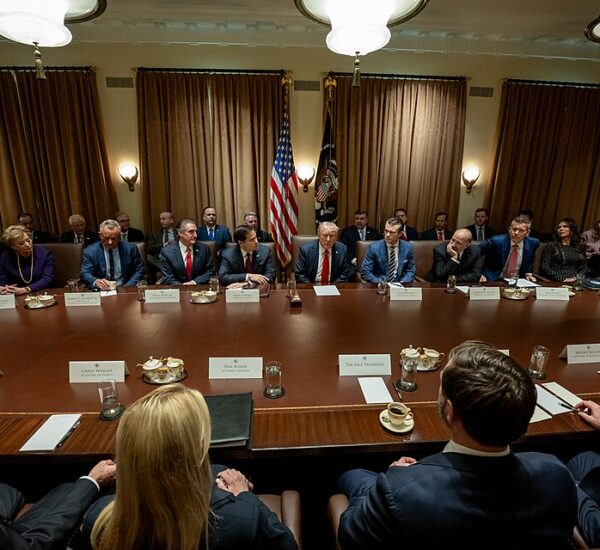
GOP Flips On Trump’s New Demand
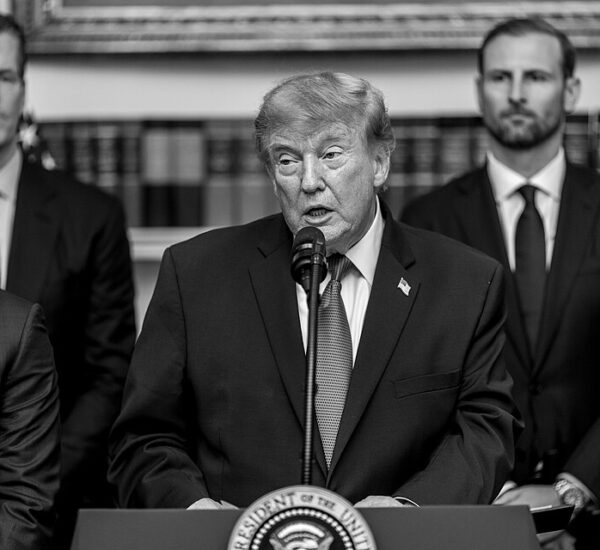
President Donald Trump has floated a proposal to temporarily cap credit card interest rates at 10 percent, arguing it could offer short-term relief to American families struggling with rising costs.
However, many Republicans in Congress are pushing back, warning that government-imposed price controls — even for a limited time — could disrupt lending markets and ultimately make credit harder to obtain.
Currently, the average credit card interest rate hovers around 20 percent, with some consumers paying significantly more depending on their credit profile.
GOP Lawmakers Warn of Unintended Consequences
Several Republican lawmakers say they respect the president’s intentions but believe the proposal risks interfering with free-market competition.
Rep. Rich McCormick has cautioned that federal intervention often leads to secondary effects that may not be immediately obvious, particularly in complex financial markets.
Other lawmakers argue that competition among lenders — not government mandates — is what historically keeps borrowing costs in check.
Rep. Eric Burlison, a member of the House Freedom Caucus, has expressed concern that strict interest caps could result in tighter lending standards, making it more difficult for working families and retirees to qualify for credit when they need it most.
Credit Industry Flags Lending Risks
The American Financial Services Association, which represents consumer lenders nationwide, has also warned that interest rates reflect risk.
According to the group, if lenders are unable to price loans based on risk, many may reduce credit availability altogether — particularly for borrowers with limited or fixed incomes.
That could leave millions of Americans with fewer financial options during emergencies.
House Leadership Urges Careful Review
House Speaker Mike Johnson has said the proposal warrants discussion but emphasized the need for careful evaluation.
Johnson noted that policies designed to reduce costs can sometimes lead to reduced access, including lower credit limits or fewer lending options for consumers.
Democrats Express Interest, Republicans Remain Divided
While many Republicans remain skeptical, several Democrats have indicated they are open to exploring the proposal.
Past legislation introduced by Rep. Alexandria Ocasio-Cortez, Rep. Anna Paulina Luna, Sen. Bernie Sanders, and Sen. Josh Hawley sought similar interest rate caps but failed to gain lasting momentum.
Some Democrats say they are willing to review Trump’s proposal if it offers meaningful relief to families facing mounting household debt.
Senate Resistance Could Stall the Plan
In the Senate, skepticism remains strong. Senate Majority Leader John Thune has warned that sweeping interest caps could significantly reduce access to revolving credit nationwide.
Other senators have argued that overly strict limits could effectively turn credit cards into debit-style products, limiting flexibility for consumers.
What Comes Next
With opposition inside Trump’s own party and concerns from the financial industry, the proposal faces a challenging path forward.
The debate highlights a broader tension within the Republican Party — balancing short-term cost relief for consumers with long-term free-market principles that many conservatives view as essential to economic stability.