Trump Bans Big Oil Company From Venezuela?
President Donald Trump suggested Sunday that oil giant Exxon Mobil could be excluded from future Venezuela energy agreements, following what he viewed as a lukewarm and overly cautious response from the company’s leadership.
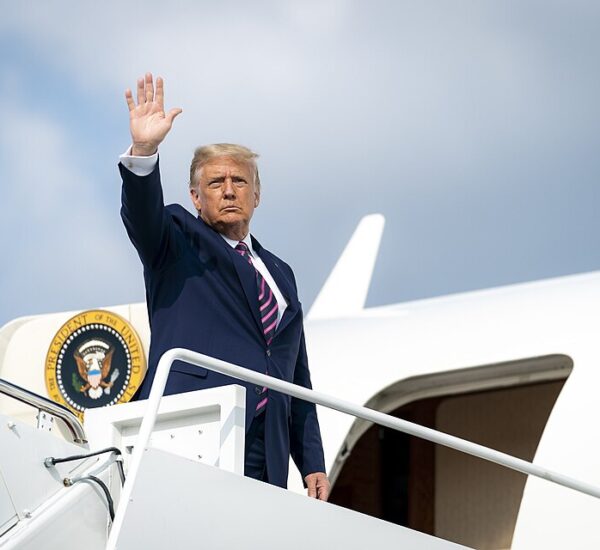
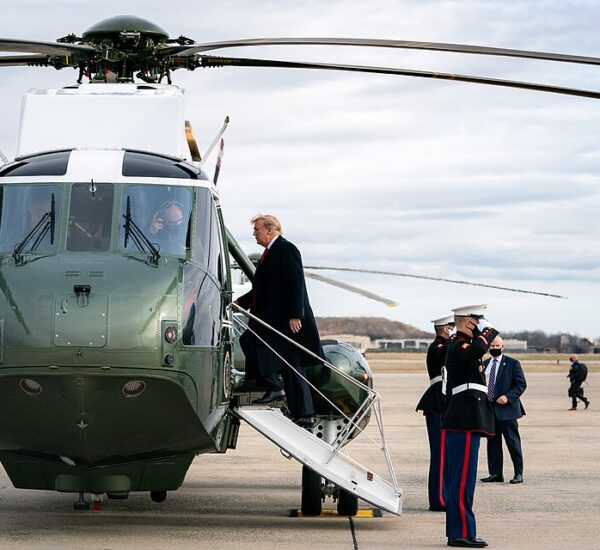
Speaking with reporters aboard Air Force One while traveling back to Washington, Trump said he was unimpressed by Exxon’s position and questioned whether the company was fully aligned with U.S. economic priorities.
Trump said he would likely consider excluding Exxon, adding that he was unhappy with the company’s reaction and felt it was being overly cautious.
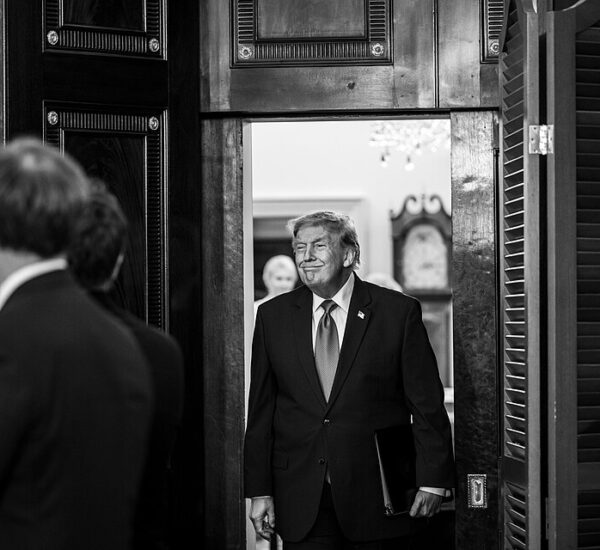
The comments come just days after Trump hosted executives from several major American energy companies at the White House. The meeting focused on potential oil development in Venezuela as part of broader U.S. efforts to stabilize the country and re-open its massive energy sector under a new political framework.
While multiple companies reportedly expressed interest in returning to Venezuela’s oil fields, Exxon took a notably more reserved stance.
Exxon CEO Darren Woods acknowledged that Venezuela holds some of the largest proven oil reserves in the world, but raised concerns about the country’s legal and commercial environment.
He described Venezuela as “uninvestable” under current conditions, citing the need for significant reforms to property rights, contracts, and the legal system before major capital commitments could be justified.
Exxon previously operated in Venezuela alongside ConocoPhillips, but both companies exited in 2007 following government takeovers and contract disputes. Today, Chevron remains the only U.S. oil firm still operating in the country.
Despite his skepticism, Woods stopped short of ruling out future involvement. He said Exxon would need to send technical experts to assess infrastructure, production capacity, and security conditions before reconsidering an investment.
According to Woods, Exxon’s global capabilities—from drilling and refining to shipping and trading—could eventually help bring Venezuelan crude back to international markets, provided the country adopts reliable legal protections and economic reforms.
For Trump, however, the issue appears to be about more than oil. The president has repeatedly emphasized that companies benefiting from U.S. diplomatic and strategic efforts must be willing to fully participate in rebuilding friendly energy partnerships.
His comments signal that firms unwilling to commit decisively could find themselves sidelined as the administration reshapes America’s influence in the Western Hemisphere and seeks to strengthen domestic energy security.