Trump’s Vision Divides Congress
The Trump administration has begun outlining its long-term approach to Venezuela, signaling a strategy focused on curbing drug trafficking, restoring economic stability, reopening the country’s energy sector, and eventually moving toward democratic elections.
Republicans say the plan reflects a measured effort to stabilize a nation damaged by decades of corruption and failed socialist policies. Democrats, meanwhile, argue the administration has not yet shared enough details publicly.
The debate unfolded following a classified briefing for members of Congress, where senior administration officials discussed what lies ahead for the South American nation.
Republicans Urge Patience, Democrats Press for Details
After the briefing, Senate Minority Leader Chuck Schumer questioned how long U.S. involvement could last and what guardrails would be in place regarding costs and resources.
Republican lawmakers pushed back, saying rebuilding a country after years of mismanagement requires time and careful planning.
Sen. Markwayne Mullin of Oklahoma told reporters that Venezuela’s democratic institutions have been deteriorating for more than two decades and cannot be restored overnight.
“There is a full plan in place,” Mullin said, rejecting claims that the administration lacks direction.
Three-Phase Framework Explained to Lawmakers
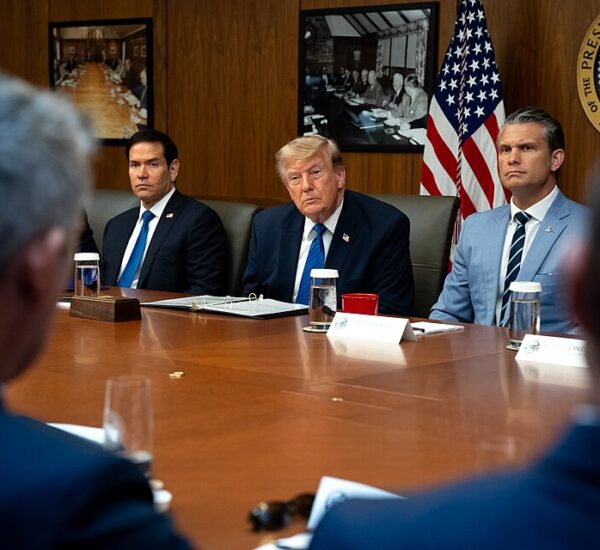
According to officials familiar with the discussion, Secretary of State Marco Rubio described a three-phase framework during the closed-door briefing, joined by Defense Secretary Pete Hegseth.
Phase one centers on securing and selling tens of millions of barrels of Venezuelan oil on the global market. U.S. officials would oversee how proceeds are distributed, with the stated goal of ensuring funds benefit everyday Venezuelans rather than corrupt political elites.
Phase two would open Venezuela’s oil and energy markets to American and allied companies, restoring access that was lost when the industry was nationalized under socialist leadership years ago.
Phase three, officials said, would involve a political transition toward a new government and eventual national elections once stability is restored.
Energy Leverage Seen as Key Pressure Point
Republican lawmakers emphasized that Venezuela’s oil reserves remain its primary economic lifeline.
Sen. Tim Sheehy of Montana, a former Navy SEAL, described the situation as complex but manageable, saying leverage over energy production gives the U.S. significant influence.
“This was never going to be instant,” Sheehy said. “We’re at the beginning of a longer process.”
President Trump has also suggested that American energy companies forced out of Venezuela years ago could be compensated for helping rebuild the country’s damaged infrastructure, either through future oil revenues or other arrangements.
Questions Remain About Political Transition
Some lawmakers raised concerns about how quickly power should be transferred to opposition leaders, while others cautioned against rushing decisions that could destabilize the country further.
Rep. Don Bacon of Nebraska praised the operation that led to Nicolás Maduro’s removal, calling it a carefully planned mission, but noted that long-term success will depend on what follows.
Democrats argued the administration should immediately elevate opposition leaders who claimed victory in previous elections. Republicans countered that premature political moves could undo progress on security and economic recovery.
Next Steps Under Review
The State Department is reportedly preparing plans for a potential reopening of the U.S. Embassy in Caracas, pending final approval from President Trump.
While lawmakers continue to debate the pace and structure of the transition, Republicans say the administration’s focus on security, energy independence, and long-term stability gives Venezuela its best opportunity to recover after years of decline.