Trump Delays New Tariff
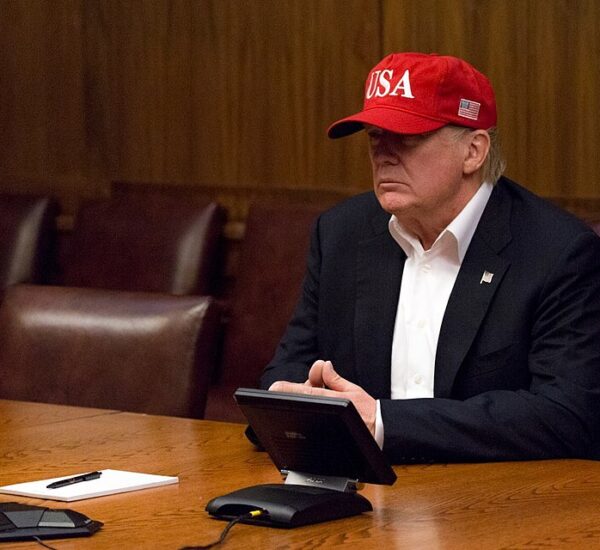
President Donald Trump signed a proclamation Wednesday delaying scheduled tariff increases on imported household goods, including upholstered furniture, kitchen cabinets, and bathroom vanities. The move postpones the higher tariff rates for one year.
The White House said the decision was made to allow additional time for ongoing trade negotiations involving wood-based imports. Officials described the talks as productive and said the temporary pause is intended to support continued discussions with foreign trading partners while protecting U.S. economic interests.
Under existing policy, the affected products remain subject to a 25 percent tariff. Those rates had been scheduled to rise beginning January 1. Kitchen cabinets and vanities were expected to face tariffs of up to 50 percent starting in 2026, while upholstered furniture was set to increase to 30 percent. Wednesday’s action delays those increases until at least next year.
The tariff hikes were first announced in a September proclamation, when President Trump cited concerns related to national security, supply chain stability, and America’s long-term manufacturing capacity.
Since returning to office, Trump has used tariffs as a central part of his broader trade and economic strategy. While some planned levies have been delayed or adjusted, the White House argues that flexibility is necessary to secure better trade terms while avoiding unnecessary short-term economic disruption.
Some critics claim the tariff delays signal inconsistency. Others warn that prolonged trade disputes could impact prices or disrupt global supply chains. However, administration officials say the adjustments reflect strategic decision-making rather than retreat.
Supporters of the policy point to strong economic performance as evidence the approach is working. The U.S. economy expanded at an annualized rate of 4.3 percent in the third quarter of 2025, a level that outpaced many global competitors.
President Trump has repeatedly credited tariffs for strengthening domestic production, limiting inflationary pressures, and reinforcing national security. In a recent post on Truth Social, he said tariffs have played a major role in improving economic conditions while helping protect American workers and industries.
As negotiations continue, the White House says its focus remains on maintaining economic growth, keeping inflation under control, and ensuring the United States retains leverage in future trade agreements.