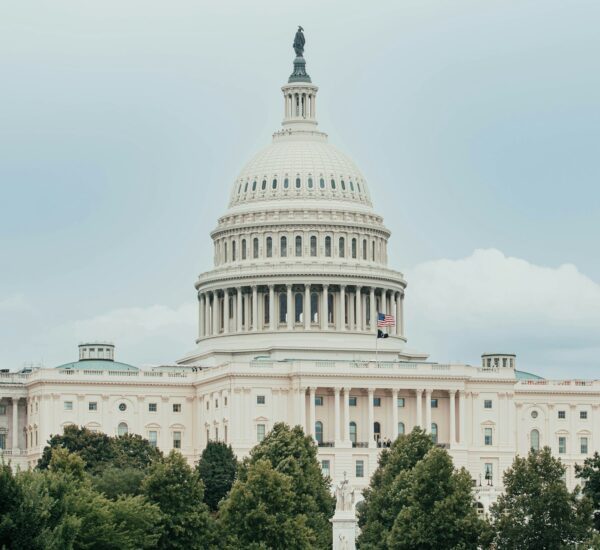
A major healthcare deadline has quietly passed — and the consequences could soon hit millions of American families in their wallets.
After months of political infighting and stalled negotiations in Washington, enhanced Affordable Care Act premium subsidies officially expired at the end of 2025. Congress left town without a deal, triggering what many experts are calling a looming healthcare cost crisis.
Now, as 2026 begins, higher premiums, coverage losses, and renewed uncertainty are already becoming reality.
A deadline Congress failed to meet
The enhanced tax credits were originally created during the COVID pandemic and later extended under the Biden administration. Lawmakers had until December 31, 2025, to renew them.
That deadline came and went.
Despite months of debate, Congress adjourned for the holidays on December 19 without an agreement, leaving millions of Americans exposed just as enrollment deadlines arrived.
Health policy analysts had warned repeatedly that allowing the subsidies to expire would mean higher premiums and fewer insured Americans. Those warnings are now playing out.
The cutoff for coverage starting January 1, 2026, passed on December 15. Americans can still enroll through January 15 for plans beginning February 1 — but many are discovering prices far higher than expected.
How subsidies drove record enrollment
The expanded tax credits played a major role in pushing Obamacare enrollment to record highs during the past four years. By 2025, nearly 24 million Americans were enrolled in marketplace plans.
Lower monthly premiums — sometimes reduced to zero — made coverage appealing, especially after eligibility expanded to middle-income households earning well above the poverty line.
With those subsidies gone, analysts now expect uninsured rates to climb in 2026 — even if Congress eventually steps in.
Younger adults are projected to see the biggest jump in uninsured rates. Middle-income Americans are also expected to be hit hardest, as they no longer qualify for meaningful assistance but still face rising healthcare costs.
Premium shock hits families nationwide
Because Congress failed to act in time, insurers priced 2026 plans assuming the subsidies would disappear.
The result: sticker shock.
Average ACA premiums are projected to rise roughly 26 percent nationwide, with even higher increases in states using the federal Healthcare.gov system.
According to estimates from health policy researchers, annual premium costs for many families could more than double — adding over $1,000 per year in some cases.
Experts estimate that between 2.2 million and 7.3 million Americans may drop coverage altogether due to the sudden cost increase.
Early data already shows major declines:
- California reported new enrollments down more than 30 percent
- Massachusetts saw tens of thousands opt out
- Mississippi could lose roughly 200,000 ACA enrollees in 2026
Premium hikes are also uneven across states. Arkansas is projected to see the largest increase — nearly 70 percent for benchmark plans. Washington, Tennessee, and Mississippi follow closely. States like New York, Vermont, Alaska, and Washington, D.C., are expected to see smaller increases.
What happens next in Washington?
Although Congress missed the critical New Year’s deadline, lawmakers could still move to limit some of the damage.
Before leaving Washington, House Speaker Mike Johnson aligned with Republicans opposing a straight extension of the COVID-era subsidies. However, a small group of House Republicans joined Democrats in backing a procedural effort to force a vote on a temporary extension.
Even if the measure passes the House, it faces resistance in the Senate. Republicans are pushing for reforms, including tighter income limits and requirements that recipients contribute at least something toward their premiums.
State health officials say reopening enrollment mid-year would be difficult — but possible. Similar adjustments were made in 2021 when subsidies were added after plans had already been priced.
Even so, marketplace leaders warn that any late action would take weeks or months to fully implement.
A growing challenge for Trump in 2026
As President Trump confronts this unfolding healthcare challenge, pressure is building on Congress to act — while millions of Americans face higher costs, fewer choices, and renewed uncertainty.
With premiums rising and coverage shrinking, the political consequences may soon follow.