President Donald Trump is sending a clear and forceful message to those who abuse animals: the federal government is no longer looking the other way.
Senior officials in the Trump administration confirmed that a coordinated, nationwide enforcement effort is now underway to crack down on dogfighting operations, illegal puppy mills, and unethical animal experimentation. The initiative brings together multiple federal agencies to ensure tougher investigations, stronger prosecutions, and real consequences for offenders.
According to administration officials, the effort involves close coordination between the Department of Justice, the Department of Agriculture, and the Department of Health and Human Services—a clear signal that animal cruelty is being treated as a serious crime, not a regulatory afterthought.
Attorney General Pam Bondi said the administration is launching a dedicated federal strike force focused exclusively on animal abuse cases, with specialized prosecutors assigned in every state.
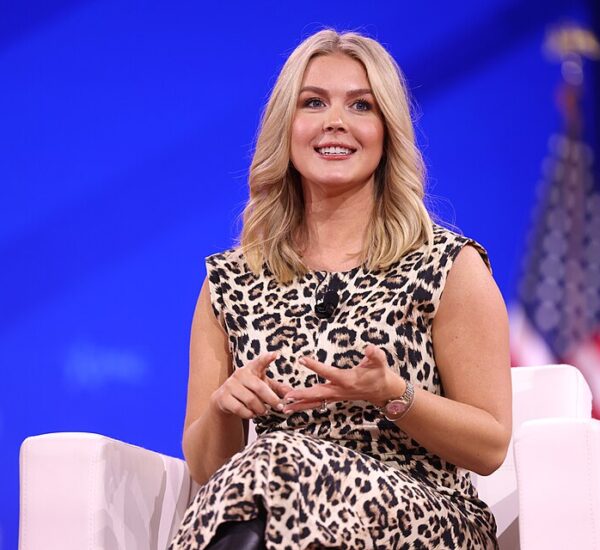
“We are forming a national strike force, and we will have designated U.S. attorneys across the country whose job is to prosecute these cases aggressively,” Bondi said during an appearance on My View with Lara Trump.
Bondi appeared alongside Agriculture Secretary Brooke Rollins and Health and Human Services Secretary Robert F. Kennedy Jr. to outline what they described as a long-overdue overhaul of federal animal welfare enforcement.
As part of the initiative, the Justice Department will now work directly with the USDA to provide specialized training for prosecutors and law enforcement officers, including how to properly investigate animal cruelty cases and execute search warrants tied to organized abuse operations.
Bondi pointed to a recent federal conviction involving dogfighting as an example of how the law is being enforced more aggressively than ever before. She also stressed that social status or celebrity will not shield offenders from accountability.
In one high-profile case, federal authorities seized 190 dogs from former NFL player LeShon Johnson, the largest single seizure tied to one defendant in an animal abuse case.
“No one is above the law,” Bondi said. “If you are harming animals, we will find you and prosecute you.”
Secretary Rollins said the USDA is also shifting its approach, moving away from routine warnings and toward strict enforcement of the Animal Welfare Act. While overall compliance has improved significantly in recent years, Rollins made clear that remaining violators are now firmly in the administration’s crosshairs.
“We are done tolerating chronic abuse and neglect,” Rollins said, emphasizing that mass-breeding operations that mistreat animals will be shut down.
Meanwhile, Kennedy said the leadership at HHS is unified in its goal of ending unnecessary animal experimentation, especially when newer technologies provide better, faster, and more reliable results for human health research.
He cited advances in computational modeling and artificial intelligence as promising alternatives that reduce harm while improving medical outcomes.
Kennedy also noted that tens of thousands of primates are currently held in research facilities nationwide, with thousands more imported annually. He said the administration is actively working to end that practice.
In a major policy shift, the National Institutes of Health recently updated its funding rules to allow research animals to be retired to sanctuaries once studies are complete—an option that did not previously exist.
“For decades, there was no alternative,” Kennedy said. “Now we’re creating pathways for these animals to live out their lives humanely.”
Kennedy said the administration views animal welfare as a reflection of national values.
“The mark of a truly humane nation,” he said, “is how it treats those who cannot defend themselves.”
Administration officials say President Trump’s warning is unmistakable: animal abuse will no longer be ignored, minimized, or quietly tolerated under his leadership.