Trump’s Gold Card Visas Rake In Big Bucks
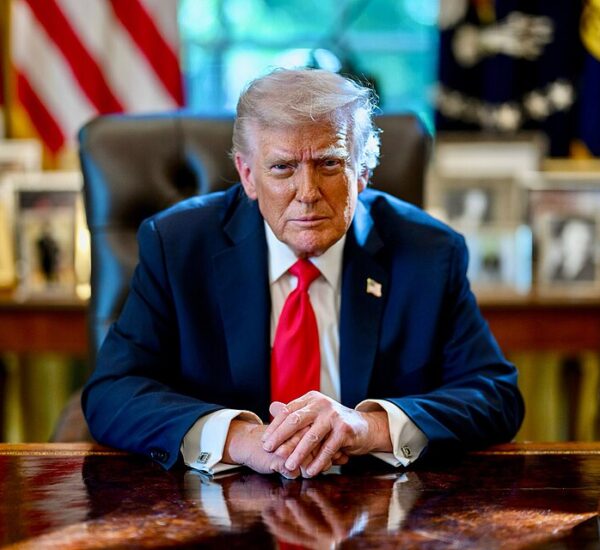
President Donald Trump announced this week that his administration’s new “Gold Card” fast-track immigration program has already generated more than $1 billion in revenue, signaling strong early demand for a high-value residency option aimed at bringing wealth, investment, and job creation into the United States.
According to senior administration officials, sales have reached approximately $1.3 billion since the online application portal launched earlier this month. Commerce Secretary Howard Lutnick confirmed the figures on Friday, as the White House highlighted the program as a new, self-funding revenue stream that does not require additional action from Congress.
Administration officials say the initiative is designed to strengthen the U.S. economy by attracting financially secure immigrants who are able to invest, spend, and contribute to American businesses and communities.
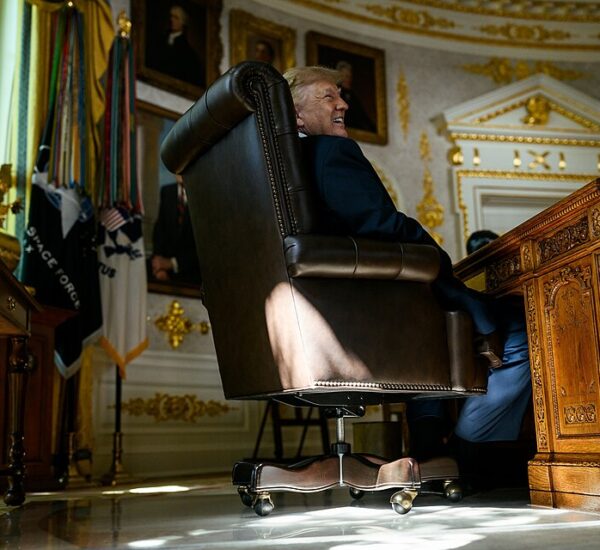
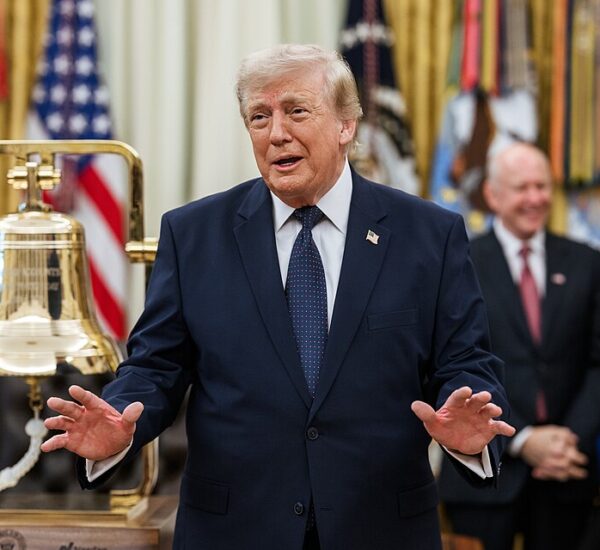
Speaking during a White House event, President Trump said proceeds from the program will flow directly into the U.S. Treasury and help reduce the national debt—an approach the administration says avoids raising taxes on working Americans.
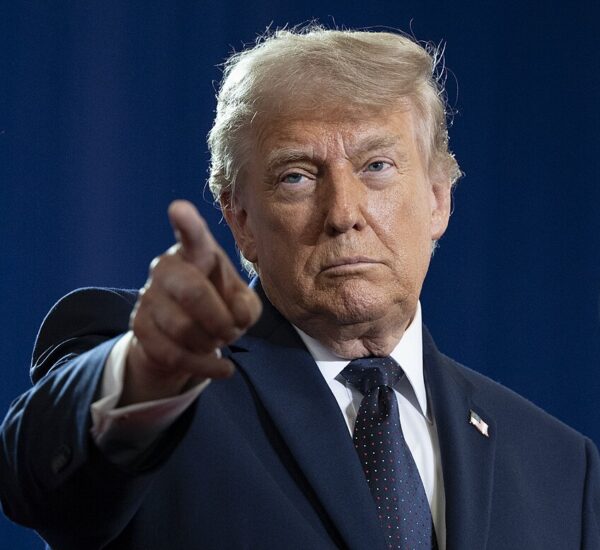
“It’s essentially a green card on steroids,” Trump said during his remarks, describing the program as a faster, more efficient alternative to existing investor visa options.
The official application site, TrumpCard.gov, went live on December 10, allowing qualified applicants to begin the process.
Commerce Secretary Lutnick emphasized that national security remains a top priority. All applicants, he said, are subject to comprehensive background checks conducted by the Department of Homeland Security and other federal agencies before any residency benefits are approved.
Under the executive order establishing the program, individuals must make an unrestricted $1 million contribution to the U.S. government to qualify for expedited residency. Corporations sponsoring foreign employees are required to contribute $2 million, reflecting the administration’s focus on ensuring the program benefits American economic interests.
Applicants are also required to pay additional mandatory fees, including a $15,000 processing fee, which officials say helps cover administrative and vetting costs.
International reporting suggests interest in the Gold Card program varies by region. In countries such as India, some potential applicants continue to explore established investor visa programs like EB-5, which have been in place for decades. However, U.S. officials say early participation shows strong global interest in the new fast-track option.
Supporters of the program argue that it creates a practical pathway for vetted, high-net-worth individuals to legally enter the United States while generating billions in revenue and stimulating economic activity. They say the funds and investments tied to the program will benefit American industries, workers, and local communities.
Critics have raised concerns that the policy favors wealthier applicants, but administration officials counter that the program maintains strict security standards and complements broader immigration enforcement efforts by prioritizing legal, regulated entry.
The Gold Card initiative is part of President Trump’s broader immigration strategy—combining tougher border enforcement with market-based solutions designed to attract global capital, strengthen the economy, and reduce federal deficits without expanding government spending or bureaucracy.