Trump Private Call Leaked
Venezuelan dictator Nicolás Maduro is insisting he had a “respectful and cordial” phone call with President Donald Trump earlier this week — a description that immediately raised eyebrows in Washington and across Latin America. Maduro made the comment in Caracas after days of speculation about quiet back-channel communication between the two governments.
Maduro Praises the Call — But the White House Stays Cautious
According to Reuters, Maduro said the call lasted only a few minutes and included talk about “future dialogue.” He repeated this narrative to local media, emphasizing “respect and cordiality,” even as tensions between socialist-run Venezuela and the United States continue to escalate.
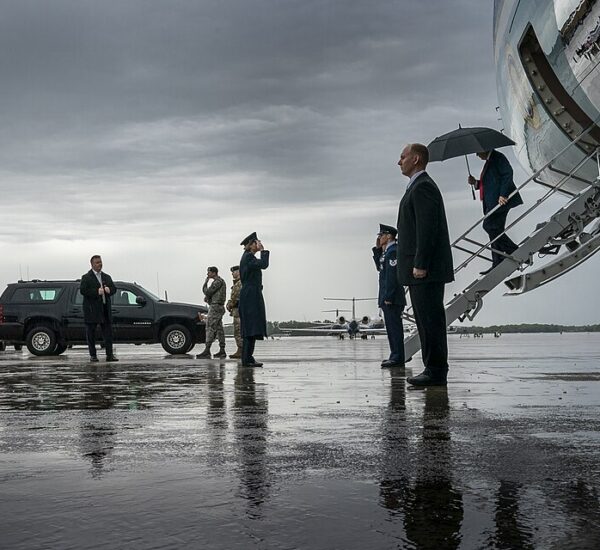
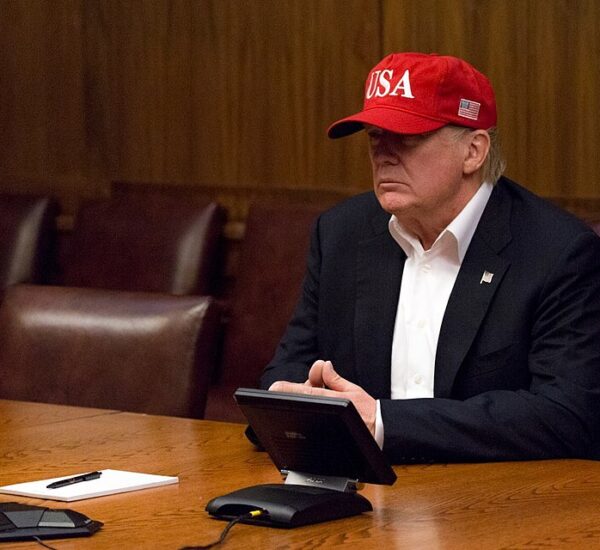
The White House confirmed the call took place, but officials did not endorse Maduro’s rosy description. President Trump, speaking aboard Air Force One, acknowledged the conversation but offered no details — a clear sign the administration is staying disciplined as it increases pressure on the Maduro regime.
Trump’s Strategy: Direct Communication + Hard Power
Senior U.S. officials say Trump’s decision to speak with Maduro is part of a broader strategy of “direct pressure and direct communication.” The goal, they say, is simple: confront a hostile socialist regime while keeping every tool of national power on the table.
According to reporting from late November, Trump even floated the idea of a potential in-person meeting — a move advisers say could strengthen America’s influence, not weaken it.
Officials emphasized that Trump’s leadership blends personal diplomacy with firm military and economic pressure, a mix they argue is already shifting the situation in Washington’s favor.
U.S. Navy and Pentagon Increase Regional Operations
Since October, the United States has escalated operations in the Caribbean as part of Trump’s crackdown on what he calls “state-protected criminal cartels” operating with the approval of the Maduro regime.
Recent actions include:
- U.S. Navy interdictions of vessels suspected of trafficking narcotics for networks tied to Venezuelan state actors.
- Pentagon strikes on boats believed to be moving weapons to armed groups in the eastern Caribbean.
- Expanded monitoring of shipping lanes long used by criminal elements operating off Venezuela’s coastline.
These operations have been widely reported and praised by security analysts who say Trump is taking long-overdue action against criminal networks that previous administrations ignored.
Congressional Pushback — And Trump’s Response
A bipartisan bloc in Congress is attempting to impose new War Powers restrictions, demanding President Trump obtain congressional approval for additional military activity in the region.
Conservative national-security experts warn that these limits could:
- Restrict America’s ability to stop cartel-linked trafficking
- Undercut U.S. deterrence
- Send the wrong signal to socialist regimes aligned with hostile foreign powers
President Trump has repeatedly stated he will not allow criminal networks operating off Venezuela’s coast to threaten American security.
Maduro’s Dramatic Reactions Reveal the Pressure He Is Feeling
Maduro has responded with loud, theatrical anger. At a November rally — sword in hand — he accused Trump of threatening Venezuela’s sovereignty and vowed to defend “every inch” of the nation. He increased military patrols around major ports and ordered higher readiness for air-defense units, moves his government framed as a response to U.S. “aggression.”
But behind the scenes, Maduro continues signaling he wants “dialogue.” In a UPI interview last month, the socialist leader insisted Venezuela “will remain at peace” and that those seeking talks “will talk face-to-face.”
U.S. officials call this sudden friendliness a tactical maneuver designed to buy time and ease international isolation.
Diplomats Say Maduro’s Mixed Messages Expose a Weak Position
Regional diplomats note the contradictions: Maduro praises the phone call with Trump while simultaneously condemning the United States in fiery speeches.
Analysts say this split message suggests:
- U.S. pressure is working
- Maduro is feeling cornered
- Trump’s strategy of strength plus controlled communication is creating cracks inside the regime
Officials argue that Maduro would not have admitted the call took place unless he felt the weight of America’s growing military and economic pressure.
Bottom Line: Trump’s Pressure Campaign Is Forcing Movement in Caracas
The emerging picture is clear: while Maduro talks publicly about “respectful dialogue,” the United States continues intensifying operations against what officials call “state-protected criminality.” And despite the socialist leader’s defiant speeches, his public praise of the call reveals just how much pressure he is under.