Trump Strikes Come To An End
For the first time in nearly two weeks, Iran reported a night without new U.S. military strikes, raising fresh questions about whether President Donald Trump is giving diplomacy one last chance before deciding on the next phase of America’s response.
The pause comes after 13 consecutive days of U.S. military operations targeting Iranian military and strategic sites, making Friday night the first quiet period since the conflict dramatically escalated.
Iranian officials confirmed that no new attacks were reported overnight, while U.S. Central Command (CENTCOM), which had released updates after every previous round of strikes, issued no announcement by Saturday morning.
The unusual silence immediately fueled speculation that the White House may be reassessing its next move.
Iran Reports Its First Quiet Night
Hossein Kermanpour, spokesman for Iran’s Health Ministry, said the country experienced its first attack-free night since the campaign began.
In a post on X, Kermanpour said casualty numbers remained virtually unchanged because no new strikes were recorded.
“Fortunately, no attack was recorded last night, and therefore the casualty statistics for the July war… did not see any significant change.”
He added that Iran had endured what he described as a peaceful evening after nearly two weeks of continuous military pressure.
Report Says Trump Chose Not to Authorize New Strikes
According to Axios, President Trump personally decided against approving another round of military attacks Friday night.
Neither the White House nor CENTCOM immediately confirmed whether the lack of military activity represented a temporary pause or the beginning of a broader shift in strategy.
For now, U.S. officials have offered no indication that military operations have formally ended.
Trump Says Military Is Ready
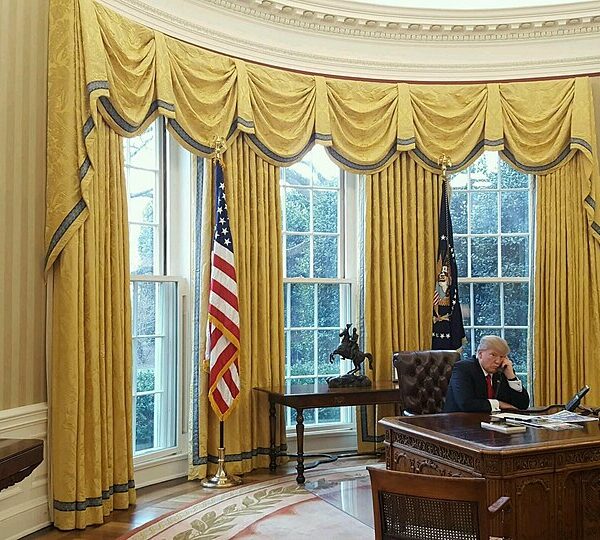
The apparent lull follows comments Trump made Friday from the Oval Office, where he emphasized that the U.S. military remains fully prepared while negotiations with Tehran continue.
“We’re locked and loaded and ready to go,” Trump said. “But we’re talking to them, so I think while we’re talking, we’ll see what comes of it.”
The president also suggested Iranian officials were becoming increasingly serious about reaching an agreement with Washington.
Trump reiterated that preventing Iran from obtaining a nuclear weapon remains his administration’s top national security priority.
He warned that Tehran faces two clear options: negotiate with the United States or face significantly stronger military action.
Why the Strikes Began
The United States has spent nearly two weeks conducting precision strikes against Iranian military and strategic targets.
Administration officials have said the campaign is designed to prevent Iran from threatening commercial shipping through the Strait of Hormuz, one of the world’s most important energy corridors and a critical route for global oil supplies.
Iran has responded throughout the conflict by launching drones and missiles at U.S. military facilities across the Middle East, increasing concerns that the fighting could spread throughout the region.
Casualties Remain Stable
Kermanpour has provided regular casualty updates throughout the conflict.
His latest report indicated there were no additional deaths or significant injuries overnight beyond the release of several previously hospitalized patients.
That marked the first time since the campaign began that Iranian officials reported no meaningful change in casualty totals.
What Happens Next?
Whether Friday night’s calm signals the beginning of serious diplomatic progress or simply a brief operational pause remains uncertain.
President Trump has made clear that military options remain on the table if negotiations fail, while Iranian leaders continue weighing their own response.
For now, the first quiet night in nearly two weeks offers a rare break in a conflict that has kept the Middle East on edge and left the world watching for what comes next.