Oil Prices Rise On Trump Again
Oil prices climbed sharply Thursday as tensions in the Middle East continued to shake global energy markets, while reports of negotiations between the United States and Iran raised the possibility of a deal that could eventually help restore more normal oil shipments through the Strait of Hormuz.
Brent crude, the international oil benchmark, rose 3.4% to settle at $106.60 per barrel. U.S. West Texas Intermediate crude gained 2.7%, closing at $94.61 per barrel.
Prices had climbed even higher earlier in the trading session before pulling back as investors reacted to reports that American and Iranian officials were discussing a possible phased agreement to reduce hostilities.
For Americans already watching gasoline, utility and transportation costs closely, the outcome of those negotiations could have consequences far beyond Wall Street.
U.S. and Iran Explore Possible Path Toward Agreement
U.S. and Iranian negotiators in New York have been discussing ways to move toward an eventual end to the nearly seven-month conflict.
One possible approach would involve a series of steps rather than one sweeping agreement.
Iran could allow greater commercial navigation through the Strait of Hormuz while the United States could ease portions of its economic blockade. Iranian officials have also sought access to frozen assets as part of broader negotiations.
No final agreement has been announced, and significant disagreements remain.
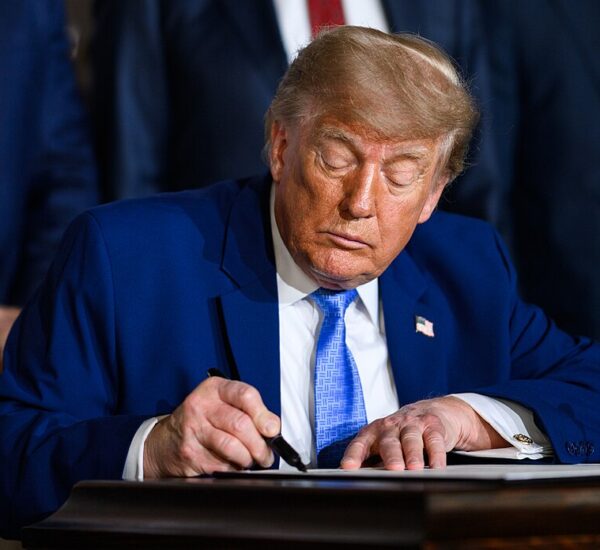
President Donald Trump said earlier this week that talks with Iran were continuing and expressed confidence that an eventual settlement could be reached.
Strait of Hormuz Remains Central to Negotiations
At the center of the dispute is the Strait of Hormuz, one of the world’s most important energy shipping routes.
The narrow waterway connects the Persian Gulf with global markets and normally handles a significant share of the world’s oil and liquefied natural gas shipments.
Months of conflict and shipping disruptions have made access to the strait a major issue for oil traders, governments and consumers.
Iran has indicated that it could reopen the waterway more fully if the United States eases military pressure and lifts its blockade on Iranian ports. Reuters reported that an Iranian delegation attending the United Nations General Assembly in New York had authority to pursue diplomatic negotiations.
Washington and Tehran still face a difficult problem: Both sides want concessions from the other before giving up their own negotiating leverage.
That could make a phased agreement more realistic than an immediate settlement.
Middle East Attack Sends Oil Prices Higher
Oil prices initially surged Thursday following another dangerous escalation in the region.
Iran-allied Houthi forces in Yemen launched missiles toward Saudi Arabia, adding to concerns that the conflict could threaten additional energy facilities and transportation routes.
Brent crude briefly climbed to approximately $108.23 per barrel before retreating from its session high.
The reaction showed how quickly global oil markets can move when fresh military developments threaten supplies.
Brent crude has risen sharply during September, while U.S. crude prices have also posted substantial monthly gains.
Trump Says Iran Deal Could Take Time
Trump has indicated that a broader agreement with Iran may not come immediately.
The president said he believes a settlement could be reached, while maintaining that preventing Iran from obtaining a nuclear weapon remains a central U.S. position.
Recent negotiations illustrate the complicated balance facing both governments.
Iran wants economic relief and fewer restrictions on its trade. The United States wants dependable passage through the Strait of Hormuz as well as concessions from Tehran on broader security issues.
Iranian officials have publicly said they are willing to discuss reopening the strait if Washington reduces military and economic pressure.
Whether those competing demands can produce a lasting agreement remains uncertain.
Why Oil Prices Matter to American Families
The fight over oil shipments in the Middle East may seem thousands of miles removed from everyday life in the United States, but Americans can feel its effects quickly.
Crude oil prices influence the cost of gasoline and diesel fuel.
Higher fuel expenses can also raise the cost of trucking, air travel, farming, manufacturing and shipping consumer products across the country.
Those additional costs can eventually show up in household budgets.
Gasoline prices have remained elevated during the Middle East conflict. CNBC reported that the national average exceeded $4 per gallon throughout August, with disruptions surrounding the Strait of Hormuz contributing to pressure on energy markets.
That is particularly important for retirees and Americans living on fixed incomes, who may have less flexibility when transportation and household expenses rise.
High Oil Prices Can Reach Beyond the Gas Pump
The economic impact does not necessarily stop when Americans fill their vehicles.
Diesel powers much of the nation’s trucking industry, meaning higher fuel costs can make it more expensive to move groceries, building materials and other products.
Energy-market turmoil can also influence inflation expectations and borrowing costs.
The Iran conflict has contributed to broader economic uncertainty, with higher energy expenses affecting consumers and businesses.
That is one reason investors are watching the U.S.-Iran negotiations so closely.
A sustained reduction in tensions could remove some of the geopolitical pressure currently built into oil prices.
Another major escalation could have the opposite effect.
Oil Market Faces Two Very Different Possibilities
Traders are now weighing two competing scenarios.
If fighting intensifies or shipping through the Strait of Hormuz becomes more difficult, concerns about oil supplies could send prices higher again.
If Washington and Tehran reach a credible agreement that allows more commercial traffic through the strait, some of that pressure could ease.
Recent market moves have demonstrated how dramatically sentiment can change based on a single military or diplomatic development.
Earlier this week, oil prices reacted to Trump’s comments about the timing of a potential peace agreement and to signals from Iran that it was willing to discuss reopening the Strait of Hormuz.
What Happens Next Could Affect Prices at Home
The next stage of negotiations could prove important for both the Middle East and the American economy.
For Washington, restoring dependable shipping through the Strait of Hormuz could help stabilize global energy markets.
For Tehran, negotiations offer a possible route toward relief from severe economic restrictions.
Neither side has announced a comprehensive agreement, and talks could still break down.
But with international oil prices remaining elevated, developments between the Trump administration and Iran will continue to attract attention from energy markets around the world.
For American households, the issue is straightforward: What happens thousands of miles away in the Strait of Hormuz can eventually influence what drivers pay at the gas pump and what families spend on everyday goods.
With oil markets already volatile, any genuine breakthrough — or another escalation — could have consequences for consumers across the United States.