NATO Trying To Win Trump Back
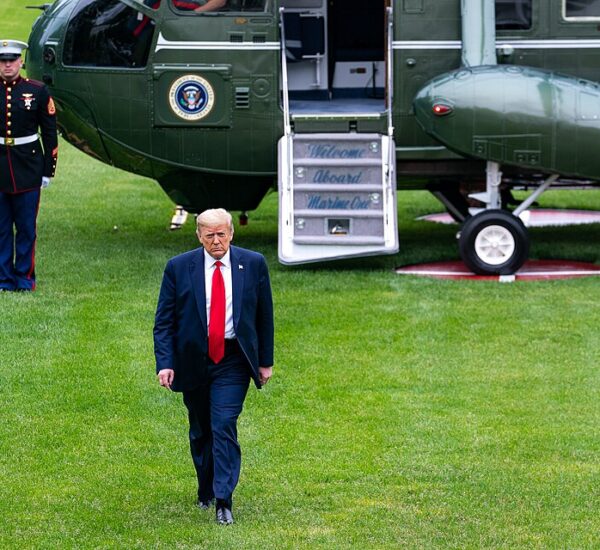
NATO leaders are gathering in Ankara, Turkey, this week for one of the alliance’s most important summits in recent years. With President Donald Trump continuing to urge European nations to strengthen their own militaries, alliance members are expected to announce billions of dollars in new defense investments while discussing the future of NATO, the war in Ukraine, and growing instability in the Middle East.
The two-day summit comes one year after NATO members agreed to work toward spending 5% of their gross domestic product (GDP) on defense. The commitment followed sustained pressure from the Trump administration, which has argued that European allies should contribute more to their own security rather than relying heavily on American taxpayers.
NATO Highlights Increased Defense Spending
NATO Secretary General Mark Rutte says alliance members have made significant progress over the past year by increasing military budgets, expanding defense production, and assuming greater responsibility for protecting Europe.
According to Rutte, the alliance is undergoing a major transformation as European nations strengthen their armed forces in response to security challenges posed by Russia and other global threats.
Officials hope this year’s summit will demonstrate that NATO countries are delivering on the commitments they made and are taking concrete steps to improve military readiness.
Billions in New Military Investments Expected
Alliance leaders are expected to unveil major defense contracts and military investments worth tens of billions of dollars during the summit. The announcements are designed to showcase expanded defense capabilities and long-term commitments to strengthening the NATO alliance.
One of the largest announcements came from Canada, which confirmed it has selected Germany’s Thyssenkrupp Marine Systems to build a new fleet of submarines. Canadian officials described the multi-billion-dollar project as part of a broader effort to deepen defense cooperation with European NATO partners.
Additional agreements involving weapons production, military modernization, and defense technology are expected throughout the gathering.
Trump Continues Calling for Greater Burden Sharing
Despite the increase in defense spending, President Trump has continued encouraging NATO allies to move more quickly in strengthening their military capabilities.
His criticism intensified following disagreements over the conflict involving Iran. Several European countries limited the use of U.S. military bases during operations in the region and chose not to fully participate in efforts to protect commercial shipping through the Strait of Hormuz.
Last week, Trump questioned whether America’s alliances remain balanced, arguing that the United States has carried too much of the responsibility for global security while expecting greater support from its partners.
For years, Trump has maintained that NATO members should invest more in their own defense and reduce their dependence on U.S. military resources.
European Leaders Seek a Unified Message
European officials hope the Ankara summit reinforces NATO unity while avoiding public disagreements that could overshadow recent progress on defense spending.
Diplomats believe Trump’s relationship with Turkish President Recep Tayyip Erdogan, along with continued outreach from NATO leadership, could help maintain a productive atmosphere throughout the meetings.
Several European governments have also discussed additional measures to improve security in the Middle East. France and Britain have explored a possible naval mission to help safeguard commercial shipping through the Strait of Hormuz, while other countries have repositioned naval assets closer to the region should conditions require further action.
However, many leaders remain cautious as they monitor ongoing diplomatic efforts between the United States and Iran before committing additional military resources.
Europe Takes a Larger Role in NATO
As Washington encourages allies to assume greater responsibility, European governments have steadily expanded their own defense capabilities.
The United States has also reduced some of the military assets routinely assigned to NATO commanders, signaling its expectation that European allies will take a larger leadership role in defending the continent.
Rutte described these developments as evidence of a significant shift within the alliance, saying Europe is becoming a stronger security partner while maintaining close cooperation with the United States.
Ukraine Remains a Top Priority
Support for Ukraine is expected to remain one of the summit’s central topics.
European nations are preparing to commit at least €70 billion (approximately $80 billion) in military assistance for Ukraine during both 2026 and 2027, reflecting Europe’s expanding role after portions of U.S. military aid were reduced.
Ukrainian President Volodymyr Zelenskyy is scheduled to attend the leaders’ dinner and is expected to hold talks with President Trump during the summit.
Following recent large-scale Russian attacks, Zelenskyy has urged NATO members to strengthen Ukraine’s air defenses and continue providing advanced military assistance.
He is also expected to encourage President Trump to maintain pressure on Vladimir Putin to return to meaningful peace negotiations while emphasizing Ukraine’s continued resistance on the battlefield.
What the Summit Means for NATO
This year’s NATO summit could prove to be a defining moment for the alliance. European nations are seeking to demonstrate that they are following through on promises to increase defense spending, strengthen military readiness, and assume greater responsibility for regional security.
For President Trump, the summit represents another opportunity to press allies on burden sharing while evaluating whether recent commitments match the goals his administration has advocated for years.
With Russia’s war in Ukraine continuing and tensions in the Middle East remaining high, the decisions made in Ankara could shape NATO’s priorities and transatlantic security cooperation for years to come.