California is preparing to scrutinize some of its wealthiest former residents if voters approve a ballot measure imposing a 5% tax on wealth exceeding $1 billion. The proposed tax would apply retroactively to individuals who were California residents as of Jan. 1, 2026, and state auditors are expected to examine whether those who relocated legitimately established residency elsewhere.
BACKGROUND
According to the Financial Times, potential audits could involve Google co-founder Sergey Brin, venture capitalist and White House adviser David Sacks, and Uber co-founder Travis Kalanick, all of whom left California after the proposed tax was introduced. The California Franchise Tax Board evaluates whether former residents truly severed ties with the state by reviewing factors such as where their children attend school, where vehicles are registered, banking relationships, and other personal connections. Tax professionals say residency disputes can become lengthy legal battles, with wealthy taxpayers expected to challenge the measure in court if it is approved. Supporters of the proposal say most of the revenue from the billionaire tax would be used to fund healthcare and education.
NY Times Fights Back Against Trump
A major legal battle is unfolding between the Justice Department and The New York Times after federal prosecutors subpoenaed several of the newspaper’s journalists as part of an investigation into classified leaks involving President Donald Trump’s new Air Force One.
The case is widely expected to become a landmark legal battle over press freedom, bringing renewed attention to the balance between national security, government transparency, and whether journalists can be required to identify confidential sources.
New York Times Seeks to Block DOJ Subpoenas
On Wednesday, The New York Times filed a motion asking a federal court to throw out the subpoenas, arguing that the Justice Department is improperly targeting journalists for their reporting.
David McCraw, the newspaper’s senior vice president and deputy general counsel, said the publication contends the subpoenas violate constitutional protections and were issued with improper motives.
According to McCraw, the newspaper intends to vigorously defend its reporters and protect their ability to report on the Trump administration without government interference.
The legal filing was submitted under seal in the U.S. District Court for the Southern District of New York after three New York Times journalists were served with federal grand jury subpoenas last Friday.
Although the newspaper initially expected five reporters to receive subpoenas, only three were ultimately served.
Investigation Centers on New Air Force One
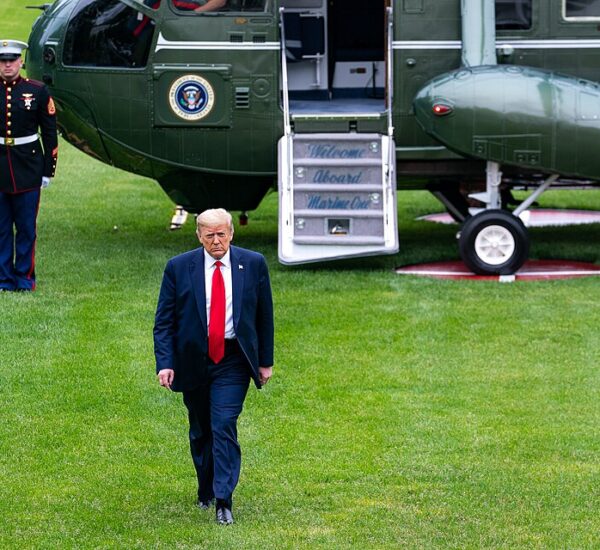
The investigation focuses on reporting surrounding the new Air Force One aircraft—a luxury jet gifted by Qatar that the Trump administration reportedly spent approximately $400 million upgrading for presidential use.
While the aircraft has officially entered service, President Trump recently chose to fly aboard an older Air Force One during his return from a NATO summit.
According to The New York Times, unnamed sources claimed the decision followed recommendations from the U.S. Secret Service because the newer aircraft allegedly lacks some of the advanced defensive systems installed on the older presidential jet, including anti-missile capabilities.
President Trump has publicly disputed that reporting, stating on social media that security concerns were not the reason for using the older aircraft.
Justice Department Says Reporters Are Not the Target
The Justice Department maintains that the investigation is aimed at identifying government officials who may have improperly disclosed classified national security information—not at prosecuting members of the media.
In a public statement, the department emphasized that it respects the important role journalists play in informing the American people while also stressing its responsibility to safeguard classified information.
Officials said the investigation is intended to determine who leaked sensitive material, not to punish reporters who published the information.
Todd Blanche Defends the Decision
Acting Attorney General Todd Blanche confirmed during his Senate confirmation hearing that he personally authorized the subpoenas.
Blanche explained that the journalists are considered material witnesses, not criminal suspects.
When Sen. Peter Welch (D-Vt.) questioned whether prosecutors intended to force reporters to reveal confidential sources, Blanche responded that investigators simply want to determine who provided classified national security information.
According to Blanche, protecting sensitive intelligence is a responsibility shared by every branch of government.
Debate Over Press Freedom Intensifies
The subpoenas have sparked criticism from press freedom advocates, who argue that compelling journalists to identify confidential sources could discourage future whistleblowers from exposing information they believe the public deserves to know.
Supporters of the Justice Department’s actions counter that unauthorized leaks of classified information can jeopardize national security and that officials entrusted with sensitive intelligence must be held accountable if they violate federal law.
The dispute highlights the ongoing challenge of balancing a free press with the government’s obligation to protect classified information.
DOJ Policy Changed Earlier This Year
The controversy follows a significant policy change implemented earlier this year.
In April 2025, Attorney General Pam Bondi rescinded a Biden-era policy that had limited prosecutors’ ability to use subpoenas, search warrants, and court orders against journalists during leak investigations.
The updated guidelines once again permit federal investigators to pursue legal action aimed at identifying government employees responsible for unauthorized disclosures of classified information.
However, Bondi’s directive also includes safeguards requiring prosecutors to provide advance notice to members of the news media whenever possible and to ensure subpoenas remain narrowly focused.
Search warrants must also include procedures designed to minimize interference with legitimate news-gathering activities.
Previous Leak Investigation Drew National Attention
The latest legal fight follows another high-profile leak investigation involving a member of the press.
Earlier this year, FBI agents executed a search of Washington Post reporter Hannah Natanson’s home during an investigation involving a Pentagon contractor suspected of improperly taking classified documents from a secure location.
Natanson, who covers the Trump administration’s efforts to reshape the federal government, was not accused of any wrongdoing.
The case nevertheless drew widespread attention from both supporters and critics of expanded leak investigations.
Why This Case Matters
The outcome of the Justice Department’s case against The New York Times could have lasting implications for future leak investigations involving classified information.
If the subpoenas are upheld, prosecutors may gain greater authority to compel journalists to testify in national security cases. If the court blocks the subpoenas, it could reinforce legal protections that news organizations rely on to shield confidential sources.
Regardless of the outcome, the case is expected to become an important test of the balance between protecting America’s national security secrets and preserving the freedom of the press guaranteed under the First Amendment.
With both sides preparing for a lengthy court fight, the decision could shape how future administrations investigate classified leaks while defining the legal boundaries between government investigators and the news media for years to come.