Biden-Era Policy Survives Trump, For Now
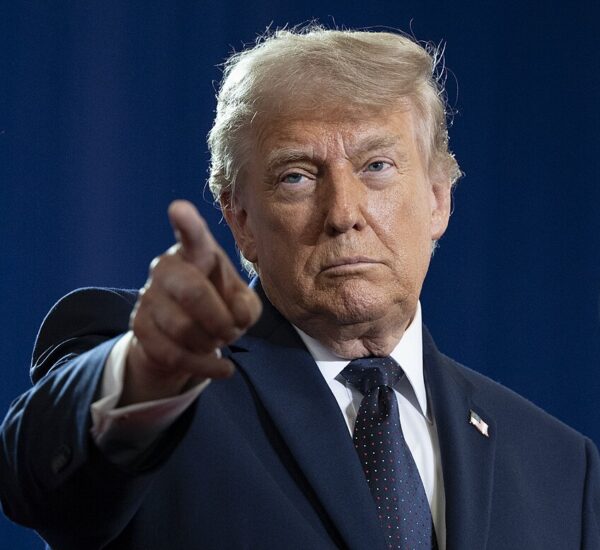
President Donald Trump has spent much of his second term working to dismantle former President Joe Biden’s climate and energy policies, but a staggering amount of federal money remains beyond the administration’s immediate reach.
More than $600 billion in Biden-era clean-energy spending reportedly remains available for federal agencies to award or recipients to spend, despite approximately 18 months of efforts by the Trump administration to unwind the previous administration’s climate agenda.
The enormous sum is putting renewed attention on government spending, taxpayer accountability, energy policy and the power of Washington to commit billions of dollars long after a president leaves office.
Trump and congressional Republicans have already eliminated hundreds of billions of dollars in clean-energy tax incentives. But canceling grants, contracts and other spending previously authorized by Congress has proven considerably more difficult.
With court battles continuing and the November elections approaching, the fight over what happens to the remaining money could become a major political issue.
Trump Rolls Back More Than $540 Billion in Green Energy Tax Breaks
Trump has already achieved one of the largest reversals of Biden’s climate agenda by eliminating more than $540 billion in clean-energy tax incentives involving electric vehicles, wind and solar power and other technologies.
Those changes came through the One Big Beautiful Bill Act and represented a major shift in federal energy policy.
Trump has repeatedly favored expanding traditional American energy production while criticizing federal policies that heavily subsidize certain renewable-energy technologies.
For fiscal conservatives, the rollback also represents a larger debate over whether Washington should use the federal tax code to encourage consumers and businesses to purchase particular vehicles or invest in favored energy technologies.
But eliminating tax incentives was relatively straightforward compared with another challenge facing the administration: money that Congress had already authorized for direct spending.
Nearly $1 Trillion in Federal Spending Was Authorized
Biden’s infrastructure law and Inflation Reduction Act authorized enormous amounts of federal spending through grants, contracts and other programs.
Nearly $1 trillion in direct federal expenditures were authorized through the legislation.
The Trump administration has attempted to eliminate approximately $60 billion of that spending, according to the analysis—only about 6% of the total.
Even some of those cancellations remain uncertain because lawsuits are challenging the administration’s authority to terminate previously approved awards.
That distinction is important.
A new Congress can change tax laws and eliminate future incentives. Canceling money that federal agencies have already promised through grants or contracts can create much more complicated legal questions.
The result is a battle involving not only energy policy but also the constitutional powers of Congress and the executive branch.
Energy Department Keeps Most Projects After Review
The Department of Energy has reviewed more than 1,900 awards approved under Biden-era programs.
Although the department has emphasized its efforts to scrutinize the previous administration’s spending, it ultimately retained or modified approximately 86% of the awards it examined.
Energy Secretary Chris Wright also told Congress this spring that his department wanted to proceed with the majority of the projects.
That may surprise Americans who expected the Trump administration to simply eliminate most of Biden’s climate-related spending.
But once federal money has been legally committed, reversing those decisions can be considerably more complicated than changing policies going forward.
Projects may involve existing contracts, private investment, state and local governments, American workers and legally binding federal commitments.
EPA Takes Tougher Approach to Biden-Era Grants
The Environmental Protection Agency has pursued a more aggressive strategy.
The EPA canceled approximately $29 billion in grants, arguing that some programs deserved greater scrutiny.
EPA spokesperson Brigit Hirsch described the targeted grants as being plagued by self-dealing and conflicts of interest.
Those allegations are disputed, however, and the administration has faced legal challenges over its attempts to terminate the money.
A federal appeals court recently restored approximately $17 billion of the funding, and the EPA has indicated that it intends to appeal.
That means billions of taxpayer dollars remain caught in an ongoing legal battle.
The outcome could establish important limits on how much authority future presidents have to cancel spending approved during earlier administrations.
More Than 1,150 Federal Awards Targeted
Across the federal government, the Trump administration has attempted to cancel more than 1,150 awards worth at least $37 billion.
Approximately $30 billion of those awards were intended for projects located in congressional districts represented by Democrats.
Congress separately rescinded another $24 billion in future funding.
One round of cancellations has become particularly controversial.
Court filings acknowledged that approximately $7.5 billion in project terminations were based solely on their location in Democratic-leaning states.
That disclosure prompted 39 Democratic senators to demand restoration of the funding.
The administration has defended its broader review of Biden-era programs as an effort to increase accountability and protect federal taxpayers.
The dispute nevertheless raises an important question: Should federal funding decisions depend on which political party controls a state or congressional district?
That issue could ultimately be decided in federal court.
White House Says Taxpayers Deserve Greater Accountability
The White House says its efforts are intended to impose stronger accountability on programs created during Biden’s presidency.
White House spokesperson Taylor Rogers said the Trump administration was strengthening accountability measures she argued had been lacking under the previous administration.
That message could appeal to Americans concerned about the national debt and the enormous growth of federal spending.
For many taxpayers, the central issue is not simply whether a particular project involves solar panels, electric vehicles or another form of energy.
The larger question is whether Washington adequately scrutinizes billions of dollars before committing taxpayer money—and whether those commitments can ever realistically be reversed.
Democrats and supporters of the programs argue that Congress legally approved the funding and that canceling projects after money has been awarded could harm businesses, workers and communities that relied on those commitments.
Those competing arguments are now colliding in federal courts.
Why $600 Billion Still Matters
Despite Trump’s sweeping changes to Biden-era energy policy, more than $600 billion reportedly remains available to be spent or awarded.
That figure demonstrates just how difficult it can be for one administration to completely reverse the spending decisions of another.
It also means Biden’s climate and energy policies could continue influencing the American economy years after he left the White House.
The money potentially touches numerous sectors, including:
- Electric power and grid infrastructure
- Solar and wind energy
- Electric vehicles and battery technology
- Domestic manufacturing
- Hydrogen development
- Carbon-capture technology
- Energy-efficiency programs
- State and local infrastructure projects
Some Republicans view such spending as unnecessary government intervention in energy markets.
Supporters counter that federal investment can strengthen American manufacturing, expand electricity supplies and help the United States compete with China in emerging energy technologies.
That disagreement is unlikely to disappear anytime soon.
What Does This Mean for American Taxpayers?
For Americans concerned about federal spending, the controversy raises questions that extend far beyond climate policy.
If Congress approves hundreds of billions of dollars under one president, how much authority should the next president have to stop that money from being spent?
Should previously awarded grants be treated as binding commitments?
Should Congress have to vote again before an administration can cancel them?
And should taxpayers continue financing programs when a newly elected government believes those programs no longer serve the national interest?
Those questions could have consequences for future administrations of both parties.
A precedent established under Trump could someday determine how easily a Democratic president could dismantle programs created by a Republican predecessor.
November Elections Could Determine What Happens Next
The political stakes are growing because the battle comes only months before the November congressional elections.
Control of Congress could have a major impact on the fate of the remaining Biden-era funding.
A Republican-controlled Congress could give Trump additional opportunities to rescind, redirect or restrict unspent federal money.
If Democrats gain greater power on Capitol Hill, efforts to protect the remaining programs could become substantially stronger.
That makes the controversy about much more than environmental policy.
It has become part of a broader debate over federal spending, taxpayer oversight, American energy production, government accountability and presidential authority.
The Bottom Line
President Trump has already succeeded in eliminating more than $540 billion in Biden-era clean-energy tax incentives, representing a significant reversal of the previous administration’s climate agenda.
But direct government spending has been far harder to unwind.
More than $600 billion remains potentially available, while billions more are tied up in court fights over whether the Trump administration has the legal authority to cancel previously approved projects.
For taxpayers, the fundamental question is straightforward:
Once Washington approves hundreds of billions of dollars in spending, how difficult should it be for voters and a newly elected government to change course?
With court cases moving forward, another federal budget battle approaching and control of Congress at stake in November, Americans may soon get a much clearer answer.