Here’s what could happen soon.
The threat of another government shutdown is once again hanging over Washington, and many Senate Republicans believe Democrats are preparing for a major funding showdown just weeks before Americans vote in the November midterm elections.
With negotiations over federal spending grinding to a halt, lawmakers on both sides of the aisle are already pointing fingers over who would be responsible if the government runs out of money on October 1.
Budget Talks Collapse As Deadline Nears
Concerns intensified this week after bipartisan negotiations stalled, prompting Senate Appropriations Committee Chair Susan Collins (R-Maine) to postpone scheduled consideration of four government funding bills.
The delay marks a significant setback in Congress’s effort to complete the annual appropriations process before the new fiscal year begins.
Many Republicans believe the collapse in negotiations is no accident.
Sen. John Kennedy (R-La.) argued that Senate Democrats, under Minority Leader Chuck Schumer, are refusing to negotiate a top-line spending agreement in hopes of forcing another government shutdown before Election Day.
“I think my Democratic friends, at the direction of Sen. Schumer, are not going to agree to a top-line spending number, and they’re not going to agree to vote for any appropriations bill, and Sen. Schumer is going to shut down government,” Kennedy said.
Republicans Warn Of A Political Strategy
Several GOP senators say the situation looks very different from last year’s appropriations process, when lawmakers from both parties worked together to move spending bills through committee.
Now, with control of Congress on the line, Republicans argue Democrats have greater political incentives to create a funding battle that could dominate headlines during the final weeks of the campaign.
Sen. Shelley Moore Capito (R-W.Va.) summed up that concern, saying she believes Democrats want another government shutdown.
Democrats Push Back
Democrats strongly reject those claims, arguing that Republicans would bear responsibility for any shutdown because they currently control both the White House and Congress.
Sen. Chris Murphy (D-Conn.) said Republican leadership has failed to keep the appropriations process on schedule and argued the GOP is responsible for the current impasse.
As negotiations remain stalled, neither party appears willing to accept blame if federal funding expires.
Republicans Prepare A Backup Plan
With the October 1 deadline approaching, Senate Republicans are already discussing ways to prevent a shutdown while continuing negotiations.
Sen. Rick Scott (R-Fla.) has urged fellow Republicans to support a continuing resolution that would temporarily fund the federal government through the midterm elections, giving lawmakers additional time to negotiate a broader spending package.
Scott has also encouraged Republicans to prioritize passage of the SAVE America Act, legislation that would require proof of U.S. citizenship to register to vote.
According to Scott, Republicans should clearly communicate that they support keeping the government open while also advancing election security measures.
In a letter to Republican senators, Scott wrote that Americans should understand Republicans are working to keep the government funded while accusing Democrats of risking a shutdown despite the potential impact on federal workers and the U.S. economy.
Trump Meets With Senate Republicans
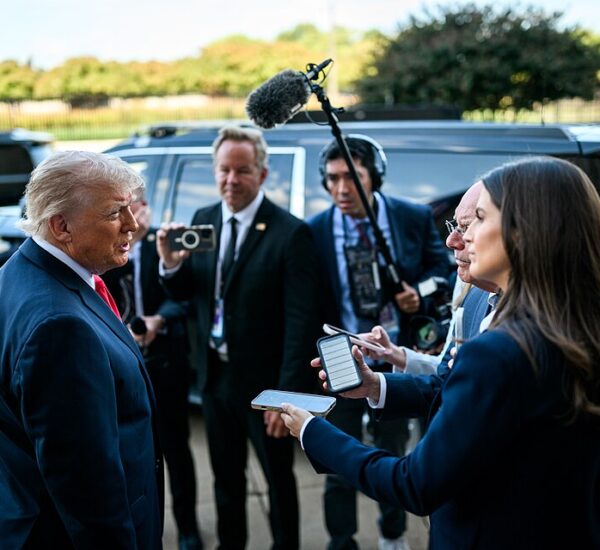
President Donald Trump was expected to meet with Senate Republicans this week as lawmakers discuss possible strategies to avoid another government shutdown and move the appropriations process forward.
Although Sen. Collins said she still prefers passing individual spending bills instead of another temporary funding measure, she acknowledged that Congress may ultimately need a continuing resolution if negotiations remain deadlocked.
When asked whether another shutdown could be avoided, Collins responded, “I certainly hope not,” before adding, “But we’ll have to see.”
What Happens Next?
Unless Congress reaches a funding agreement before October 1, lawmakers could once again face the prospect of a partial government shutdown.
With election season rapidly approaching and partisan tensions rising, the battle over federal spending is shaping up to become one of the biggest political fights of the year. Whether lawmakers can reach a compromise—or whether Washington heads toward another shutdown—will likely have significant consequences for both parties heading into November.