Trump Switches Key Meeting
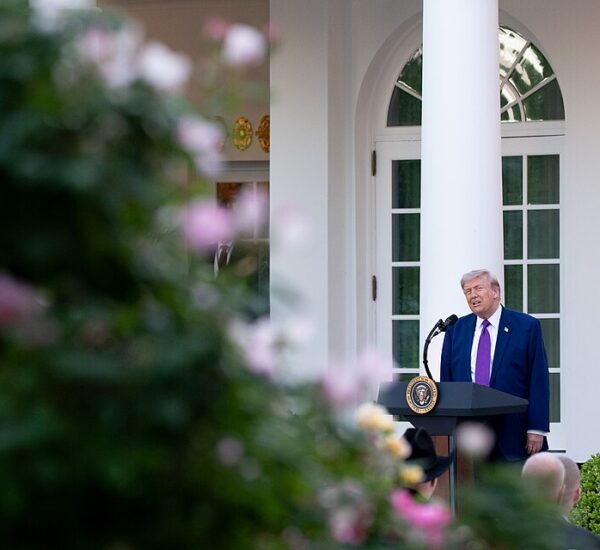
President Donald Trump announced Tuesday that his administration will move a major Cabinet meeting from Camp David to the White House after forecasts warned of severe weather conditions in Maryland.
The president shared the update on Truth Social, saying dangerous weather concerns made the change necessary.
“Based on the possible bad weather conditions tomorrow, we will be having our Cabinet Meeting in the White House, and will be postponing the Cabinet trip to Camp David,” Trump wrote.
The decision comes as the Trump administration faces mounting tensions in the Middle East and growing concerns over Iran’s military activity, energy security, and ongoing negotiations surrounding Tehran’s nuclear ambitions.
Trump Administration Focused on Economy, Security, and Foreign Policy
Reports indicate the Cabinet meeting will include discussions on several major issues impacting American families and taxpayers, including:
- Economic growth and job creation
- Reducing government waste and fraud
- Inflation and affordability concerns
- National security and military readiness
- Escalating tensions involving Iran
All Cabinet members were expected to attend the gathering, including outgoing Director of National Intelligence Tulsi Gabbard.
The meeting was originally planned for Camp David, the historic presidential retreat in Maryland often used for high-level national security discussions.
Iran Tensions Continue to Rise
Iran is expected to remain a central topic during the administration’s discussions after U.S. military forces reportedly carried out overnight strikes on targets in southern Iran.
American officials described the operations as defensive actions aimed at protecting vital shipping lanes and deterring additional aggression near the Strait of Hormuz — one of the world’s most important energy routes.
Iranian leaders responded with sharp criticism and renewed threats against U.S. military installations in the region. Iranian state media also claimed the country’s Revolutionary Guard intercepted drones and pushed back aircraft near Iranian airspace.
The growing conflict has intensified concerns about global oil prices, regional stability, and the possibility of broader military escalation in the Middle East.
Trump Pushes Peace Through Strength Strategy
President Trump has repeatedly stated that he prefers diplomacy and negotiated solutions over prolonged military conflict. However, he has also maintained a firm stance against Iran’s uranium enrichment efforts and support for regional militant activity.
“We’re trying to make a deal so that there’s no destruction and death,” Trump previously said while discussing negotiations with Tehran.
The administration continues pursuing a “peace through strength” strategy, combining military deterrence with diplomatic pressure aimed at securing a tougher agreement with Iran.
Abraham Accords Remain Key Part of Trump Foreign Policy
At the same time, Trump is continuing efforts to expand the Abraham Accords — the historic Middle East peace agreements brokered during his first term.
The administration has reportedly been encouraging additional Muslim-majority nations to normalize diplomatic relations with Israel in hopes of strengthening regional stability and economic cooperation.
Supporters argue the Abraham Accords remain one of the most significant foreign policy achievements in recent decades and could play a major role in reshaping the Middle East.
White House Looks Ahead to 2026 Midterm Elections
As international tensions dominate headlines, the Trump administration is also expected to focus heavily on domestic priorities ahead of the 2026 midterm elections.
Officials are reportedly preparing to highlight economic gains, government accountability efforts, border security policies, and foreign policy leadership as key accomplishments heading into the next election cycle.
While the Camp David retreat may have been delayed by weather, the issues facing the administration remain some of the most important and high-stakes challenges of Trump’s presidency.