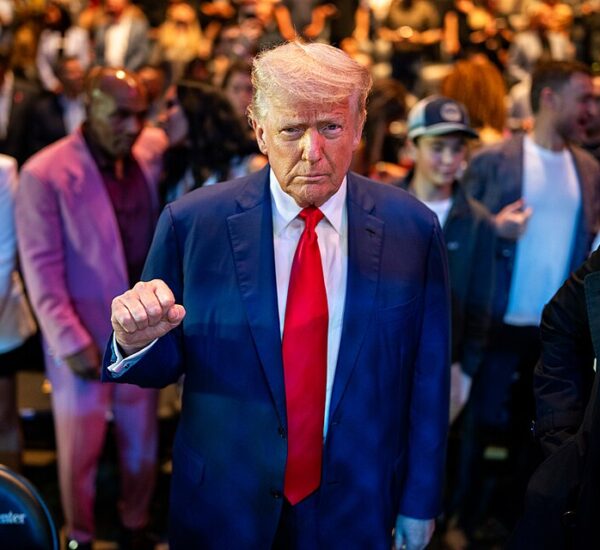
President Donald Trump is facing increasing attention from both supporters and critics as discussions continue around a potential agreement with Iran.
Many strong pro-Israel voices in Washington initially raised concerns about any deal that might leave Iran’s leadership in place or allow its military capabilities to remain largely intact.
However, the conversation began to shift after Trump outlined a broader regional vision that includes expanding the Abraham Accords and encouraging more Middle Eastern nations to establish formal diplomatic relations with Israel.
Several Republican lawmakers who had expressed early skepticism about a potential Iran agreement later offered praise once normalization efforts were included as part of the broader strategy.
Donald Trump has emphasized that additional countries in the Middle East should join the Abraham Accords, arguing that stronger diplomatic ties and economic cooperation could help bring long-term stability to the region.
Lindsey Graham, who had previously warned against ending the conflict in a way that could strengthen Iran’s position, later praised Trump’s approach. Graham described the diplomatic push as highly effective, suggesting that expanded peace agreements could lead to greater regional cooperation and economic growth.
Conservative commentator Mark Levin also supported the proposal, calling expanded recognition of Israel a significant diplomatic achievement in the making.
Trump’s renewed focus on the Abraham Accords comes as his administration works to navigate complex negotiations involving Iran and rising tensions in key strategic waterways such as the Strait of Hormuz, an essential global shipping route for oil exports.
The Abraham Accords were first established during Trump’s initial term in 2020, when Israel normalized relations with countries including the United Arab Emirates, Bahrain, and Morocco. Supporters credit the agreements as one of the most significant foreign policy achievements of that period.
Still, divisions remain within the Republican Party regarding the approach to Iran.
Ted Cruz expressed concern over reports suggesting Iran could gain access to frozen financial assets while continuing its nuclear enrichment activities.
Roger Wicker also raised objections to potential ceasefire terms, arguing that relying on Iran to act in good faith could undermine U.S. strategic interests.
Former Secretary of State Mike Pompeo warned that any agreement resembling past nuclear deals would conflict with the principles of an “America First” foreign policy. He urged continued pressure on Iran to prevent it from strengthening its regional influence.
The White House strongly rejected Pompeo’s criticism, stating that he is not directly involved in current negotiations and does not have full access to the administration’s internal strategy.
At the center of the debate is Trump’s broader foreign policy approach, which combines diplomatic outreach, economic leverage, and expanded regional alliances in an effort to strengthen U.S. partners and contain Iranian influence.
Some foreign policy analysts remain skeptical that countries such as Saudi Arabia or Qatar are ready to move forward with normalization at this stage, given ongoing regional tensions. However, supporters argue that expanding the Abraham Accords could ultimately improve security cooperation, increase trade opportunities, and promote long-term stability in the Middle East.
For many conservatives, the key question is whether any agreement with Iran can protect American interests, support Israel’s security, and avoid repeating the shortcomings of previous diplomatic efforts.