Here’s what happened.
Former FIFA President Sepp Blatter is taking aim at President Donald Trump after FIFA reversed the suspension of U.S. soccer standout Folarin Balogun just days before America’s World Cup showdown with Belgium.
The surprising decision has sparked international controversy, with critics questioning FIFA’s handling of the case and whether outside political pressure played any role.
Balogun was initially handed a red card during the United States’ victory over Bosnia and Herzegovina after video review determined he stepped on a defender’s ankle while attempting to control the ball. The ejection automatically carried a suspension that would have sidelined him for the Americans’ next World Cup match.
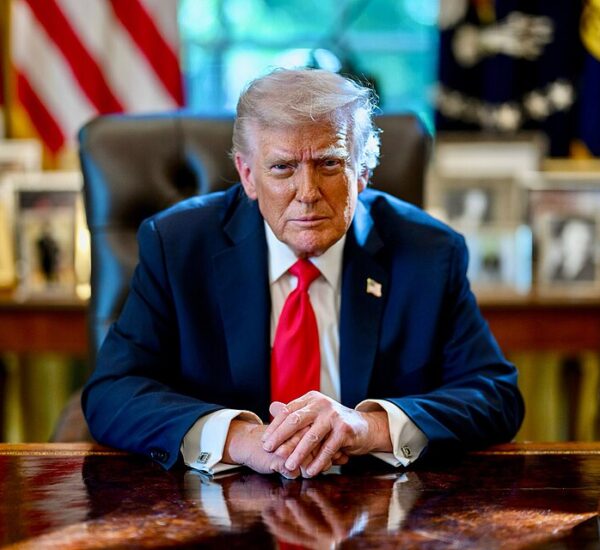
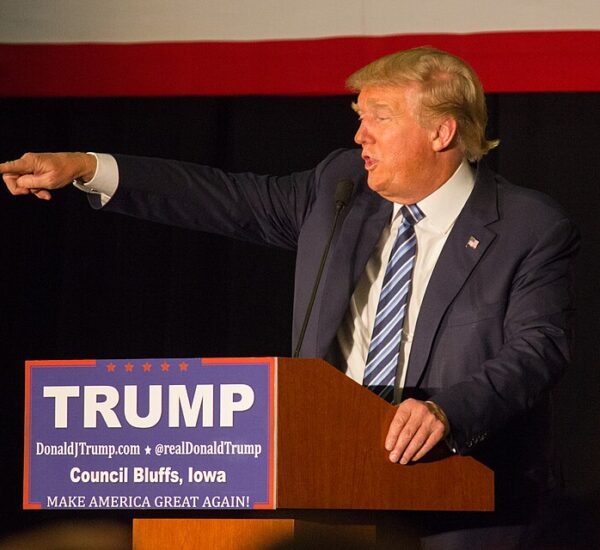
According to Fox News, President Trump later contacted FIFA President Gianni Infantino and urged the organization to take another look at the play. Soon afterward, FIFA announced that Balogun’s suspension had been lifted, allowing him to remain eligible.
Whether Trump’s reported outreach influenced FIFA’s decision has not been confirmed.
Blatter, who led FIFA for nearly two decades before leaving the organization amid corruption investigations and remains suspended from FIFA activities through 2027, publicly criticized the reversal in a post on X.
Blatter argued that red cards should be reversed through proper rules, evidence, and independent review—not because of calls from political leaders. He suggested that if a U.S. president contacted FIFA’s president and a player was quickly cleared before a World Cup knockout game, FIFA would have serious questions to answer.
He concluded by saying that football “must never become a playground for political power.”
Fox News contributor and OutKick founder Clay Travis reported that President Trump, Commerce Secretary Howard Lutnick, and White House World Cup Task Force leader Andrew Giuliani organized a legal team to dispute the use of slow-motion replay that led to Balogun’s red card.
FIFA has not said whether those legal arguments influenced its final ruling.
The decision immediately drew criticism from Belgium, which reportedly exercised its right to appeal and requested a full explanation from FIFA.
The Royal Belgian Football Association said it was “astonished” by the outcome, while Belgium head coach Rudi Garcia openly questioned the governing body’s credibility.
Speaking through a translator, Garcia joked that FIFA’s offices must have confused July 5 with April Fool’s Day before arguing that Belgium was defending the integrity of the sport rather than simply protecting its own team.
Garcia also described the ruling as unprecedented in World Cup history and said the Belgian federation was standing up for fairness, ethics, and the consistent application of the rules.
The criticism did not stop there.
UEFA also weighed in, saying FIFA’s handling of the case had “crossed a red line,” adding to growing international scrutiny over one of the tournament’s most controversial decisions.
For supporters of Team USA, the ruling means one of the nation’s top offensive players will be available for a critical knockout-round match. For FIFA, however, the debate over transparency, consistency, and outside influence appears far from over.
As the World Cup continues, questions surrounding Balogun’s reinstatement—and the political firestorm that followed—are likely to remain one of the tournament’s biggest storylines.