Crockett had some interesting words for Democrats.
Rep. Jasmine Crockett (D-Texas) ignited a fresh debate inside the Democratic Party after suggesting party leaders have spent too much energy trying to win over White voters instead of standing behind one of their most loyal voting blocs: Black Americans.
Speaking during an interview at the Essence Festival in New Orleans over the Fourth of July weekend, Crockett argued that many Black voters believe Democratic leaders have taken their support for granted while failing to address issues they consider most important.
According to Crockett, Black Americans have consistently supported Democratic candidates for decades, yet many now question whether party leaders are willing to fight for their concerns with the same intensity shown for other political priorities.
She pointed to issues including political representation, maternal health, employment opportunities, and economic advancement as examples of areas where some Black voters feel their voices are being overlooked.
Crockett said she regularly hears frustration from constituents who believe the Democratic Party has not made their concerns a top priority.
Her comments offered a rare glimpse into growing divisions within the Democratic coalition as party leaders continue searching for a winning message after the 2024 election.
The Texas Democrat also called for party leaders to establish clear expectations for the groups that make up the Democratic coalition, including Black Americans, Latinos, women, and members of the LGBTQ community.
She argued that Democrats should insist on a basic set of shared principles while making it clear that every community deserves equal attention and representation.
Crockett also turned her attention to the millions of Americans who chose not to vote in the last presidential election.
She noted that more than 70 million Americans voted for each major party, but millions of eligible voters stayed home because they believe neither party has improved their everyday lives.
According to Crockett, many working families are more concerned about putting food on the table, paying their bills, and keeping a roof over their heads than listening to political speeches or campaign slogans.
She said elected officials need to spend less time talking at voters and more time listening to people who are struggling with rising living costs and financial uncertainty.
Crockett also criticized what she described as “White leftists,” arguing that some progressive activists place too much emphasis on ideological causes while Americans facing economic hardship receive less attention.
The remarks underscore an ongoing debate within the Democratic Party over whether it has become too focused on identity politics and activist priorities while losing touch with voters primarily concerned about the economy, inflation, public safety, and the cost of living.
Political analysts have increasingly pointed to those issues as major factors influencing recent elections, particularly among independent voters and working-class Americans.
Crockett encouraged citizens to remain involved beyond presidential elections by participating in local government, attending city council meetings, engaging with state lawmakers, and staying active in congressional races.
She argued that decisions affecting grocery prices, gasoline costs, housing affordability, healthcare, education, infrastructure, and job opportunities are made at every level of government—not just in Washington.
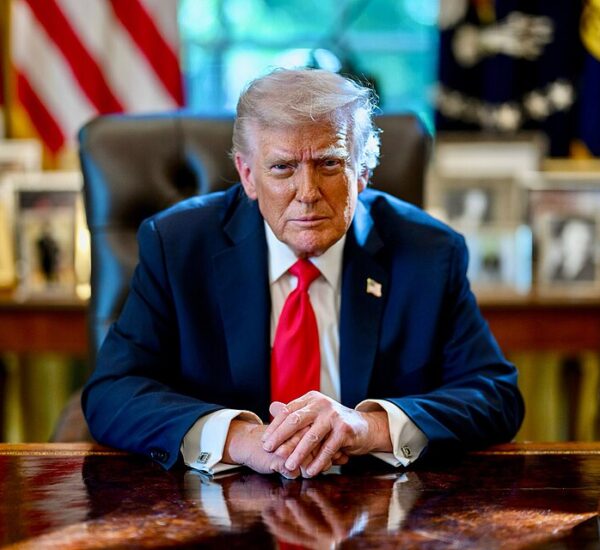
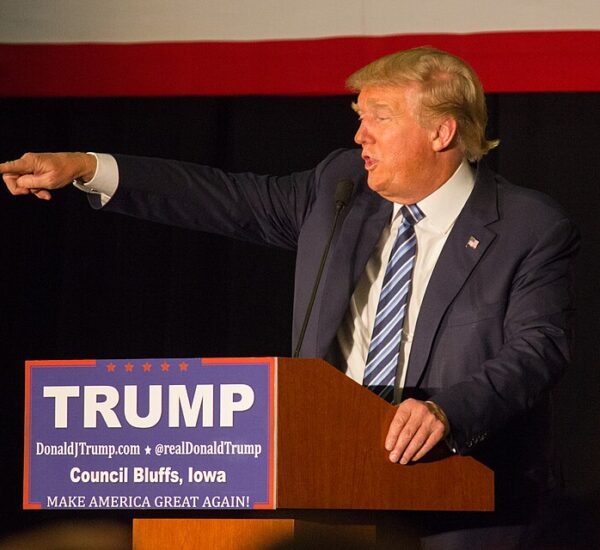
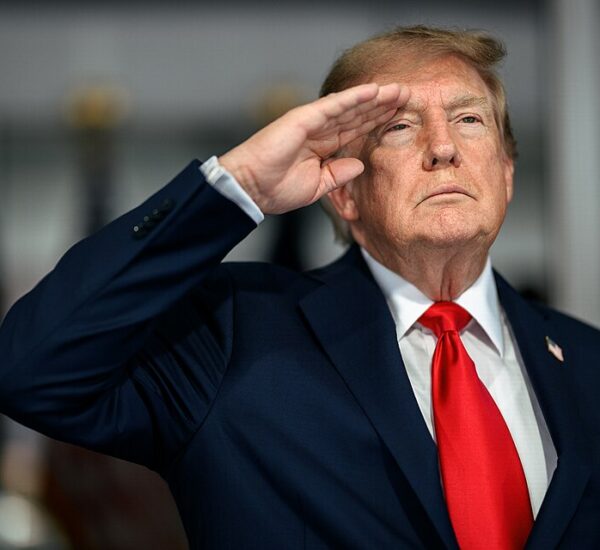
The congresswoman also criticized President Donald Trump and expressed concern about the current administration and the federal court system, saying Democrats need to respond more aggressively if they hope to regain political momentum.
Regardless of whether voters agree with Crockett’s conclusions, her remarks have fueled renewed discussion about the Democratic Party’s direction and its struggle to unite competing factions ahead of future elections.
For Republicans, the comments are likely to reinforce an argument they have made for years—that Democrats are increasingly divided over priorities and messaging. As both parties prepare for the next election cycle, Crockett’s candid assessment is expected to remain part of the broader conversation surrounding the future of American politics.