Vance Plays Key Roll In Nvidia CEO’s Return
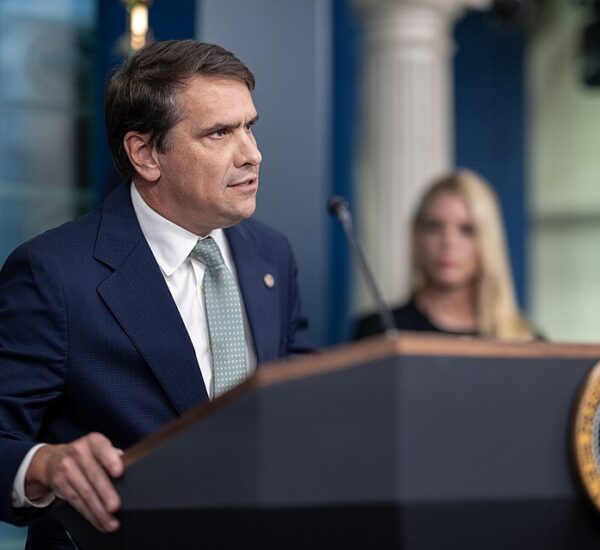
Vice President JD Vance reportedly played an instrumental role in bringing Nvidia CEO Jensen Huang back to the helm of one of America’s most influential technology companies following an intervention by President Donald Trump.
Nvidia announced Monday that its board of directors had unanimously approved Huang’s reinstatement as president and chief executive officer, reversing its previous position following his resignation earlier this month.
According to multiple reports, Trump enlisted Vance to communicate with Huang and Nvidia’s board members over the weekend. The vice president’s relationships within the technology industry reportedly helped facilitate those discussions.
The Trump administration’s involvement comes as the United States faces growing competition from China in artificial intelligence, semiconductor manufacturing and other advanced technologies critical to America’s economic future.
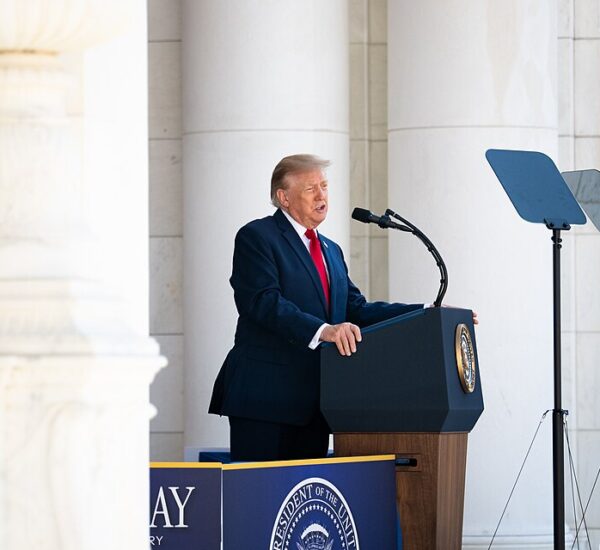
Trump publicly welcomed Huang’s return, expressing confidence in his leadership and maintaining that the federal government had no reason to believe his reinstatement presented a national security threat.
Huang’s initial departure followed reports concerning his personal conduct and potential national security concerns. His reinstatement has nevertheless drawn questions from lawmakers about corporate accountability and the administration’s involvement.
Wall Street Responds To Leadership Change
Investors reacted strongly to Monday’s announcement, with Nvidia shares surging approximately 31 percent following news of Huang’s return.
The company’s performance carries significance beyond Silicon Valley. Nvidia’s substantial presence in major stock market indexes means its financial fortunes can also affect Americans with retirement accounts, mutual funds and long-term investments.
The episode also highlights Vance’s growing involvement in matters concerning American technology and economic policy.
With artificial intelligence becoming increasingly important to manufacturing, national defense and economic competitiveness, Washington faces the challenge of protecting national security while maintaining an environment where American businesses can innovate and grow.
Huang’s return marks a significant turning point for Nvidia, although questions surrounding his departure and the company’s governance remain unresolved.
For the Trump administration, the coming months will provide another test of its approach to American technological leadership, economic stability and competition with China.