New Texas Governor Unveils ICE Plans
Texas Governor-elect Gina Hinojosa is preparing to make significant changes to the state’s immigration policies, including a proposal that could put her on a collision course with federal immigration authorities and President Donald Trump’s administration.
The incoming Democratic governor has announced plans to challenge the detention of migrant families at a controversial Immigration and Customs Enforcement (ICE) facility in South Texas.
Her proposal focuses on the Dilley Immigration Processing Center, a detention facility that houses migrant parents and children while their immigration cases proceed through the federal system.
Hinojosa believes she may be able to use state regulatory authority to prevent the facility from continuing to hold families.
However, implementing that plan could prove complicated because immigration enforcement remains primarily under federal jurisdiction.
Texas Governor-elect Targets ICE Detention Facility
Hinojosa recently discussed her intentions during a conversation with children’s entertainer and online personality Ms. Rachel, who has publicly advocated against the detention of migrant children.
The governor-elect suggested that Texas licensing regulations could provide an opportunity to challenge the facility’s operations.
Her approach centers on whether the detention center has the necessary state authorization to house children.
By examining those requirements, Hinojosa hopes to find a way to prevent families from being detained at the location.
The Dilley facility is operated by private prison company CoreCivic under a contract with ICE.
Although Hinojosa has outlined her intentions, it remains unclear whether the state has the legal authority to force the facility to stop housing families. Questions also remain about the facility’s existing licensing status.
No closure has been announced, and federal immigration operations at the center have not been halted.
Major Changes Could Be Coming To Texas
Hinojosa’s proposal represents just one part of a broader effort to change how Texas works with federal immigration authorities.
During a recent interview with The Texas Tribune, the governor-elect indicated that she intends to reverse several immigration-related directives established by outgoing Republican Governor Greg Abbott.
Among them is an order directing state agencies to identify public property that could potentially be used for federal immigration detention operations.
Hinojosa confirmed that she intends to revoke that directive.
She has also questioned the extent to which state agencies should assist ICE with immigration enforcement activities.
Those positions signal a potentially significant departure from the approach Texas pursued under Abbott, who made border security and cooperation with federal immigration authorities major priorities of his administration.
However, the incoming governor will face legal and practical limitations. Existing state laws cannot necessarily be overturned through executive action, and federal authorities retain substantial control over immigration enforcement.
Trump Administration Could Face New Challenges
The proposed changes come as the Trump administration continues emphasizing immigration enforcement, border security, and the removal of individuals who are in the United States unlawfully.
Federal officials have defended cooperation between state and federal law enforcement agencies as an important tool for enforcing immigration laws and protecting communities.
The Department of Homeland Security has also urged incoming Texas officials to maintain cooperation with ICE.
For Hinojosa, the challenge will be balancing her opposition to certain federal enforcement practices with her stated commitment to securing the southern border.
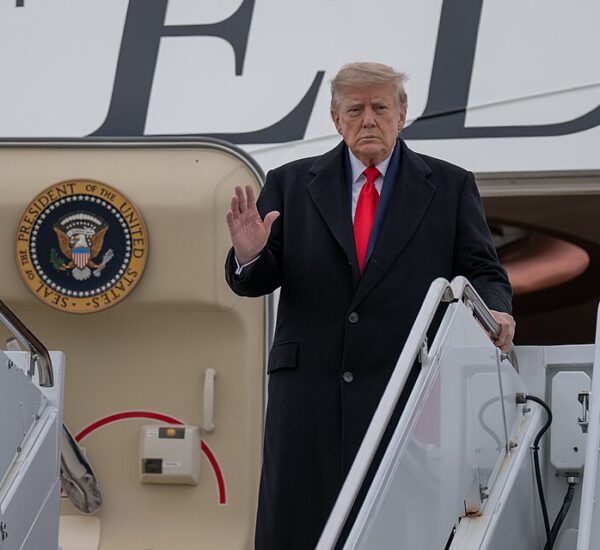
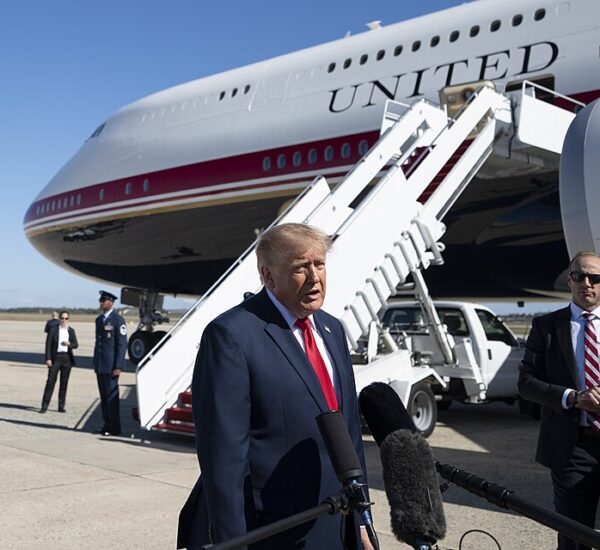
Interestingly, the governor-elect has already spoken directly with President Trump about border security.
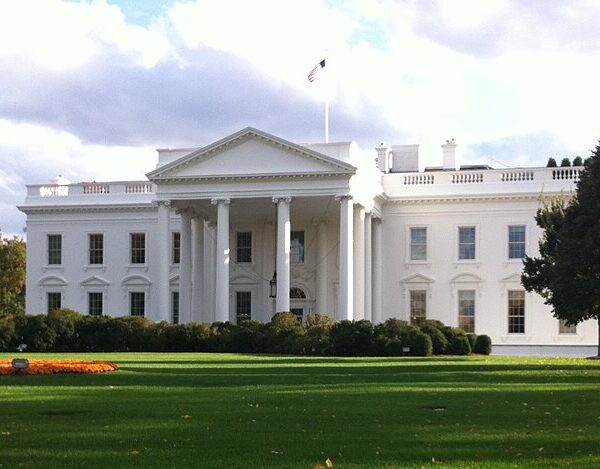
She characterized their conversation as positive and indicated that she hopes to cooperate with the White House on issues involving the Texas-Mexico border.
That suggests the two leaders may find some areas of agreement despite their differences over immigration detention and enforcement tactics.
Immigration Debate Far From Over
Hinojosa is scheduled to take office on January 19, 2027, meaning her proposed changes remain plans rather than official state policy.
Even after she assumes office, any attempt to interfere with federally contracted detention operations could raise difficult legal questions.
Supporters of stricter immigration enforcement argue that detention facilities play an important role in maintaining accountability throughout the immigration process and ensuring that federal immigration laws can be carried out.
Opponents of family detention argue that holding children in immigration facilities raises serious concerns about their welfare and that alternatives should be considered.
The dispute illustrates the continuing disagreement over how immigration laws should be enforced while addressing the treatment of migrant families.
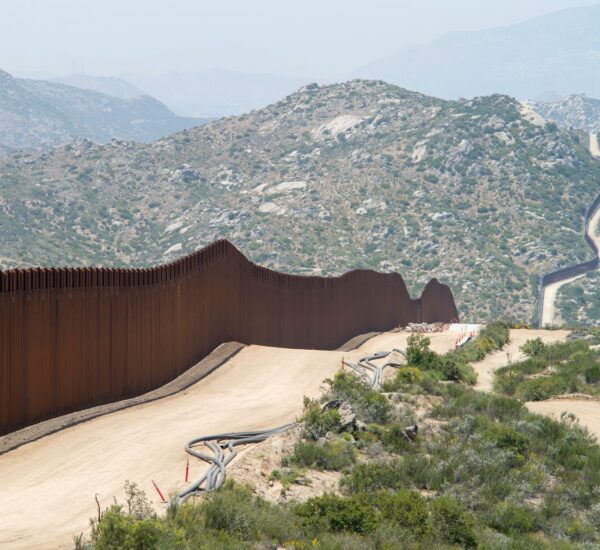
For Texas, the issue is particularly significant because of the state’s extensive border with Mexico and its longstanding role in national immigration debates.
Whether Hinojosa can carry out her proposed changes will depend on the legal authority available to her administration, potential federal challenges, and the response from immigration officials.
One thing is certain: Texas is preparing for a new chapter in its immigration policies, and the relationship between its incoming governor and the Trump administration will be closely watched as those plans move forward.