Here’s what was said.
A Republican senator is issuing a serious warning about the future of Social Security, raising concerns about the retirement benefits millions of Americans have spent their working lives paying into.
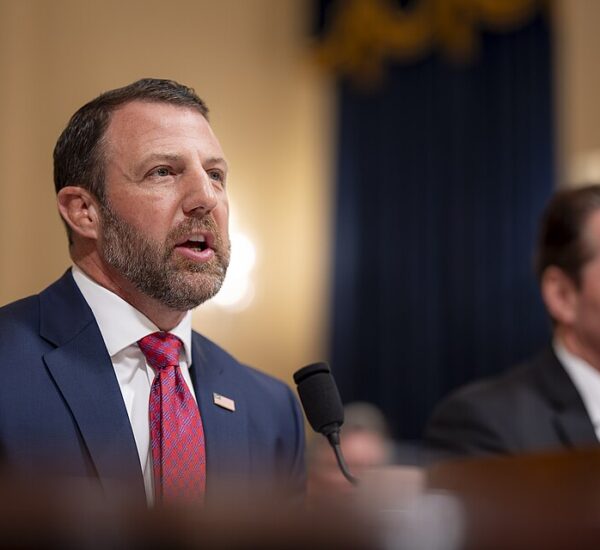
Sen. Ron Johnson, R-Wis., chairman of the Senate Budget Committee, has released a report questioning how the federal government manages Social Security and warning that the program faces a major financial crisis in the coming years.
According to Johnson’s report, Social Security could face a staggering $511 billion funding shortfall by 2032, potentially creating significant challenges for retirees and taxpayers.
The warning comes as Washington continues debating federal spending, government debt, and the future of retirement programs that millions of older Americans depend on.
For retirees and workers approaching retirement, the situation raises questions about whether Congress will take action before the program’s financial problems become more severe.
Republican Senator Warns Americans About Social Security
Johnson’s report, titled Social Security: The Reality… a Legal Ponzi Scheme, argues that Americans have long misunderstood how Social Security operates.
The Wisconsin Republican contends that many workers believe the payroll taxes deducted from their paychecks are deposited into personal retirement accounts that accumulate savings over time.
However, Social Security operates differently.
Instead of holding individual investment accounts for each worker, the program uses payroll tax revenue to help finance benefits for current retirees and other eligible recipients.
Johnson argues that this arrangement has created growing financial pressure as more Americans retire and the cost of providing benefits increases.
The senator has been particularly critical of Washington’s handling of the program, suggesting that decades of government decisions have contributed to its current financial challenges.
His warning has renewed attention on an issue that directly affects the retirement security of millions of American families.
Social Security Could Face a $511 Billion Shortfall
One of the most concerning findings in Johnson’s report involves the program’s projected finances.
The senator estimates that Social Security could face a funding gap of approximately $511 billion in 2032.
According to his analysis, that shortfall would equal roughly 21% of the projected $2.4 trillion federal budget deficit for that year.
The report’s findings come amid broader warnings about the financial condition of Social Security’s trust funds.
The 2026 Social Security trustees’ projections estimate that the retirement and survivors insurance trust fund could exhaust its reserves in 2032.
The combined retirement and disability programs are projected to exhaust their reserves in 2034, although combining the two trust funds would require a change in federal law.
Importantly, running out of trust fund reserves would not mean Social Security payments would disappear entirely.
Payroll taxes would continue supporting the program. However, without legislative changes, the available revenue would not be enough to cover all scheduled benefits.
That distinction is especially important for Americans who rely on Social Security checks to pay their monthly expenses.
Why Millions of Retirees Could Be Affected
Social Security remains one of the most important sources of retirement income in the United States.
Millions of Americans depend on monthly benefits to help cover essential costs, including groceries, housing, utilities, transportation, and medical care.
For seniors living on fixed incomes, even a relatively small reduction in benefits could create serious financial difficulties.
The issue becomes particularly concerning for retirees who have limited savings or no traditional pension to supplement their Social Security payments.
Americans approaching retirement also face uncertainty as they attempt to determine how much income they will need in the years ahead.
While no immediate across-the-board benefit reduction has been announced, the program’s projected funding problems have increased pressure on lawmakers to develop a long-term solution.
For many older Americans, the central concern is straightforward: whether the retirement benefits they have counted on will remain available.
Where Is Social Security Tax Money Going?
Johnson’s report also focuses on how Social Security payroll taxes are collected and used.
Under the current system, most employees contribute 6.2% of their covered earnings toward Social Security, with employers paying an additional 6.2%.
Self-employed individuals generally pay both portions, subject to applicable tax rules.
That money primarily supports benefits being paid to eligible Americans today.
When Social Security collects more revenue than it needs for current obligations, the surplus is invested in special U.S. Treasury securities held by the program’s trust funds.
Those securities earn interest and represent obligations of the federal government.
However, Johnson argues that the system has left future retirees dependent on payroll taxes collected from subsequent generations of workers.
He also criticizes past federal spending and budget decisions, warning that the nation’s growing debt makes the program’s long-term financial problems more difficult to address.
Johnson Wants Washington To Take Action
Despite his criticism of Social Security’s financial structure, Johnson’s report calls for changes intended to prevent automatic benefit reductions when trust fund reserves are exhausted.
The Republican senator argues that Congress should repeal the legal provisions that would result in reduced payments when dedicated program funding becomes insufficient.
He also wants lawmakers to confront the nation’s broader debt and spending problems.
However, preventing benefit reductions without identifying additional revenue or financing would create further obligations for the federal government.
That leaves Congress facing difficult decisions about how to protect retirees while improving the nation’s long-term financial outlook.
Some proposals have focused on increasing Social Security revenue, while others have examined adjustments to future benefit formulas or retirement eligibility rules.
Any significant changes would likely face intense scrutiny from seniors, workers, and lawmakers concerned about protecting retirement security.
What Americans Over 50 Should Know
For Americans in their 50s, 60s, and beyond, the latest warning highlights the importance of understanding Social Security’s financial outlook.
Those already receiving retirement benefits should know that the program continues operating under existing law.
There has been no immediate nationwide cancellation of Social Security retirement payments.
Workers approaching retirement should also understand that their eventual benefits depend on factors such as their earnings history and the age at which they begin collecting payments.
The potential exhaustion of trust fund reserves is a separate issue involving the program’s ability to pay all scheduled benefits in the future.
Retirees and future beneficiaries can review their benefit estimates and payment information through the Social Security Administration.
For Americans who have spent decades contributing to the system, understanding the difference between today’s benefits and future funding projections is essential.
Growing Pressure On Congress
Social Security has provided retirement security to generations of Americans since its establishment in 1935.
But demographic changes have placed increasing pressure on the program.
As the population ages, a growing number of retirees are collecting benefits while the number of workers supporting each beneficiary has declined over time.
Longer life expectancies and changing workforce trends have also affected the program’s finances.
These challenges have been developing for decades, leaving Congress with an increasingly urgent responsibility to address the funding gap.
Johnson’s report adds another Republican voice to the debate over government spending, fiscal accountability, and the future of federal retirement programs.
Although lawmakers disagree over the best solution, the financial projections have made clear that the issue cannot be ignored indefinitely.
Social Security’s Future Remains A Major Concern
For millions of Americans, Social Security represents an important financial promise after decades of employment and payroll tax contributions.
Johnson’s warning underscores the growing pressure on Washington to address the program’s long-term funding challenges before scheduled benefits are affected.
The prospect of a $511 billion shortfall in 2032 has intensified questions about government spending, federal debt, and the steps Congress may need to take.
While Social Security benefits are not facing an immediate shutdown, the financial challenges outlined in the report could have lasting consequences if lawmakers fail to respond.
For retirees and Americans approaching retirement, the biggest question is whether Washington will act in time to protect the benefits millions have worked a lifetime to earn.