Democrats Accuse Trump of Threatening Them
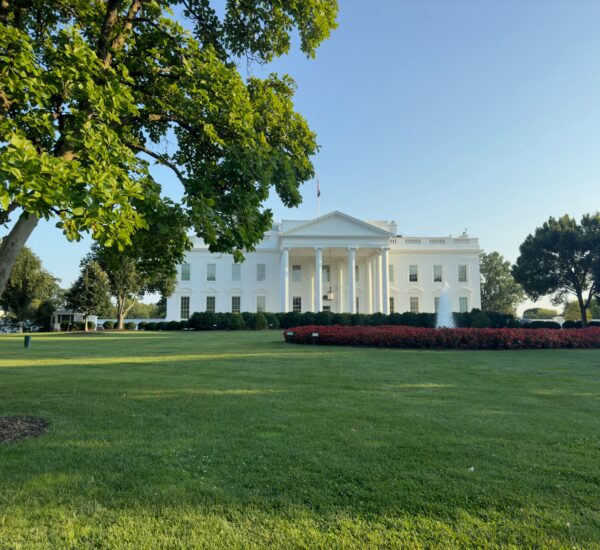
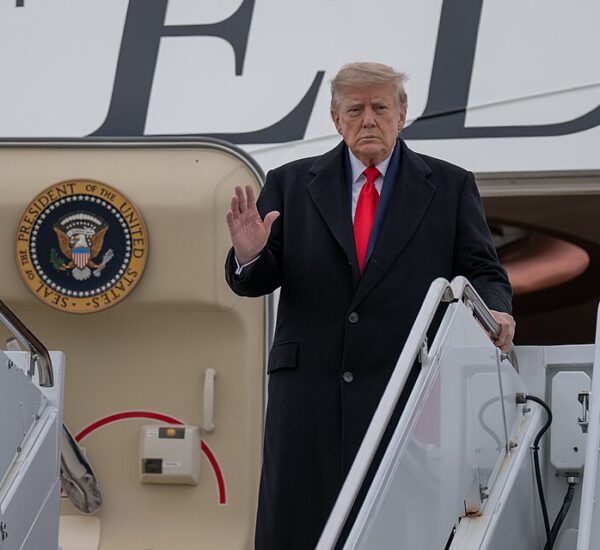
A new political confrontation is unfolding in Washington as congressional Democrats accuse President Donald Trump and his administration of attempting to intimidate lawmakers who are preparing investigations into the White House.
The dispute comes after Democrats secured control of Congress in the November midterm elections, setting the stage for a potentially contentious relationship between the president and Democratic leaders when the new Congress takes office in January.
At the center of the controversy is Rep. Robert Garcia, a California Democrat expected to become chairman of the powerful House Oversight Committee.
Garcia claims the Trump administration is attempting to discourage congressional investigations through warnings about possible criminal consequences. The White House, however, maintains that congressional oversight must remain within constitutional boundaries and cannot be used to threaten or harass government officials.
The disagreement highlights a growing battle over presidential authority, congressional investigations, and the constitutional separation of powers.
White House Sends Warning To Democrats
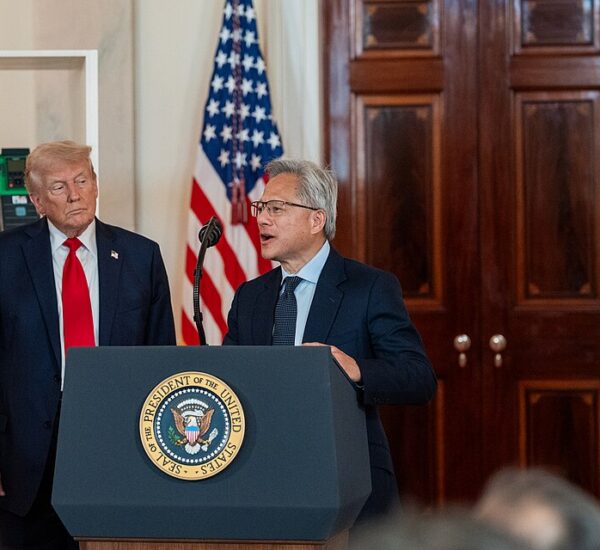
The controversy intensified after White House counsel Will Scharf sent Garcia a letter addressing statements made by Democratic lawmakers about their plans to investigate the Trump administration.
According to reports, the letter warned that certain actions involving congressional subpoenas and threats against executive branch officials could potentially constitute criminal misconduct.
Scharf argued that congressional investigations must serve legitimate legislative purposes rather than function as instruments of political retaliation.
The administration’s concerns followed public statements from Democrats promising aggressive oversight of Trump, his administration, and individuals associated with the president.
Following the election, Garcia posted a brief message telling Trump administration officials to “lawyer up.”
That declaration became part of the growing controversy, with White House officials questioning whether Democrats intend to conduct legitimate oversight or pursue politically motivated investigations.
The administration has made clear that it does not believe congressional authority gives lawmakers unlimited power to target executive branch officials.
Democrats Push Back Against Trump Administration
Garcia rejected the White House’s position, accusing the administration of trying to interfere with Congress’s constitutional responsibilities.
The California Democrat argued that lawmakers possess broad investigative authority and do not need approval from the president to examine the activities of federal agencies.
Garcia also suggested that the administration’s response raised questions about what officials might be trying to prevent Congress from uncovering.
Democrats insist their planned investigations are intended to promote transparency and accountability within the federal government.
Among the issues lawmakers are considering examining are Trump family business activities, federal immigration enforcement, cryptocurrency transactions, and the administration’s handling of certain matters.
However, allegations concerning presidential misconduct remain allegations unless supported by evidence and established through the appropriate investigative or legal process.
Trump and his administration have repeatedly denied wrongdoing.
The dispute has also raised questions about whether Democratic leaders will prioritize legislative proposals or devote substantial congressional resources to investigating the president.
Trump Administration Defends Its Position
President Trump has criticized Democratic leaders over their plans for extensive investigations, arguing that some lawmakers are more interested in political confrontation than governing.
The president has also called for the Justice Department to examine whether certain threats made against administration officials could amount to unlawful conduct.
Attorney General Todd Blanche has acknowledged that Congress possesses legitimate oversight authority while also raising concerns about the rhetoric surrounding some proposed investigations.
During public remarks, Blanche emphasized that the Justice Department and federal agencies have an established responsibility to cooperate with lawful congressional oversight.
The administration’s position reflects a distinction between legitimate legislative investigations and actions designed primarily to intimidate or punish political opponents.
That distinction could become particularly important as Democrats prepare to use their newly acquired congressional majority.
Congress has the constitutional authority to investigate executive branch operations, but that authority is subject to legal limits and established protections.
Determining whether any specific investigation crosses those boundaries would require examining its purpose, procedures, and surrounding circumstances.
Another Major Political Battle Takes Shape
The dispute comes as Washington prepares for a significant shift in congressional leadership.
With Democrats taking control of both chambers in January, President Trump faces the possibility of increased scrutiny during the remaining years of his second term.
Congressional Democrats have indicated that they intend to pursue investigations involving several aspects of the administration, including immigration enforcement, government spending, and potential conflicts of interest.
Republicans, meanwhile, have expressed concerns that Democrats could use their new authority to pursue prolonged investigations that distract from other national priorities.
For many Americans, the question is whether Washington can address pressing challenges while political leaders remain engaged in another round of partisan confrontation.
Issues involving household expenses, economic stability, border security, public safety, and federal spending continue to demand attention.
The incoming Congress will have to decide how to balance its responsibility to oversee the executive branch with the need to consider legislation addressing those concerns.
Constitutional Questions Could Shape The Dispute
The disagreement also highlights an important feature of the American constitutional system: Congress and the presidency operate as separate branches of government with distinct responsibilities.
Congress can investigate matters connected to federal legislation and government operations, including the conduct of executive branch officials.
At the same time, the executive branch can challenge congressional demands that it believes violate constitutional protections or exceed legislative authority.
These competing powers have generated disputes under both Republican and Democratic administrations.
The courts have occasionally been required to resolve disagreements involving subpoenas, executive privilege, and the limits of congressional investigations.
Similar legal confrontations could emerge if Democrats pursue investigations that the Trump administration considers improper.
Neither political party has unlimited authority to disregard constitutional safeguards, and any future disputes will depend on the particular facts and legal questions involved.
What Happens Next?
With the new Congress scheduled to convene in January 2027, the confrontation between President Trump and Democratic lawmakers appears likely to continue.
Garcia has indicated that the White House’s warnings will not prevent Democrats from pursuing their oversight agenda.
The Trump administration has likewise signaled that it intends to challenge investigative tactics it considers abusive or unconstitutional.
Whether the disagreement produces congressional hearings, legal challenges, or additional political confrontations remains uncertain.
What is clear is that the balance of power in Washington is changing, and both parties are preparing for a difficult period of divided government.
For Americans watching these developments, the larger question may be whether elected officials can fulfill their constitutional responsibilities while continuing to address the economic and national security issues affecting everyday life.
As the next Congress approaches, the escalating dispute offers an early indication of the political battles that could dominate Washington throughout the remainder of President Trump’s second term.