Top Trump Officials Talks About Iran Decision
Secretary of State Marco Rubio is defending President Donald Trump’s decision to take military action against Iran, arguing that protecting America’s national security sometimes requires difficult decisions, even when those decisions come with political consequences.
Speaking to reporters Sunday in Florida, Rubio emphasized that Trump’s decision to confront Iran was motivated by concerns about the country’s nuclear ambitions rather than political popularity.
His remarks come just days after Republicans suffered significant losses in the November 3 midterm elections, with Democrats winning control of Congress amid growing concerns about the Iran conflict and its economic impact on American families.
Rubio maintained that the president recognized a serious national security threat and decided to address it rather than leave the problem for future administrations.
According to the secretary of state, protecting the country sometimes requires taking actions that may not immediately win public approval.
The comments highlight the Trump administration’s continued defense of its Iran strategy as questions grow about the conflict’s duration and its consequences for the American economy.
Rubio Defends Trump’s National Security Priorities
The conflict with Iran, which began in February, has become one of the defining foreign policy challenges of Trump’s second term.
Administration officials have repeatedly argued that preventing Tehran from obtaining nuclear weapons remains essential to protecting the United States and its allies.
Rubio reinforced that position Sunday, explaining that the administration believed Iran presented a threat that could not be ignored.
However, the military campaign has also created political challenges for Republicans.
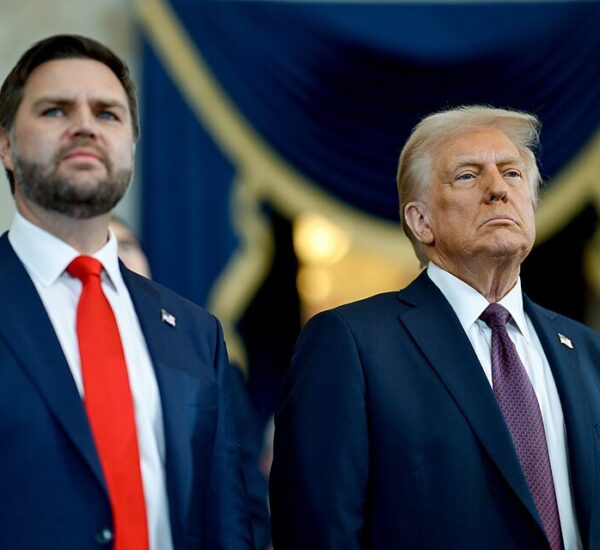
Vice President JD Vance recently suggested that the Iran conflict contributed significantly to the GOP’s disappointing election results.
Rubio declined to directly address the Republican losses but continued defending the president’s original decision.
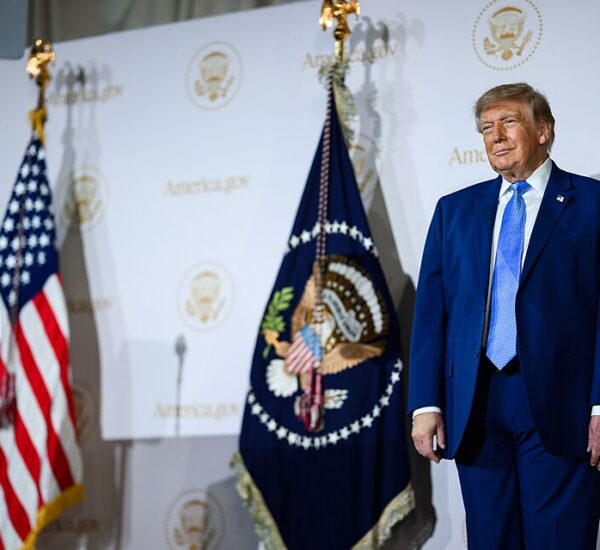
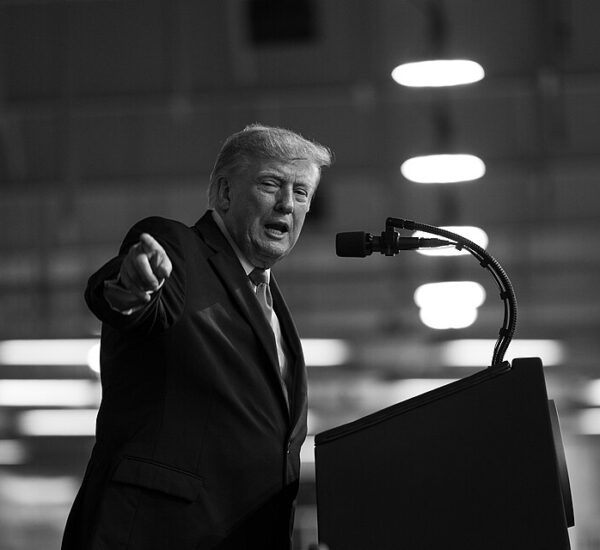
Trump also weighed in Sunday, maintaining that confronting Iran was the correct course of action.
The president expressed confidence that history would ultimately recognize the importance of preventing Iran from acquiring nuclear weapons.
Economic Concerns Continue To Grow
Beyond the national security debate, the conflict has raised concerns about rising energy costs and the financial pressure facing American households.
Disruptions involving the Strait of Hormuz, one of the world’s most important oil transportation routes, have contributed to higher gasoline prices and uncertainty in global energy markets.
For Americans living on fixed incomes, including many retirees, changes in fuel prices can place additional pressure on household budgets.
Higher transportation expenses can also affect the cost of groceries, consumer goods, and other everyday necessities.
These economic challenges became an important issue during the midterm elections, as voters expressed frustration over the financial effects of the prolonged conflict.
Republicans now face the challenge of explaining how the administration’s national security goals can be achieved while limiting further economic disruption.
Iran Negotiations Remain Uncertain
Despite the administration’s defense of military action, Rubio indicated that President Trump still prefers a diplomatic resolution to the ongoing dispute.
However, negotiations have produced little meaningful progress.
Rubio said Iranian officials have presented demands that Washington considers unreasonable, making an immediate agreement unlikely.
Iran has reportedly sought several concessions, including relief from American economic sanctions, access to frozen financial assets, and an end to the U.S. naval blockade of Iranian ports.
Tehran has also pushed for compensation related to damage from the conflict and a broader end to military operations throughout the region.
These demands remain major obstacles to reaching an agreement.
Meanwhile, international mediators are continuing efforts to bring both sides closer to a settlement.
Trump has suggested that additional American strikes may not be necessary if Iran demonstrates meaningful progress toward an acceptable agreement.
However, the president has also made clear that military options remain available if diplomacy fails.
Trump Administration Maintains Firm Position
The administration continues to emphasize that preventing Iran from developing nuclear weapons is a central American security objective.
Iran has maintained that its nuclear activities are intended for peaceful purposes, but its stockpile of highly enriched uranium has remained a major concern for Washington and international monitors.
According to the International Atomic Energy Agency, Iran possesses uranium enriched to 60% purity, approaching the level required for nuclear weapons.
American officials believe a lasting agreement must address those capabilities while providing assurances that Tehran cannot pursue a nuclear weapon.
Rubio also stressed that the United States retains the right to protect American military personnel and commercial shipping from threats in the region.
That position leaves open the possibility of additional defensive military operations even as diplomatic efforts continue.
For the Trump administration, the challenge now involves balancing military readiness, diplomatic pressure, and growing demands for an end to the conflict.
What Comes Next For Trump And Iran?
With the midterm elections over and Democrats preparing to take control of Congress, the administration could face increased scrutiny over its Iran policy.
Lawmakers are likely to demand additional information about the conflict’s costs, military objectives, and prospects for a negotiated settlement.
At the same time, the White House must address the economic concerns of Americans who have experienced higher energy prices during the fighting.
Rubio’s latest comments suggest that the administration remains committed to defending its original decision, regardless of the political consequences.
Whether the United States can secure an agreement with Tehran without another major military escalation remains uncertain.
For now, Trump and his senior advisers continue to argue that confronting Iran’s nuclear ambitions was necessary to protect America’s long-term security, even as the country debates the costs of that decision.