Here’s what Collins is alleging.
President Donald Trump’s White House is facing renewed scrutiny after CNN anchor Kaitlan Collins revealed reports of growing tensions, internal disagreements, and a major leadership shakeup following the Republican Party’s disappointing midterm election results.
The controversy centers on the departure of White House Chief of Staff Susie Wiles and Trump’s decision to replace her with longtime adviser Stephen Miller.
According to Collins, the sudden personnel change has exposed divisions among senior White House officials, raising questions about how the administration will move forward after a difficult election.
The developments come as Trump prepares for a challenging political environment, with Democrats gaining control of Congress and Republicans searching for answers about their election losses.
Kaitlan Collins Reveals Tensions Inside Trump’s White House
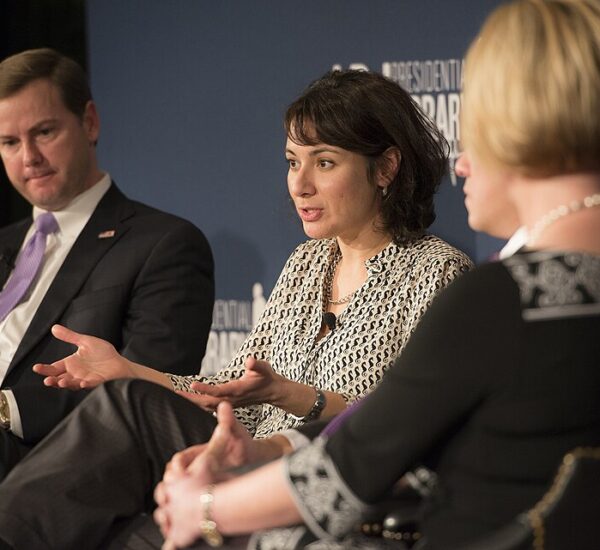
During the November 6 broadcast of CNN’s The Source, Collins described an increasingly divided atmosphere inside the West Wing.
According to the CNN anchor, multiple White House aides have expressed concerns about disagreements among senior officials and the changing balance of power within Trump’s administration.
Collins characterized the situation as a “knives out” atmosphere, comparing the reported tensions to disputes that occasionally made headlines during Trump’s first term.
She suggested that the departure of Wiles could intensify competition among influential advisers seeking a greater role in shaping presidential decisions.
The CNN report also indicated that Trump’s frustration had increased following Republican defeats in the November 3 elections.
Sources cited by Collins claimed the president had become increasingly upset while reviewing coverage of the election results.
Wiles reportedly became one of the individuals Trump held responsible for the party’s disappointing performance.
However, those descriptions of private White House conversations were based on CNN’s reporting and have not all been independently confirmed.
Susie Wiles’ Departure Shakes Up White House Leadership
The departure of Susie Wiles marks a significant change in Trump’s second-term leadership team.
Wiles played a central role in organizing Trump’s successful 2024 presidential campaign and subsequently became the first woman to serve as White House chief of staff.
Her experience managing political operations made her an influential figure within the administration.
As chief of staff, Wiles helped coordinate senior officials, oversee daily White House operations, and manage access to the president.
Her departure comes just days after Republicans suffered major election setbacks, making the timing particularly significant.
Trump previously praised Wiles for her leadership and political experience.
When announcing the transition, the president again commended her work and indicated that she would continue serving his political organization.
That distinction suggests Wiles will remain connected to Trump’s broader political efforts even as she leaves her position inside the West Wing.
Nevertheless, replacing a chief of staff represents a substantial administrative change, particularly when the White House faces significant political pressure.
Stephen Miller Named Trump’s New Chief of Staff
Trump’s decision to elevate Stephen Miller has attracted considerable attention across Washington.
Miller has been one of the president’s most prominent advisers on immigration, border security, and domestic policy.
Throughout both Trump administrations, he has supported stricter immigration enforcement and policies designed to strengthen federal border controls.
As chief of staff, Miller will assume responsibility for coordinating the president’s senior advisers and helping oversee the administration’s daily operations.
The appointment could also indicate that Trump intends to maintain his existing policy priorities despite the recent election setbacks.
Rather than selecting an outsider to lead a broader political reset, the president chose an adviser closely associated with his administration’s immigration agenda.
That decision is likely to generate continued debate among Republicans, Democrats, and political commentators.
Supporters of stronger immigration enforcement may view Miller’s promotion as a sign of policy continuity.
Critics, meanwhile, have questioned whether the administration should reconsider its approach following the midterm results.
Immigration Policy Remains a Major Political Issue
Immigration enforcement continues to be one of the most closely watched issues facing the Trump administration.
During her CNN broadcast, Collins pointed to election polling suggesting that some voters have concerns about the federal government’s immigration enforcement methods.
According to a CNN voter survey cited in the report, 58% of respondents believed the administration’s immigration actions had gone too far.
The findings reflect broader disagreements about how Washington should balance immigration enforcement, border security, and the treatment of individuals affected by federal policies.
For the Trump administration, immigration remains a central part of its political identity.
Miller’s appointment suggests that border enforcement and immigration restrictions are likely to remain important priorities during the remainder of Trump’s presidency.
However, the White House will also face questions about how its policies affect public confidence and future Republican election prospects.
Republican Midterm Defeats Increase Pressure On Trump
The White House leadership change follows a difficult election for Republicans.
Democrats gained control of both chambers of Congress in the November 3 midterms, creating new obstacles for Trump’s legislative agenda.
The results have prompted discussions among Republican leaders about political strategy, campaign messaging, and the issues influencing voters.
Florida Governor Ron DeSantis acknowledged the seriousness of the losses, describing the party’s election performance in unusually stark terms.
The setbacks have also increased attention on Trump’s relationship with congressional Republicans and his ability to advance major policy priorities.
With Democrats preparing to exercise greater influence in Washington, the administration could face additional oversight, legislative disagreements, and political investigations.
Those challenges place greater importance on the White House chief of staff, who plays a central role in maintaining coordination between the president, his advisers, and Congress.
For Miller, the appointment brings considerable responsibility at a politically sensitive time.
Could White House Disagreements Affect Trump’s Agenda?
Although Collins’ reporting has generated headlines, disagreements among presidential advisers are not unusual.
Previous administrations from both political parties have experienced personnel changes, competing policy recommendations, and internal disputes.
Presidents often reconsider their leadership teams following major election losses or changes in congressional control.
The important question is whether those changes improve the administration’s ability to govern.
For Trump, the transition creates an opportunity to establish a new management structure while maintaining the policy priorities that have defined his presidency.
Miller will be responsible for helping coordinate officials who oversee a wide range of issues, including immigration, national security, economic policy, and federal government operations.
His ability to manage those responsibilities could influence how effectively the White House responds to the challenges ahead.
At the same time, continued internal disagreements could complicate efforts to present a unified message to Congress and the American public.
What Happens Next For President Trump?
The coming weeks could provide a clearer picture of how Trump’s newly organized White House intends to operate.
Miller’s leadership will be closely watched as the administration adjusts to the political consequences of the midterm elections.
Republicans must also determine how to respond to voters’ concerns while preparing for the next presidential election cycle.
Economic conditions, government spending, immigration enforcement, and public safety are likely to remain central issues in that debate.
Collins’ account of reported White House infighting has added another dimension to the discussion surrounding Trump’s leadership.
However, the full extent of those private disagreements remains difficult to establish without additional confirmation.
What is clear is that the administration is entering a new period of political uncertainty following major Republican election losses and one of the most significant personnel changes of Trump’s second term.
Ultimately, the success of Trump’s White House leadership shakeup will depend on whether his new team can overcome internal divisions, address pressing national concerns, and deliver results for the American people.