Trump Floats 51st State Again
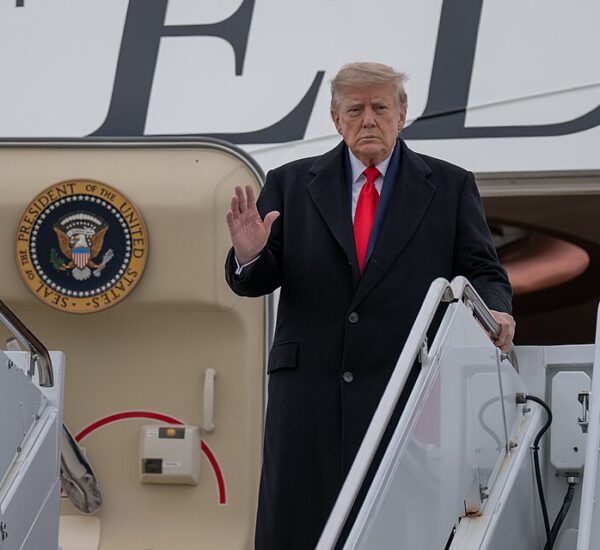
President Donald Trump is once again raising the possibility of expanding the United States to 51 states, this time suggesting that Venezuela could eventually become part of America.
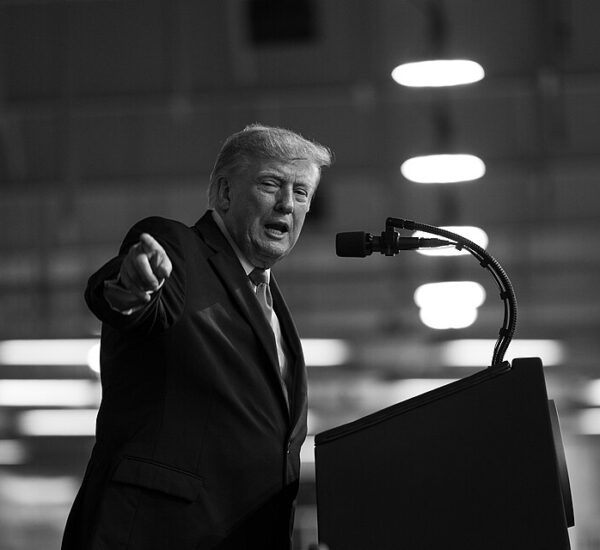
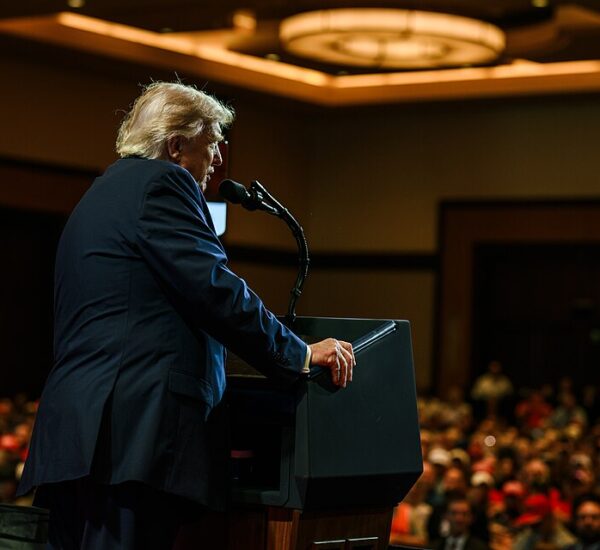
Speaking Tuesday at a Republican campaign rally in Corpus Christi, Texas, Trump discussed America’s growing relationship with Venezuela, the country’s enormous oil reserves, and what he described as new economic opportunities benefiting both nations.
The president then floated an idea that immediately drew attention: turning Venezuela into America’s newest state.
“It will become a prosperous country, and who knows, maybe someday soon it will become a prosperous 51st state,” Trump told the crowd.
He went further, suggesting that Venezuela could eventually elect a governor rather than a president if such a change occurred.
Trump Highlights Major Oil Agreement
Trump’s comments came as he celebrated an energy agreement involving Venezuelan oil shipments to the United States.
The president announced that Venezuela had provided approximately 1 million barrels of oil to America, describing the shipment as a significant development for the nation’s energy interests.
According to Trump, the oil is being supplied at no cost to American taxpayers and will be processed at refineries in Texas.
The president emphasized that strengthening access to oil supplies in the Western Hemisphere could create economic opportunities for American businesses and workers.
Texas, home to some of the nation’s largest oil refineries, stands to play an important role in processing the Venezuelan crude.
Trump also pointed to billions of dollars in energy investments and the potential for additional jobs as evidence that relations between Washington and Caracas have changed dramatically.
A New Chapter In U.S.-Venezuela Relations
The president’s remarks follow major developments in Venezuela earlier this year.
In January, American forces captured Venezuelan leader Nicolás Maduro during a military operation, bringing an end to his rule.
Since then, Venezuela’s interim government, led by Delcy Rodríguez, has pursued closer cooperation with Washington, particularly involving the country’s vast petroleum resources.
Venezuela possesses some of the world’s largest proven oil reserves, making its energy industry a major consideration in American foreign policy.
Trump has repeatedly emphasized the importance of securing reliable energy supplies, increasing domestic refining activity, and strengthening America’s economic position.
His latest comments suggest that he sees Venezuela as an increasingly important partner in those efforts.
Could Venezuela Actually Become America’s 51st State?
Although Trump’s remarks attracted considerable attention, there has been no formal announcement of a plan to make Venezuela part of the United States.
Adding a new state would involve significant legal, political, and constitutional questions.
Under the U.S. Constitution, Congress has the authority to admit new states into the Union. Incorporating an independent foreign country would also raise major questions involving its sovereignty and the wishes of its citizens.
Venezuela’s acting president has previously rejected the idea of becoming an American state, emphasizing her country’s independence.
Trump has discussed similar possibilities involving other countries and territories, including Canada and Greenland.
His latest comments continue that broader conversation about American influence and the country’s future role in the Western Hemisphere.
Energy Prices Remain A Major Concern
The discussion comes at a time when energy costs remain an important issue for American families.
Higher gasoline prices can place additional financial pressure on households, retirees living on fixed incomes, and small businesses that depend on affordable transportation and fuel.
Trump has argued that expanding energy production and securing additional oil supplies could help strengthen the American economy.
However, gasoline prices are influenced by several factors, including global demand, international conflicts, refinery capacity, and crude oil markets. Additional Venezuelan shipments do not automatically guarantee lower prices at the pump.
Nevertheless, the administration is presenting its growing energy partnership with Venezuela as an important step toward strengthening America’s access to petroleum resources.
For now, the idea of Venezuela becoming the 51st state remains a proposal raised in Trump’s public remarks rather than an established government policy.
Whether the president continues pursuing the subject or focuses primarily on expanding energy cooperation remains to be seen.
What is clear is that Trump continues to place American energy interests, economic growth, and U.S. influence in the Western Hemisphere at the center of his political message.