Trump Putting Cruz On Supreme Court?
President Donald Trump has repeatedly raised the possibility of putting Republican Sen. Ted Cruz of Texas on the U.S. Supreme Court, a move that could have major consequences for the nation’s highest court and the future of conservative judicial leadership.
But while Trump has praised Cruz’s legal abilities and suggested he would be a strong candidate, the Texas Republican has made it clear that he has little interest in trading his Senate seat for a lifetime appointment to the bench.
The possibility has nevertheless attracted attention because of Cruz’s extensive legal background, conservative record and longstanding relationship with the president.
Trump Floats Cruz as Potential Supreme Court Justice
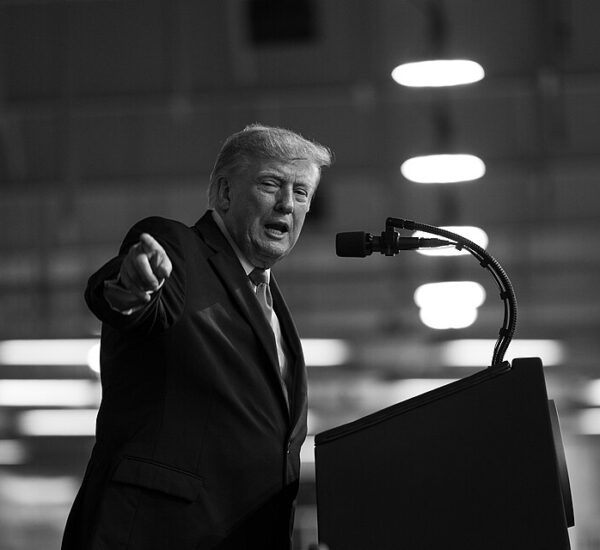
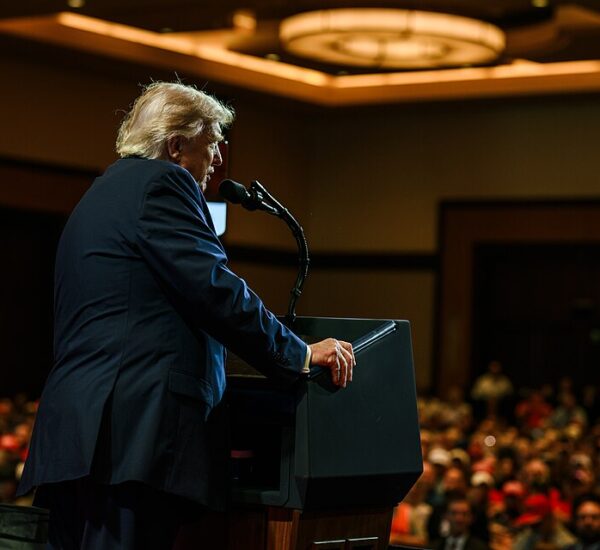
Trump has publicly mentioned Cruz as a possible Supreme Court nominee on several occasions, including during a February appearance in Corpus Christi, Texas.
The president praised Cruz as an exceptionally talented lawmaker and attorney while joking that the senator might receive overwhelming bipartisan support if nominated.
Trump suggested that Republicans and Democrats would both welcome the opportunity to move Cruz out of the Senate, drawing laughter from the audience.
Despite the humor, Trump’s remarks highlighted his respect for Cruz’s intelligence and legal qualifications.
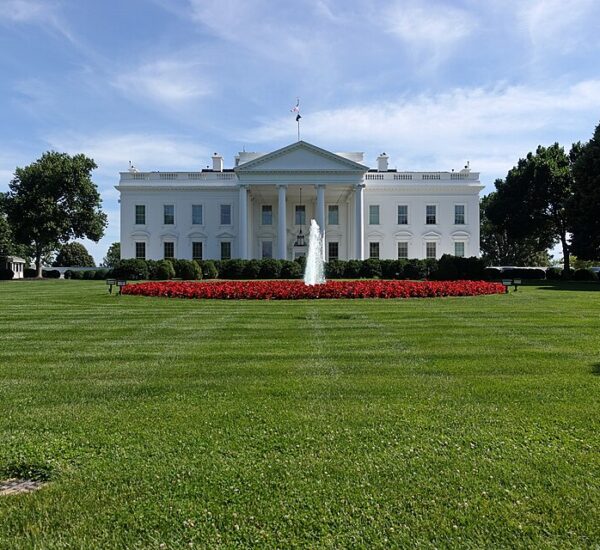
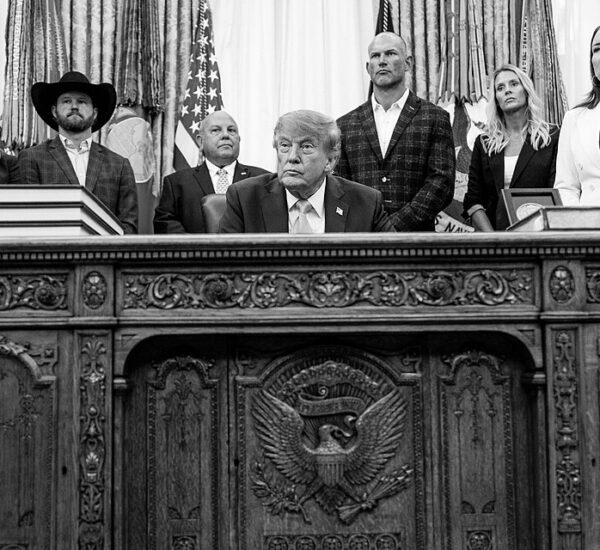
The president returned to the subject during a July White House event, again discussing the possibility of Cruz serving on the Supreme Court.
Trump has previously demonstrated his willingness to reshape the federal judiciary, having appointed three Supreme Court justices during his first term.
Cruz Has a Strong Conservative Legal Background
Cruz would bring considerable experience to the Supreme Court if he ever accepted a nomination.
Before entering the Senate, the Texas Republican built a career in constitutional law and appellate litigation.
A graduate of Harvard Law School, Cruz served as a law clerk for former Supreme Court Chief Justice William Rehnquist.
He later became solicitor general of Texas, representing the state in major legal disputes and arguing cases before the Supreme Court.
His legal background has helped establish him as an influential conservative voice on constitutional questions, federal authority and the role of the judiciary.
Cruz has also consistently emphasized the importance of appointing judges who interpret the Constitution according to its text and original meaning.
Those positions could make him an appealing candidate to Republicans seeking to preserve a conservative approach to constitutional interpretation.
Cruz Says He Doesn’t Want the Job
There is one major obstacle to a potential Cruz nomination: the senator himself.
Despite Trump’s public praise, Cruz has repeatedly indicated that he would rather remain in elected office than become a Supreme Court justice.
During a September appearance on Sean Hannity’s podcast, Cruz strongly rejected the idea of accepting a nomination.
He explained that although he holds the Supreme Court in high regard, he prefers participating directly in political and policy debates.
Cruz has also revealed that Trump discussed potential Supreme Court appointments with him during the president’s first administration.
According to Cruz, he declined those opportunities because he wanted to remain actively involved in shaping public policy.
His position reflects the distinction between serving as a federal judge and holding elected office.
Supreme Court justices are expected to decide legal disputes independently, while senators participate directly in writing legislation, debating national priorities and representing voters.
For Cruz, remaining in the Senate apparently offers the kind of political involvement he wants.
Trump’s Supreme Court Legacy Remains Significant
The possibility of another Supreme Court appointment carries considerable weight because of Trump’s lasting influence on the federal judiciary.
During his first administration, Trump successfully nominated Neil Gorsuch, Brett Kavanaugh and Amy Coney Barrett to the Supreme Court.
Those appointments helped establish the court’s current 6-3 conservative majority, although the justices do not always vote along ideological lines.
The court regularly considers major constitutional disputes involving religious liberty, gun rights, presidential authority, federal regulations and other issues affecting millions of Americans.
For conservatives who believe judges should follow the Constitution’s original meaning rather than create new policies from the bench, the selection of future justices remains an important priority.
A future vacancy would give Trump another opportunity to influence the direction of American constitutional law for decades.
However, there is currently no announced Supreme Court vacancy requiring a replacement.
Could Trump Convince Cruz to Reconsider?
Although Cruz has expressed strong opposition to joining the court, Trump’s continued references to the Texas senator have kept the possibility in the public conversation.
The two Republicans have a complicated political history.
They were fierce competitors during the 2016 Republican presidential primary, frequently clashing over policy and political strategy.
Their relationship subsequently improved, with Cruz becoming an important Republican ally on many legislative and judicial issues.
Trump has repeatedly complimented Cruz’s legal knowledge and effectiveness in Washington.
Still, publicly discussing a possible nomination is different from formally selecting a candidate.
Even if a Supreme Court vacancy were to arise, Trump would need to decide whom to nominate, and that individual would need Senate confirmation.
There is no indication that Cruz has changed his position about accepting such an appointment.
What Happens Next?
For now, Cruz remains focused on his responsibilities in the U.S. Senate, while Trump continues to leave open the possibility of considering him for the nation’s highest court.
Whether that possibility ever becomes reality will depend on several factors, including the emergence of a vacancy and Cruz’s willingness to reconsider his stated opposition.
What is certain is that any future Supreme Court nomination would attract intense attention from both political parties.
With major constitutional questions continuing to shape America’s future, the next appointment could have consequences lasting long after Trump’s presidency.
And although Cruz has repeatedly said he does not want the position, Trump’s praise ensures that the Texas senator’s name remains part of the discussion whenever questions arise about the court’s future.