Trump’s New Request To Voters
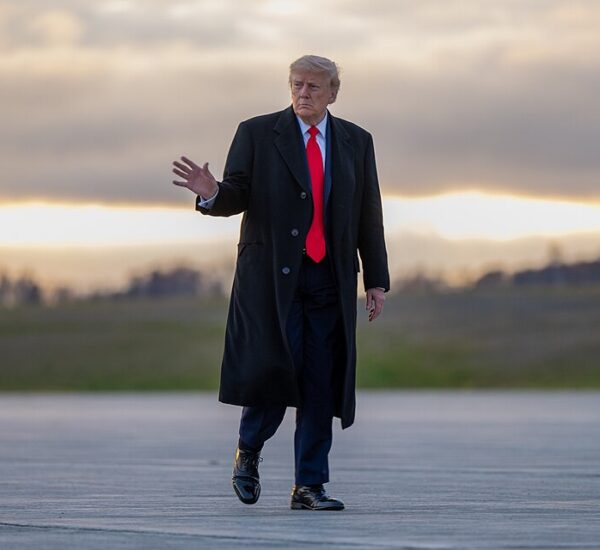
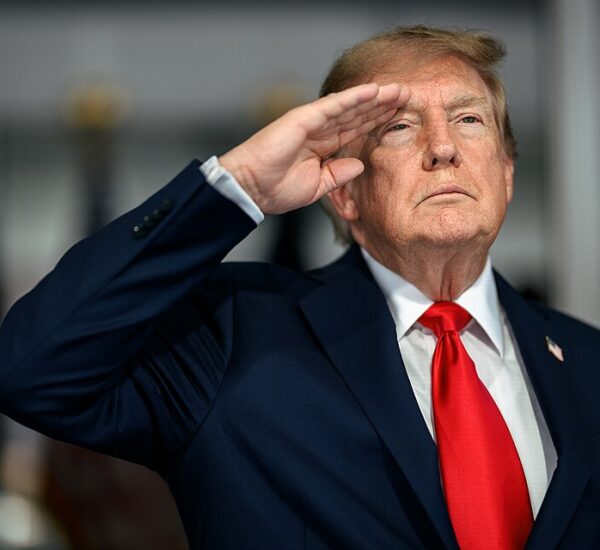
President Donald Trump is making a direct appeal to voters ahead of the November midterm elections, urging Americans who support his agenda to turn out at the polls even though his name will not appear on the ballot.
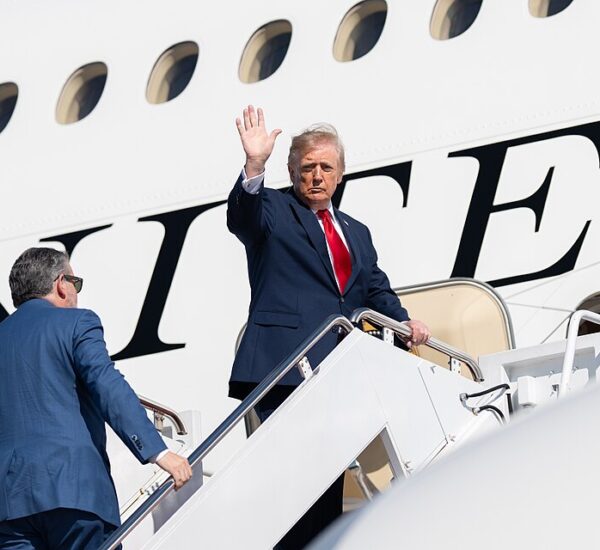
With Election Day approaching on November 3, Trump traveled to Iowa on Thursday, October 22, to help Republican candidates competing in several closely watched races.
His message comes as Republicans work to maintain control of Congress and Democrats attempt to gain ground in states that have traditionally favored the GOP.
Trump Makes His Case Ahead of Election Day
During his appearance in Sioux City, Trump encouraged Republican supporters to approach the upcoming election with the same enthusiasm they demonstrated during his presidential campaigns.
Although Trump is not running for office this year, he wants voters to treat the midterms as an important test of his administration’s direction.
The president’s appeal reflects a familiar challenge for the party occupying the White House: convincing supporters to participate in an election without the presidential candidate at the top of the ticket.
Trump has made voter turnout a central part of his campaign appearances as Republicans prepare for competitive races across the country.
Iowa Becomes a Key Battleground
Iowa has supported Trump in three consecutive presidential elections, including his decisive victory in 2024.
However, the political landscape heading into the 2026 midterms has become more competitive.
One of the most closely watched contests involves Republican Rep. Ashley Hinson, who is running for the U.S. Senate seat being vacated by retiring Republican Sen. Joni Ernst.
Hinson faces Democratic state Rep. Josh Turek in a race attracting national attention and substantial campaign spending.
Trump has endorsed Hinson, and his Iowa visit is part of a broader effort to increase Republican turnout in a state where the party has enjoyed significant success in recent years.
The Senate contest is particularly important because Republicans are seeking to protect their majority while Democrats look for opportunities to flip seats.
Economic Concerns Remain a Major Issue
While Trump continues to emphasize his administration’s priorities, economic concerns have become a significant issue for candidates in Iowa and across the country.
Rising household expenses, agricultural costs, fuel prices, and the impact of federal trade policies have all entered the debate.
Iowa’s farming communities have faced particular pressure from changes in fertilizer and diesel prices, making the economy an important issue in a state heavily dependent on agriculture.
Republicans are emphasizing their economic policies and the importance of maintaining their congressional majorities.
Democrats, meanwhile, are highlighting cost-of-living concerns and criticizing decisions made by the Trump administration.
These competing arguments could influence voters who supported Trump in previous elections but remain concerned about their personal finances.
The Stakes Extend Beyond Iowa
Iowa is not the only state receiving increased attention from national political leaders.
Republicans face competitive House and Senate contests elsewhere, with both parties investing heavily in advertising and voter outreach.
In Iowa, Republican Reps. Mariannette Miller-Meeks and Zach Nunn are also facing challenging reelection campaigns.
The results of those contests could contribute to determining which party controls the House of Representatives when the next Congress convenes.
Control of Congress matters because lawmakers have considerable influence over federal spending, taxes, healthcare legislation, immigration policy, and the president’s broader legislative agenda.
A Republican majority could make it easier for Trump to advance certain priorities, while a Democratic majority could increase scrutiny of his administration and create additional legislative obstacles.
Trump Faces an Important Political Test
Trump’s visit underscores how much attention both parties are placing on voter turnout.
His continued popularity among many Republican voters remains an important advantage for candidates seeking to energize the party’s base.
At the same time, candidates must appeal to independents and other voters who may have concerns about economic conditions or individual administration policies.
Hinson’s Senate campaign illustrates that balancing act. She has embraced Trump’s endorsement while also emphasizing her own positions on issues affecting Iowa residents.
Her opponent, Turek, has presented himself as willing to work across party lines while challenging Trump administration policies he opposes.
With less than two weeks remaining before the election, both campaigns are competing for voters who could determine the outcome.
What Happens Next?
Americans will head to the polls on Tuesday, November 3, 2026, to decide control of Congress and numerous state and local offices.
Trump’s latest request is straightforward: He wants his supporters to participate in the midterms with the same urgency they would bring to a presidential election.
Whether that appeal translates into higher turnout remains to be seen.
For Republicans and Democrats alike, the results in Iowa and other competitive states will help determine the political direction of Washington for the next two years.