Trump Drops Over $400 Million
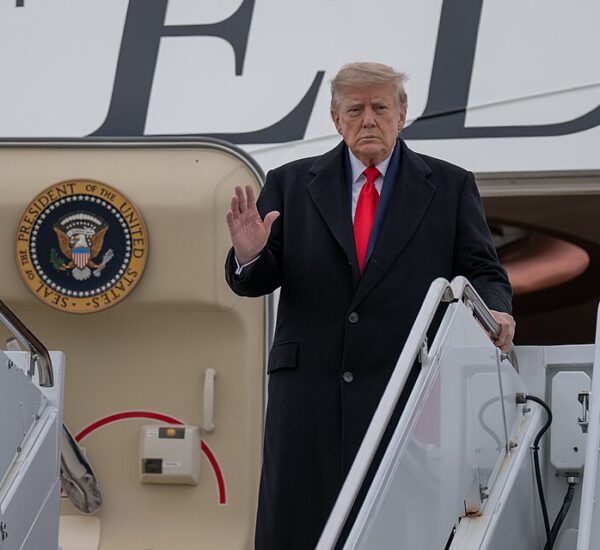
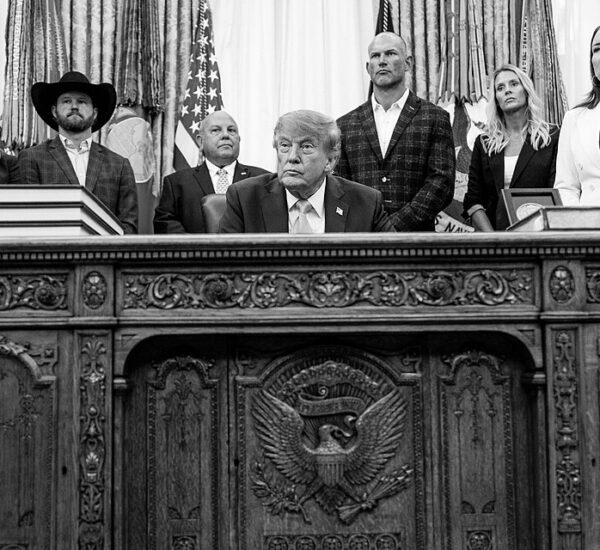
President Donald Trump is making a massive financial commitment to Republicans ahead of the November midterm elections, announcing plans to direct more than $400 million toward helping GOP candidates win crucial races across the country.
With control of Congress hanging in the balance, Trump is putting significant resources behind Republican efforts to maintain their majorities in the House and Senate.
In a Tuesday announcement on Truth Social, Trump revealed that more than $300 million has already been spent on campaign activities, with additional spending expected before voters head to the polls on November 3.
The president described the upcoming elections as among the most consequential in American history, emphasizing his commitment to Republican policies and the party’s future.
Trump Makes Major Investment in GOP Victory
According to Trump, the substantial financial commitment covers a wide range of political operations designed to strengthen Republican campaigns nationwide.
Those efforts include television and digital advertising, direct voter outreach, campaign rallies, telephone events, voter turnout programs, and election integrity initiatives.
Trump said his decision reflects his confidence in Republican leadership and the policies his administration has pursued.
He also pointed to political and social unrest in parts of Europe, including France, as an additional reason he believes the upcoming elections carry extraordinary importance.
The president expressed pride in supporting Republican candidates and credited his party with helping move the United States in a stronger direction.
Republicans Fighting to Maintain Control of Congress
The massive spending commitment comes at a critical moment for Republicans, who are working to defend their congressional majorities against determined Democratic challengers.
Democrats are targeting competitive districts and Senate races in hopes of gaining enough seats to reclaim control of one or both chambers.
For Republicans, maintaining their majorities would help preserve their ability to advance Trump’s legislative priorities during the remainder of his presidency.
The outcome could have significant implications for federal spending, border security, immigration enforcement, tax policy, and the direction of Washington over the next two years.
Trump’s financial commitment also highlights how seriously Republican leaders are approaching the final stretch of the campaign.
Political advertising, voter participation efforts, and strong turnout in closely contested states could prove decisive in determining which party controls Congress.
Democrats Also Bringing Big Money Into Election Battle
Republicans are not the only ones making major financial investments.
Former New York City Mayor Michael Bloomberg is reportedly directing approximately $80 million toward Democratic candidates and organizations ahead of Election Day.
According to reports, at least $50 million of Bloomberg’s spending is intended to influence House contests, including contributions to Democratic-aligned political groups and organizations advocating stricter gun laws.
The competing financial commitments demonstrate the enormous stakes surrounding the 2026 elections.
Campaign spending has reached extraordinary levels as both parties attempt to persuade undecided voters and motivate their supporters to participate.
Trump’s primary political organization, MAGA Inc., and an affiliated super PAC have already reported substantial spending on Republican election efforts.
However, the full $400 million figure announced by the president has not been independently verified, and it does not necessarily represent spending from his personal finances.
November Election Could Shape Trump’s Remaining Term
With Election Day approaching, the battle for congressional control is entering its final and potentially most expensive phase.
Republicans hope their financial resources, campaign organization, and Trump’s continued involvement will provide an advantage in competitive races.
Democrats, meanwhile, are hoping dissatisfaction with the administration will translate into enough victories to change the balance of power in Washington.
For Americans concerned about the economy, retirement security, government spending, and border enforcement, the results could influence important policy decisions affecting the country for years to come.
Trump has made clear that he considers the election a defining moment for his presidency and the Republican Party.
Whether his enormous financial commitment translates into victories at the ballot box remains to be seen.
One thing is certain: Both parties are preparing for an intense battle over the future direction of Congress, and November 3 will determine which side comes out ahead.