Democrats Holding Small Lead Over GOP
With the 2026 midterm elections approaching, Democrats are maintaining an advantage over Republicans in several national polls, raising questions about which party will control Congress following November’s elections.
The latest political landscape presents challenges for both parties as President Donald Trump and congressional Republicans work to maintain their majorities while Democrats attempt to regain power in Washington.
Although Democrats have demonstrated strength in recent surveys, Republicans still have opportunities to improve their position before voters cast their ballots.
One of the biggest uncertainties is whether polling advantages will translate into actual election victories.
Polling Shows Competitive Political Environment
Recent national surveys have indicated that Democrats hold an advantage when Americans are asked which political party they would support in congressional elections.
A September CBS News/YouGov poll showed Democrats receiving 54% support among likely voters compared with 46% for Republicans.
An earlier Emerson College/The Hill survey also found Democrats ahead, with approximately 51% supporting Democratic congressional candidates compared with 43% supporting Republicans.
While those surveys indicate Democratic strength, they do not guarantee that the party will secure enough individual congressional seats to win a majority.
The outcome will depend on competitive races across the country, including districts where relatively small changes in voter participation could determine the winner.
Republicans Face Important Challenges
For President Trump and Republican lawmakers, the upcoming midterms represent an important test of their ability to maintain public support.
Economic conditions, immigration enforcement, federal spending, and national security are among the issues influencing the political debate.
Republicans have emphasized their positions on border security, government spending, and economic policy, while Democrats have challenged the administration over affordability and other concerns.
The economy remains particularly important because many American households continue to weigh the cost of groceries, housing, healthcare, and everyday expenses.
These issues could influence undecided voters who are less concerned with political party loyalty than with the direction of the country.
Historically, the political party occupying the White House often faces difficulties during midterm elections. However, historical patterns are not guarantees, and individual candidates and local circumstances can produce different results.
Texas Senate Race Draws National Attention
One important contest is unfolding in Texas, where Republican Attorney General Ken Paxton is competing against Democratic state Rep. James Talarico for a U.S. Senate seat.
Texas has traditionally favored Republicans in statewide elections, but recent polling has suggested that the Senate contest could be more competitive than expected.
An August Emerson College Polling/Nexstar Media survey found Paxton receiving 47% support compared with 46% for Talarico, a difference within the survey’s reported margin of uncertainty.
The contest has drawn national attention because a Democratic victory in Texas would represent a significant political breakthrough.
Nevertheless, Republicans retain a strong historical advantage in the state. Democrats have not won a Texas U.S. Senate election since 1988.
The close polling illustrates why both parties are closely examining traditionally Republican states in addition to familiar battlegrounds.
Voter Turnout Could Determine The Outcome
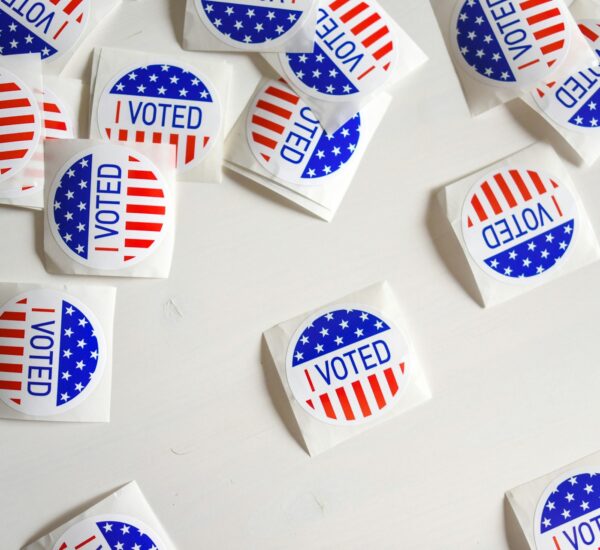
One of the most significant factors in November will be voter participation.
Polls provide a snapshot of public opinion, but they cannot predict with certainty who will actually vote.
Democrats have demonstrated considerable enthusiasm in several primary elections this year, while Republican officials have emphasized their efforts to mobilize supporters before Election Day.
Independent voters could also play a decisive role, particularly in competitive House districts and closely contested Senate races.
Even when a political party holds a national polling advantage, the distribution of support across individual states and congressional districts can produce a different election outcome.
For Republicans, maintaining their congressional majorities would allow the party to continue advancing its legislative priorities alongside President Trump.
For Democrats, gaining control of either chamber would create opportunities to influence federal legislation, congressional oversight, and the administration’s broader agenda.
All Eyes Turn Toward November
As the November 3 elections approach, both political parties face pressure to strengthen their support and convince undecided Americans that their candidates offer the best solutions.
Democrats currently have encouraging polling numbers, but Republicans are emphasizing their political record and looking to maintain support among voters who helped return President Trump to the White House.
Much will depend on economic concerns, candidate performance, and the ability of each party to motivate its supporters.
With control of Congress at stake, even a relatively modest shift in voter sentiment could have major consequences.
For now, the polling picture suggests Democrats have an advantage nationally, but the final outcome remains uncertain.
The ultimate decision will come from voters on Election Day, not from opinion polls conducted weeks beforehand.