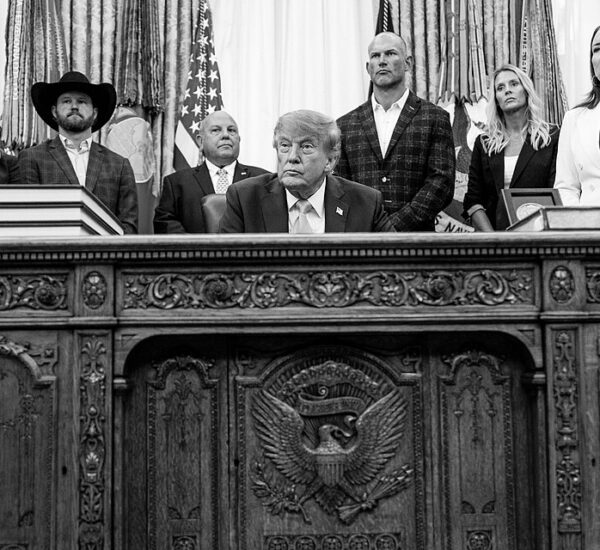
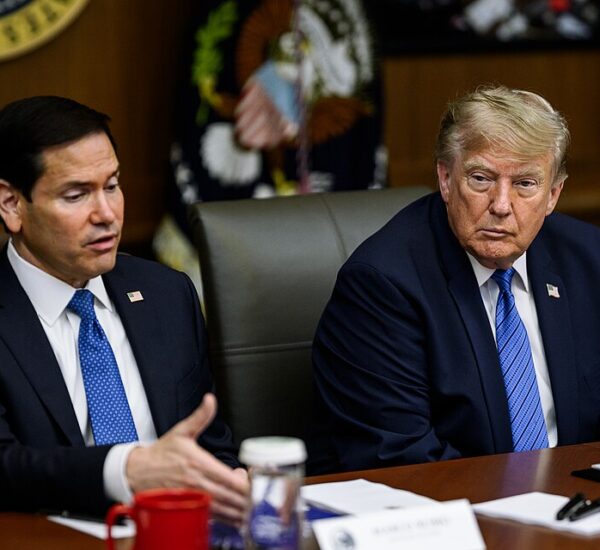
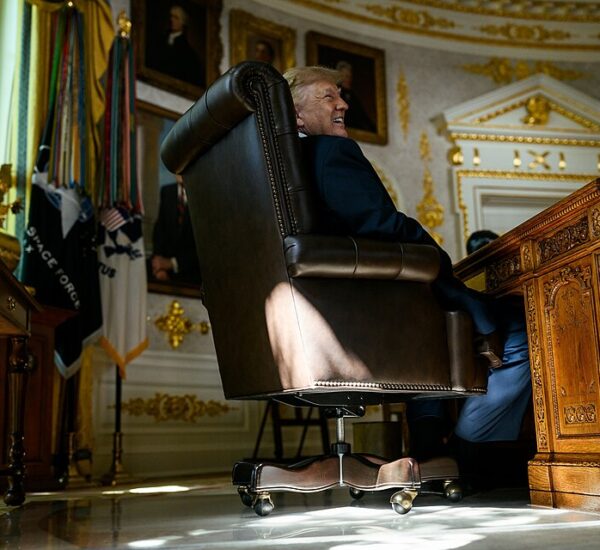
Trump didn’t take it well.
President Donald Trump is taking aim at the U.S. Supreme Court after the justices dealt his administration a significant setback in its effort to impose new requirements on mail-in ballot processing ahead of the 2026 midterm elections.
Trump issued a blistering response Tuesday, criticizing the Court’s decision and renewing his long-running concerns about mail-in voting and election security.
But the Supreme Court’s action does not necessarily mark the end of the legal battle.
The justices rejected the administration’s emergency request to lift a lower-court injunction blocking new U.S. Postal Service requirements. That means the rules will remain on hold for the upcoming midterms while the underlying dispute continues.
And one justice left open the possibility that the administration could ultimately have a stronger case in the future.
Trump Rips Supreme Court Over Mail-In Voting Decision
Trump responded to the ruling with unusually sharp criticism of the nation’s highest court.
The president called the decision a major loss for Republicans and the country while arguing that the continued widespread use of mail-in ballots makes elections more vulnerable to fraud.
Trump has repeatedly raised concerns about mail voting and has called for tighter election safeguards.
His allegations of widespread cheating, however, remain disputed. Election officials and voting-rights organizations have defended existing mail-voting safeguards, while Trump and his allies maintain that stronger requirements are necessary to improve election security.
Trump also praised Supreme Court Justices Samuel Alito and Clarence Thomas, both of whom disagreed with the Court’s decision.
He called the two conservative justices “legends.”
What Did the Supreme Court Actually Decide?
The distinction between the immediate Supreme Court ruling and the broader legal battle is important.
The Court did not issue a final decision permanently invalidating the Postal Service’s new mail-ballot requirements.
Instead, the justices rejected the Trump administration’s emergency request to lift an injunction that prevented the rules from taking effect before the 2026 midterm elections.
As a result, election officials will not have to implement the new system for the November election under the current court orders.
The underlying legal questions surrounding the Postal Service’s authority have not necessarily been resolved for future elections.
What Would Trump’s New Mail-Ballot Rules Do?
The dispute centers on new requirements governing federal election mail handled by the U.S. Postal Service.
Under the proposed system, ballot envelopes would have to meet several technical requirements before being accepted for mailing.
Those requirements include an official election-mail logo and envelopes capable of being processed by high-speed Postal Service equipment.
The system would also use specialized barcodes connected with individual voters.
State and local election officials would be required to submit their envelope designs to the Postal Service for review and provide basic voter information through an online USPS portal.
Mailings that failed to satisfy the requirements could be returned to election officials for correction and resubmission.
The administration has defended the changes as an effort to establish clearer standards for handling election mail.
Critics have challenged both the federal government’s authority to impose the requirements and whether election officials could realistically comply with them so close to Election Day.
Justice Kavanaugh Leaves the Door Open
Justice Brett Kavanaugh’s position could prove particularly important in determining what happens next.
Kavanaugh agreed that the administration should not receive emergency relief allowing the requirements to take effect immediately.
However, he did not conclude that the Postal Service necessarily lacked the legal authority to adopt the rule.
Kavanaugh indicated that the Postal Service had a reasonable chance of ultimately showing that the final rule was within the authority granted to it by federal law.
His primary concern was timing.
Kavanaugh determined that election officials at the state and local levels did not have enough time to put the new requirements in place before the 2026 midterm elections.
That means the administration’s immediate defeat may not settle the broader question of whether similar requirements could legally be implemented before a future election.
Alito and Thomas Side With Trump Administration
Justices Samuel Alito and Clarence Thomas disagreed with the Court’s decision to leave the injunction in place.
Alito argued that the federal government had satisfied the requirements necessary for the Supreme Court to grant a stay.
Thomas joined his dissent.
Their position gives the administration support from at least two members of the Court in the ongoing dispute.
Alito also addressed concerns that state election officials lacked enough time to implement the new requirements.
While acknowledging the timing issue, he argued that responsibility for the situation did not rest entirely with the federal government.
Trump Says Supreme Court Has Disappointed Him Before
Trump used his response to highlight other major Supreme Court decisions that have gone against his administration.
The president said criticizing the Supreme Court was not something he did lightly, but argued that he had an obligation to speak publicly when he believed the Court had made the wrong decision.
The criticism highlights Trump’s complicated relationship with the current Supreme Court.
During his first term, Trump appointed three justices: Neil Gorsuch, Brett Kavanaugh and Amy Coney Barrett.
Those appointments helped establish the Court’s current conservative majority.
Yet that majority has not guaranteed victories for Trump or his administration in every major legal dispute.
The Court has sided with the administration in some high-profile cases while rejecting its position in others.
What Does the Decision Mean for the 2026 Midterms?
The immediate effect is relatively simple.
The new Postal Service requirements will not be implemented for the November 2026 midterm elections under the current court orders.
That means state and local election officials can continue preparing for mail voting without having to make a major last-minute transition to the new federal system.
For voters, the decision means the newly proposed USPS requirements will not suddenly change how election officials prepare ballot mail for this year’s midterms.
The broader legal fight, however, could continue.
Could the Mail-Ballot Rules Return?
Possibly.
The Supreme Court’s order concerned whether the administration should receive emergency relief before the upcoming election. It did not necessarily provide a final answer to every legal question surrounding the USPS rule.
Kavanaugh’s opinion makes that distinction especially important.
His reasoning suggests that timing — rather than an outright rejection of the Postal Service’s underlying authority — was a major obstacle to implementing the requirements for 2026.
A future attempt introduced substantially earlier in an election cycle could therefore raise a different set of legal and practical questions.
That does not guarantee that the administration would ultimately prevail. Further litigation could determine whether the requirements comply with federal law and the Administrative Procedure Act.
Election Security Debate Is Far From Over
The Supreme Court dispute arrives amid a much larger national debate over mail voting and election administration.
Trump and many of his supporters have argued for stronger safeguards surrounding voting by mail, including tighter identification, verification and ballot-handling requirements.
Opponents of additional restrictions argue that mail voting is an established method of casting ballots and warn that unnecessary requirements could make voting more difficult or create administrative problems for election officials.
Those disagreements are likely to remain part of the national political debate well beyond the 2026 midterms.
What Happens Next?
For now, the administration has been prevented from putting the new Postal Service requirements into effect for the upcoming midterm elections.
But the larger legal dispute is not necessarily finished.
The administration could continue defending the rule through the courts, and future attempts to implement similar requirements could arise with more preparation time before another federal election.
Meanwhile, Trump’s public criticism makes clear that he remains deeply dissatisfied with the Supreme Court’s handling of the case.
Alito and Thomas have already signaled disagreement with the majority’s decision, while Kavanaugh’s separate opinion suggests the underlying question of Postal Service authority could remain open.
For voters, election officials and lawmakers, that means the fight over mail-in voting rules may continue long after the 2026 ballots are counted.