Republican Reverses Support On Trump Dividend
Sen. Roger Marshall of Kansas is taking a more cautious approach to President Donald Trump’s proposed $5,000 “Trump Dividend,” just days after appearing to publicly embrace the idea.
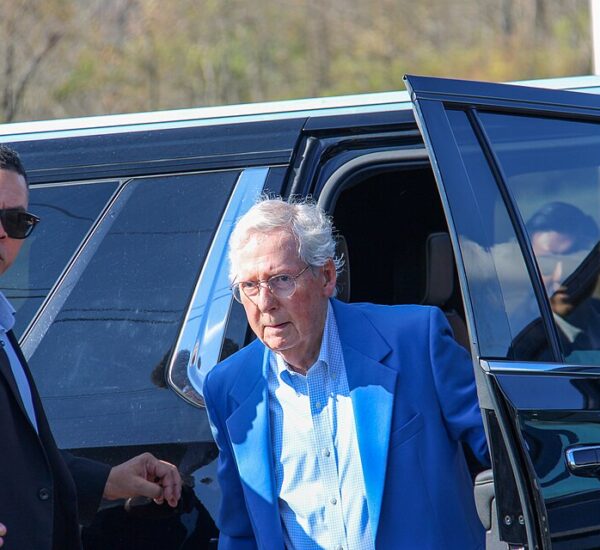
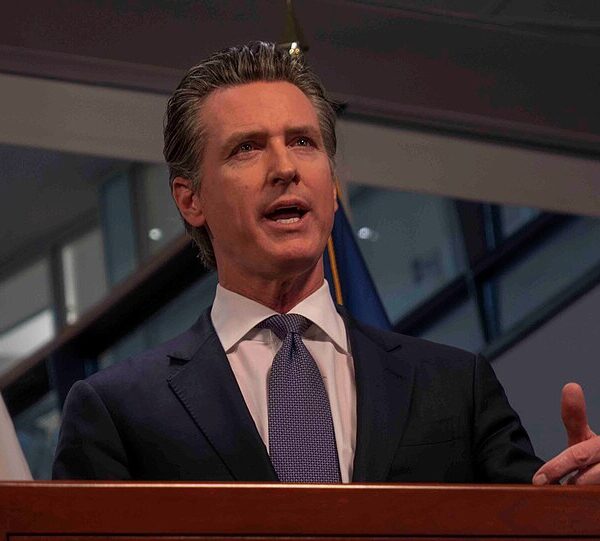
The Republican senator addressed the proposal Saturday during a debate against Democratic challenger Adam Hamilton at the Kansas State Fair in Hutchinson.
When asked whether he would support the $5,000 payments, Marshall stopped short of committing himself to the plan.
“I’m going to bring in all the information, and then make a decision,” Marshall said.
The senator also acknowledged that he does not agree with Trump on every issue.
“But look, this is not the first time I’ve disagreed with President Trump, and it probably won’t be the last,” Marshall added.
Instead, Marshall said his immediate priorities include protecting employment and major industries in Kansas.
“I’m going to be focused on Kansas jobs. I’m going to be focused on protecting Kansas agriculture and the Kansas cattle industry,” he said.
Marshall Previously Appeared to Support Trump’s $5,000 Dividend
Marshall’s response stood out because of a social media post he made only days earlier.
On Wednesday, the senator appeared enthusiastic about Trump’s proposal, asking his followers what they would do with the money.
“Comment how you will spend your $5,000 Trump Dividend when Republicans win in November,” Marshall wrote on X.
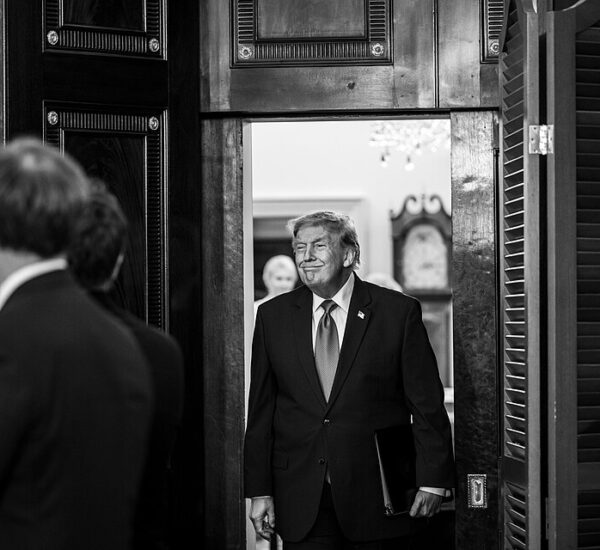
The post came after Trump announced the proposal during the Republican Party’s midterm convention in Dallas.
Trump said adult American citizens would receive a $5,000 payment if Republicans retain control of both the House and Senate in the November elections.
The president described the payment as a “dividend,” arguing that Americans should benefit from the country’s economic performance.
However, significant questions remain about how the proposal would work.
How Much Would Trump’s $5,000 Plan Cost?
The potential price tag has quickly become one of the biggest questions surrounding the proposal.
Providing $5,000 to every eligible adult American could cost more than $1 trillion, depending on the final eligibility requirements.
The proposal would also require action from Congress because federal spending must be authorized through the legislative process.
Trump did not initially provide a detailed legislative framework explaining exactly how the payments would be funded or distributed.
That has left members of Congress facing questions about whether they would support the proposal if it moves forward.
For Marshall, the answer appears to be that he wants more information before making a final decision.
Marshall Pushes Back on Trump Policy Affecting Kansas Jobs
The $5,000 dividend is not the only recent issue where Marshall has shown a willingness to differ with the Trump administration.
The Kansas senator also raised concerns after Trump threatened action against Bombardier, the Canadian aircraft manufacturer, amid continuing trade tensions between the United States and Canada.
Bombardier has a significant presence in Kansas, making the issue particularly important for Marshall’s constituents.
“I’m going to fight to keep Bombardier’s over 1,200 Kansas jobs,” Marshall wrote on X.
Marshall said he had already brought his concerns directly to the White House.
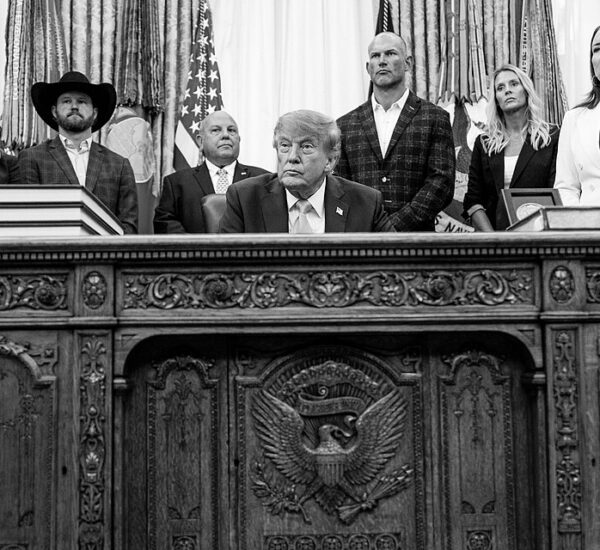
“I’ve already taken that concern inside the Oval Office,” he added.
The dispute illustrates the difficult position lawmakers can face when national policy conflicts with economic interests in their home states.
Kansas State Fair Debate Turns Heated
Marshall’s comments about Trump were only one part of an occasionally contentious Senate debate.
Members of the audience interrupted the incumbent senator several times during the event.
One of the most heated moments came when Marshall was questioned about reporting concerning debt-collection practices from his career as a physician before entering Congress.
The New York Times reported that Marshall’s former medical practice pursued hundreds of patients over unpaid medical bills, with some cases ultimately connected to arrests over outstanding debts.
Some people in the audience responded by chanting “shame on you.”
Marshall strongly rejected the characterization of his actions and called the report a “hit job.”
He argued that the collection procedures were common business practices and said patients were given considerable time before further action was taken.
Roger Marshall Faces Adam Hamilton in November
Marshall is seeking another term in the U.S. Senate and has received Trump’s endorsement.
His Democratic opponent, Adam Hamilton, is attempting to break a remarkably long losing streak for Democrats in Kansas Senate elections.
Kansas has not elected a Democrat to the U.S. Senate since 1932.
That history gives Republicans a longstanding advantage in Senate contests, although Democrats have won other major statewide offices. Democratic Gov. Laura Kelly, for example, won two terms as governor.
The Senate contest has nevertheless attracted increased attention.
Following Hamilton’s Democratic primary victory, Sabato’s Crystal Ball changed its rating of the race from “Safe Republican” to “Likely Republican.”
That rating still favors the Republican candidate but indicates analysts view the contest as more competitive than previously expected.
Trump’s $5,000 Proposal Could Remain a Campaign Issue
The debate over Trump’s proposed $5,000 payments is unlikely to disappear quickly.
For voters, the most important unanswered questions concern eligibility, funding, congressional approval and the potential impact on federal spending.
For Republican lawmakers such as Marshall, the proposal also creates a political decision: whether to immediately support the president’s plan or wait until more financial and legislative details become available.
Marshall’s latest comments suggest he is choosing the second approach.
His position could receive additional scrutiny as the November election approaches, particularly after his earlier social media post appeared to celebrate the proposal.
For now, Trump’s $5,000 dividend remains a proposal rather than an approved federal program, and Americans should not assume that payments have been authorized.
Whether the idea advances will depend on what happens in Washington — and potentially on the outcome of November’s elections.