Trump Makes New Mail-In Ballot Demand
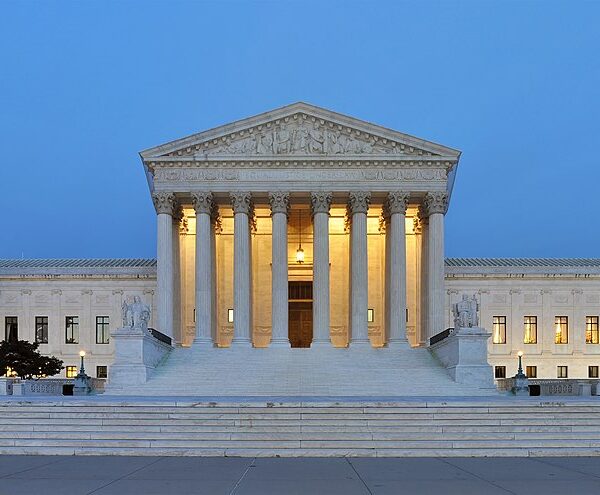
The Trump administration is taking its battle over mail-in ballot rules back to the U.S. Supreme Court, asking the justices to clear the way for new Postal Service requirements as states begin sending ballots for the November 2026 midterm elections.
The latest legal showdown could determine whether the U.S. Postal Service can enforce new requirements governing ballot envelopes and election-mail procedures before voters decide control of Congress.
The administration is seeking emergency relief after a federal judge in Massachusetts blocked enforcement of portions of the Postal Service’s new rule for the November 3 election.
The timing is critical.
Mail ballots are already beginning to enter the postal system, and additional states are preparing to send ballots to voters in the coming days.
That has left election officials, the Trump administration and voting-rights organizations locked in a fast-moving court battle over what rules should apply this close to Election Day.
Trump Administration Asks Supreme Court for Immediate Action
Solicitor General D. John Sauer, representing the administration, argues that allowing the lower-court order to remain in effect could create uncertainty as millions of ballots move through the mail.
The administration says North Carolina has already started mailing ballots, while Alabama is scheduled to begin on September 9. More states are expected to follow during the week of September 13.
Once those envelopes enter the mail system, Sauer argued, officials cannot simply retrieve them if the legal requirements change.
The administration maintains that this creates an increasingly urgent situation for both state election officials and the Postal Service.
It wants the Supreme Court to temporarily lift the lower court’s restrictions while litigation over the legality of the rule continues.
What Are the New Mail-Ballot Requirements?
At the heart of the dispute are new Postal Service standards affecting ballots sent through the U.S. mail.
The administration describes the changes as relatively modest requirements involving ballot-envelope design and information provided to the Postal Service.
Supporters of the administration’s position argue that standardized procedures can improve consistency in the handling of election mail and help establish clearer expectations for election officials.
Opponents argue that the federal government is exceeding its authority and imposing changes too close to an election for states to implement them without potentially disrupting established voting procedures.
That disagreement has turned what might otherwise appear to be a technical Postal Service regulation into a significant election-law dispute.
Federal Judge Blocks Enforcement Ahead of Midterms
U.S. District Judge Indira Talwani has issued orders limiting implementation of the administration’s election-related policies while litigation continues.
The administration has repeatedly challenged those decisions.
The Supreme Court previously intervened in an earlier phase of the dispute, staying an injunction involving President Donald Trump’s executive order.
But that decision did not finally resolve the legality of the Postal Service’s subsequent rule.
That distinction is important.
The Supreme Court’s earlier intervention should not be interpreted as a final ruling that every part of the administration’s mail-ballot policy is lawful.
The latest dispute concerns the final Postal Service rule and whether it can be enforced while challenges to it proceed through the courts.
Administration Warns of Confusion as Ballots Enter Mail
Sauer argues that the lower court’s order has created uncertainty at precisely the time election officials need clear instructions.
The administration’s position is that states should begin complying with the Postal Service requirements immediately rather than treating preparation as optional while the litigation continues.
In its Supreme Court filing, the government warned that the situation becomes increasingly difficult to unwind as more ballots are printed, distributed and mailed.
The administration therefore wants an immediate stay followed by a longer stay while the courts consider the underlying legal questions.
Democratic-Led States and Voting Groups Push Back
The administration faces opposition from Democratic-led states and voting-rights organizations.
Challengers contend that the federal government does not have the authority to impose some of the disputed requirements and argue that states have insufficient time to modify election procedures before November.
Election administration in the United States has traditionally involved substantial state authority, while the federal government and Postal Service also have important responsibilities involving federal elections and election mail.
The court fight therefore raises broader questions about where federal authority ends and state control begins.
Mail-In Voting Remains a Major Election Issue
Mail voting has become one of the country’s most closely debated election issues.
Millions of Americans use absentee or mail ballots, making Postal Service procedures particularly important during national elections.
President Trump has spent years calling for tighter safeguards surrounding mail voting and has repeatedly questioned the security of some mail-ballot practices.
Trump himself has also voted by mail.
The president has continued to dispute aspects of the 2020 presidential election. However, courts, election officials and federal authorities did not establish widespread fraud sufficient to overturn Joe Biden’s victory.
The current Supreme Court dispute is separate from determining the outcome of the 2020 election. It centers on the government’s authority to impose the new Postal Service requirements for upcoming elections.
Why the Supreme Court Case Matters
The practical stakes are substantial because the legal fight is unfolding while the 2026 midterm election is already getting underway.
Control of Congress will be decided in November, and large numbers of voters are expected to cast ballots without entering a polling place on Election Day.
A Supreme Court decision granting the administration’s request could allow the Postal Service requirements to take effect while litigation continues.
If the lower court’s order remains in place, states could continue operating without mandatory compliance with the disputed portions of the rule during the November election.
Either way, election officials need clarity quickly.
Ballots are being printed and mailed, deadlines are approaching and states have limited time to adjust their procedures.
Supreme Court Faces Another Major Election-Law Decision
The latest filing puts the Supreme Court back at the center of the fight over the administration’s election policies.
For the Trump administration, the case concerns the federal government’s ability to establish standards for ballots traveling through the U.S. mail.
For the states and organizations challenging the policy, the case concerns constitutional limits on federal authority and the potential disruption caused by changing election procedures shortly before voting.
Those competing arguments will now continue through the courts as the November 3 election approaches.
With ballots already entering the mailstream, however, the calendar may prove almost as important as the underlying legal arguments.
The longer the dispute continues, the more difficult it becomes for election administrators to adjust to whatever rules ultimately emerge.