President Trump needs to see results.
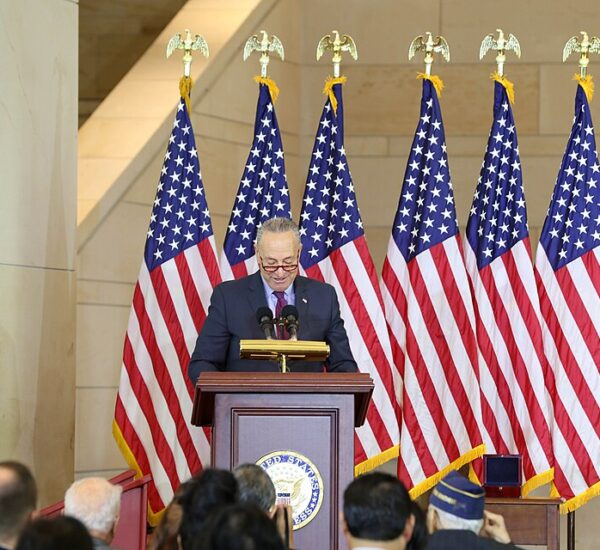
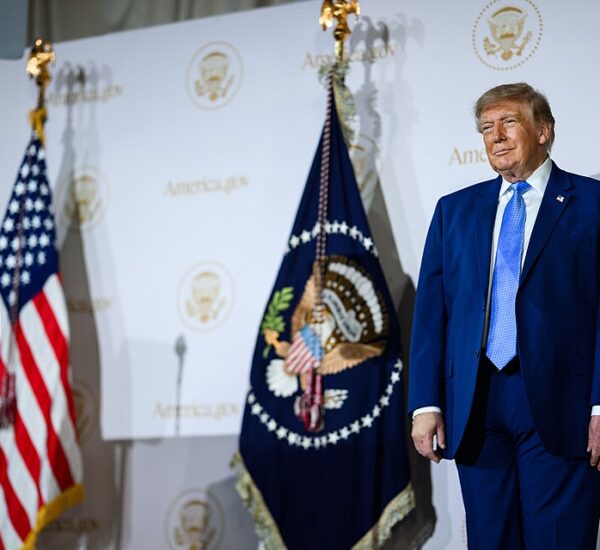
President Donald Trump and Senate Majority Leader John Thune may not agree on every strategy, but both Republicans remain focused on advancing the president’s agenda. After recent reports suggested growing tension between the two leaders, Thune is pushing back, saying their working relationship remains strong despite public disagreements over how to move key legislation through the Senate.
Speaking in a recent interview, Thune revealed that he and President Trump remain in regular contact. He said Trump had already called him twice that morning and had also reached out over the weekend, dismissing claims that communication between the White House and Senate Republican leadership has broken down.
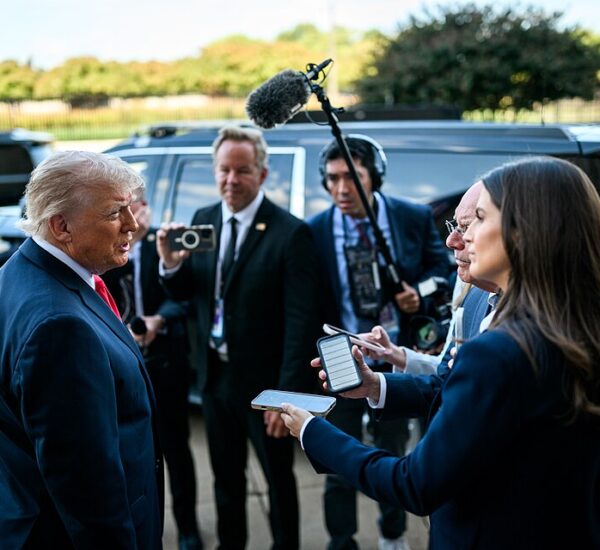
The speculation intensified after Trump recently questioned whether Thune was the right person to lead Senate Republicans, telling reporters, “We’re going to find out.” The comment sparked fresh debate about the relationship between the president and the Senate GOP leader.
However, Thune made it clear he does not view Trump’s remarks as a personal attack.
Instead, he said both men share the same goal of advancing conservative priorities but occasionally differ on the best path to reach that objective.
The biggest point of disagreement centers on the SAVE America Act, an election integrity proposal that has become one of President Trump’s top legislative priorities. Trump has repeatedly urged Republicans to find a way to pass the measure, while Senate leaders continue to face procedural obstacles and a narrowly divided chamber.
According to Thune, the challenge is not a lack of support for election integrity. Rather, it is the Senate’s complicated rules, which make passing major legislation far more difficult than in the House of Representatives.
He explained that he and President Trump have honest conversations about those realities.
Thune also praised Trump’s relentless approach to leadership, saying the president consistently pushes lawmakers to go as far as possible in achieving conservative policy goals.
Support for the SAVE America Act remains strong among many Republican senators and conservative voters across the country. The legislation has become a major priority as Republicans work to strengthen election security while also juggling other pressing issues, including confirming President Trump’s nominees and avoiding a government shutdown.
Even so, Thune acknowledged that recent weeks have been challenging.
He said there have been more difficult days than successful ones but emphasized that Senate Republicans remain focused on doing the work necessary to move the president’s agenda forward.
Passing the SAVE America Act has proven especially difficult because Republicans hold only a narrow majority in the Senate.
While a small number of Republicans have expressed reservations about certain legislative strategies, Thune pointed out that Senate Democrats have uniformly opposed the proposal every time it has reached the floor.
Thune has been a longtime supporter of the legislation. He was one of the original co-sponsors of the earlier SAVE Act, which eventually evolved into today’s SAVE America Act.
Republican leaders have also examined whether portions of the bill could advance through the budget reconciliation process, allowing some provisions to avoid the Senate filibuster.
But that strategy comes with its own challenges.
Republicans would still need to unite at least 50 GOP senators while defeating Democratic amendments during the legislative process. According to Thune, those numbers simply are not available at this time.
He stressed that political reality cannot be ignored.
There are not enough Republican votes to eliminate the filibuster, and there is no indication that Senate Democrats are prepared to support the legislation. Until those numbers change, Senate leadership must work within the rules currently in place.
Thune said that balancing President Trump’s priorities with the realities of Senate procedure is one of the most demanding parts of his job.
Unlike the House, the Senate was intentionally designed to slow legislation and encourage broader consensus before major laws are approved. While that system can be frustrating for lawmakers eager to deliver results, Thune argued that it remains an important safeguard within the nation’s constitutional framework.
For Republicans, the debate surrounding the SAVE America Act is far from over.
President Trump continues pressing for action on election integrity, while Senate Republicans search for a path that can secure enough votes to succeed. As Congress returns to several high-profile legislative battles, the relationship between Trump and Senate GOP leadership will remain under close watch, with both sides working toward the shared goal of advancing the president’s agenda despite the Senate’s procedural hurdles.