Schumer Targets Corruption Like Trump?
Senate Minority Leader Chuck Schumer (D-N.Y.) unveiled new legislation Thursday that would establish a powerful federal agency focused on investigating corruption within the federal government, setting up what could become one of the biggest ethics debates in Washington.
The proposal comes as Democrats ramp up their messaging ahead of the midterm elections, hoping to regain control of Congress while making government accountability a central campaign issue.
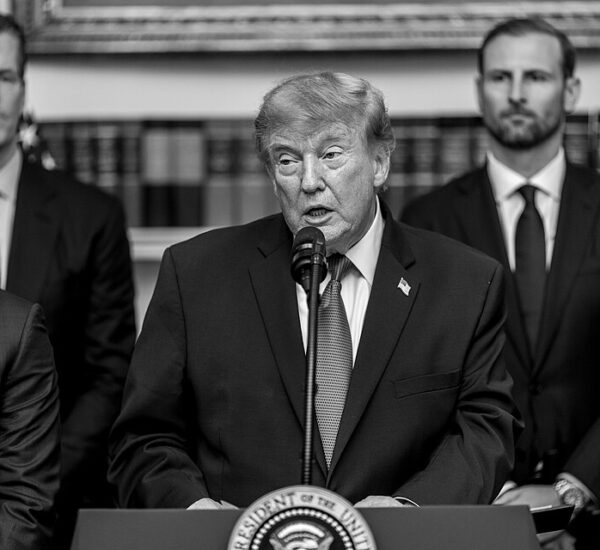
Schumer said the legislation was prompted by what he describes as ethical concerns surrounding President Donald Trump’s administration. Republicans, however, have dismissed those accusations, arguing Democrats are once again targeting Trump with politically motivated attacks.
A New Federal Watchdog
At the center of Schumer’s proposal is the creation of an Anti-Corruption Bureau, a new independent agency that would consolidate several existing government watchdog offices under one umbrella.
The bureau would absorb:
- The Office of Government Ethics
- The Federal Election Commission (FEC)
- The Office of Special Counsel
Rather than operating as separate agencies, they would be merged into a single organization governed by a seven-member board. Every board member would require Senate confirmation, and no more than three members could belong to the same political party, a structure Schumer says is intended to encourage bipartisan oversight.
The proposed bureau would also receive expanded investigative powers, including the authority to issue subpoenas during corruption investigations.
New Limits on Gifts and Financial Benefits
The legislation also seeks to tighten ethics rules for top government officials.
Under the proposal, presidents, vice presidents, their spouses, their children, and senior executive branch officials would be prohibited from requesting or accepting gifts, payments, or other items valued at more than $50,000.
Supporters argue the restrictions would strengthen public trust and reduce potential conflicts of interest. Critics are expected to question whether the new rules are necessary or whether existing ethics laws already provide sufficient safeguards.
White House Rejects the Allegations
The Trump White House responded quickly, defending the president against Schumer’s claims.
White House spokeswoman Anna Kelly said President Trump’s investment holdings are managed through fully discretionary accounts overseen by independent third-party financial institutions.
Kelly also argued that Democrats have spent years making similar accusations against Trump, his family, and his administration without producing evidence of wrongdoing that would justify creating an entirely new federal bureaucracy.
Part of Democrats’ 2026 Strategy
Schumer acknowledged that the legislation is part of the Democratic Party’s broader agenda heading into the midterm elections, where control of both chambers of Congress remains at stake.
Although the proposal faces long odds in the current Republican-controlled government, Schumer said he intends to continue pursuing it if Democrats regain the White House and Congress after the 2028 election.
He argued that stronger ethics enforcement should apply regardless of which party controls Washington, saying corruption safeguards are necessary for every administration—not just the current one.
Political Debate Expected to Intensify
The proposal is almost certain to spark a sharp political battle on Capitol Hill.
Democrats are expected to portray the legislation as a long-overdue effort to improve transparency and strengthen government accountability. Republicans, meanwhile, are likely to argue that the proposal is another attempt to expand the federal government while using ethics reform as a vehicle to criticize President Trump.
As lawmakers prepare for another heated election season, Schumer’s proposal adds yet another major issue to the growing debate over executive power, federal oversight, and the future of ethics enforcement in Washington.