This was surprising to see.
Sen. John Fetterman is taking a sharply different position from President Donald Trump on one of Washington’s most important Senate rules, setting up a debate that could shape the future of Congress.
The Pennsylvania Democrat, who once supported eliminating the Senate filibuster, now says he believes the rule is essential to protecting the nation’s system of checks and balances. His comments come as President Trump continues urging Senate Republicans to abolish the filibuster so they can move more of his legislative priorities through Congress with a simple majority.
The disagreement highlights an unusual political moment. While many Democrats previously pushed to weaken the filibuster during President Joe Biden’s administration, Fetterman now says experience in the Senate has changed his mind.
Fetterman Reverses Course
Writing in a Monday opinion piece, Fetterman acknowledged that he strongly supported ending the filibuster during his 2022 Senate campaign.
At the time, Democrats controlled both the White House and Congress and argued that the Senate’s 60-vote threshold made it too difficult to pass major legislation.
Now, after serving in the Senate for more than two years, Fetterman says he sees the issue differently.
According to the Pennsylvania senator, the filibuster serves as one of the few remaining safeguards against rapid swings in federal policy whenever control of Washington changes hands.
Rather than viewing the rule as an obstacle, Fetterman now argues it forces lawmakers from both parties to seek broader agreement before passing major legislation that affects millions of Americans.
Trump Pushes Republicans To Act
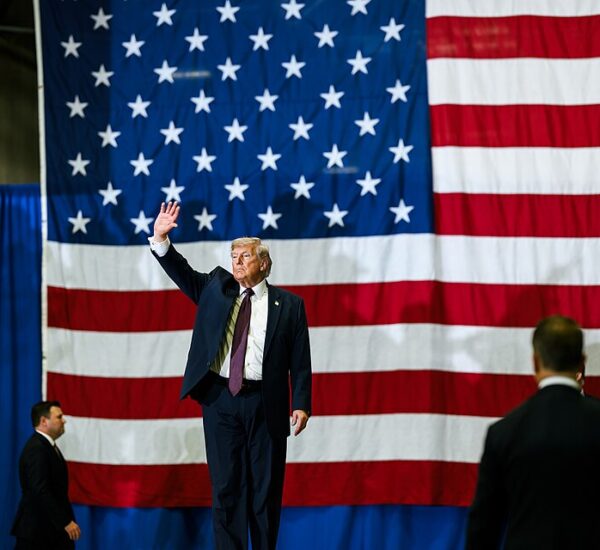
President Trump has taken the opposite position.
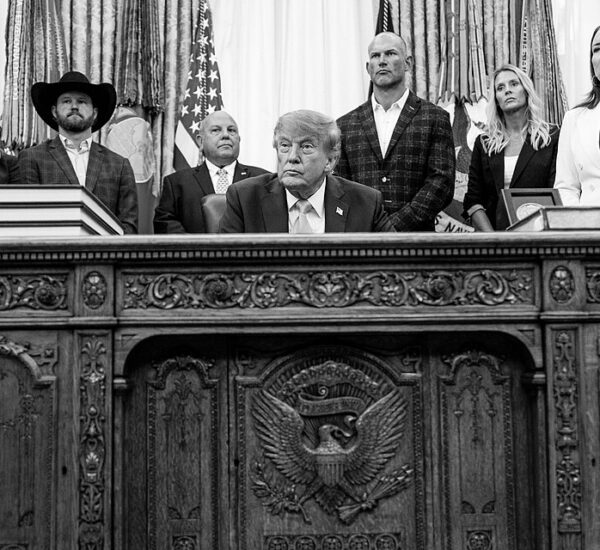
In multiple Truth Social posts Monday, Trump called on Senate Majority Leader John Thune and Republican lawmakers to stay in Washington until they approve the Save America Act and other major priorities.
The president argued that ending the filibuster would allow Republicans to move quickly on legislation involving border security, government spending, tax policy, and the federal debt ceiling.
Trump also warned that Democrats would likely eliminate the filibuster themselves if they regain unified control of Washington, arguing Republicans should act first rather than wait for their political opponents.
His message reflects growing frustration among many conservatives who believe Senate procedures have slowed the pace of Republican reforms despite the GOP holding a majority.
Why The Filibuster Matters
The Senate filibuster remains one of Congress’s most powerful procedural rules.
Under current Senate rules, most legislation requires 60 votes to end debate before moving to a final vote. Since Republicans currently control 53 seats, they still need support from at least some Democrats to advance most bills.
Supporters say the rule protects minority rights, encourages bipartisan cooperation, and prevents dramatic policy changes every time political power shifts in Washington.
Critics argue it allows a minority of senators to block legislation supported by a majority of lawmakers and voters.
The debate has divided members of both political parties for years, with politicians often changing their positions depending on which party controls Congress.
Fetterman Says The Rule Protects The Country
Fetterman now argues that preserving the filibuster benefits the country regardless of which party occupies the White House.
He said the Senate rule prevents any president from quickly reshaping federal law without building broader support and warned that removing the procedural hurdle could allow future administrations to make sweeping policy changes with little opposition.
The senator also argued that many controversial proposals introduced during 2025 have stalled not because of Democratic resistance, but because the Senate’s procedural rules require bipartisan cooperation.
A Growing Divide Within Washington
The public disagreement between Fetterman and President Trump underscores the broader debate over how Congress should function.
Trump believes eliminating the filibuster would allow Republicans to deliver on campaign promises more quickly and avoid legislative gridlock.
Fetterman, meanwhile, says preserving long-standing Senate traditions is more important than giving either political party additional power.
With Republicans continuing to advance President Trump’s agenda and Democrats defending existing Senate procedures, the future of the filibuster is likely to remain one of the most closely watched issues in Washington.
Whether lawmakers ultimately decide to preserve or eliminate the rule could have lasting consequences for how Congress operates and how quickly future presidents are able to enact their legislative priorities.