
The truth comes out.
Newly released audio recordings from former President Joe Biden’s interviews with Special Counsel Robert Hur have reignited debate over the conclusions reached during the classified documents investigation and renewed questions about Biden’s memory during the final years of his presidency.
The recordings became public after a lengthy legal dispute and are drawing fresh attention because they allow Americans to hear portions of Biden’s conversations that were previously described only in Hur’s report. Supporters of the former president argue the recordings are being used for political purposes, while critics say they reinforce concerns that many voters raised during the 2024 election cycle.
Robert Hur’s Report Sparked Immediate Backlash
Special Counsel Robert Hur investigated Biden’s handling of classified documents after records were discovered at multiple locations connected to the former president.
Although Hur concluded there was evidence that Biden had retained classified materials, he ultimately declined to recommend criminal charges. His report stated that a jury could view Biden as a “sympathetic, well-meaning, elderly man with a poor memory,” a description that immediately became one of the most debated passages in the investigation.
Democratic leaders strongly objected to that assessment, arguing Hur went beyond the legal issues surrounding the case by commenting on Biden’s memory.
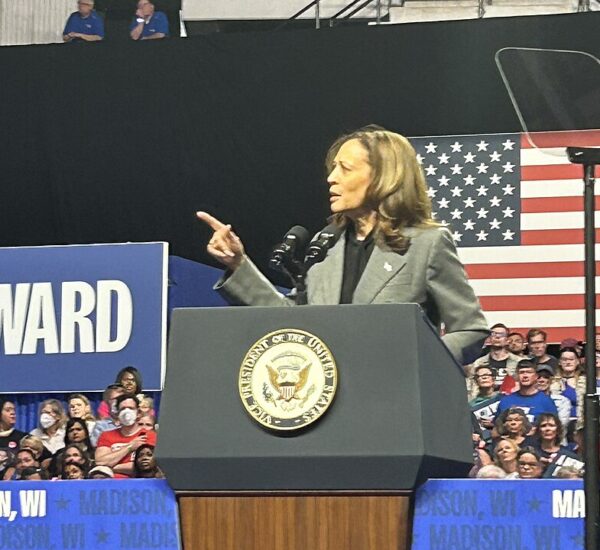
Then-Vice President Kamala Harris called the description inaccurate and inappropriate, saying the report unfairly characterized the president’s demeanor. Other Democratic lawmakers and Biden allies also criticized Hur, arguing that the language was unnecessary and politically damaging.
Newly Released Audio Draws Renewed Attention
The newly released recordings include interviews Biden participated in while discussing material connected to his memoir, Promise Me, Dad, with writer Mark Zwonitzer.
During several exchanges, Biden paused while trying to remember names, dates, and other details. In one conversation, he acknowledged having difficulty recalling the names of two economic advisers before receiving assistance during the discussion.
Another recording captures Biden attempting to remember details surrounding a memorial service, including the date of the event and the name of the individual being honored.
Supporters of Hur argue these recordings are consistent with observations included in his final report. Biden’s defenders counter that occasional memory lapses are common during lengthy interviews and should not be viewed as proof that he was unable to carry out his responsibilities as president.
Democrats Defended Biden Throughout the Investigation
When Hur released his findings, many prominent Democrats accused the special counsel of including unnecessary commentary.
Representative Dan Goldman argued that Hur had inserted opinions that were unrelated to the legal conclusions of the investigation.
Former FBI General Counsel Andrew Weissmann also criticized the report, saying the Justice Department should focus on legal findings rather than making observations about a person’s memory that could influence political debate.
Ian Sams, a spokesperson for Biden’s legal team at the time, similarly described the language as gratuitous and suggested the special counsel included unnecessary commentary after deciding not to pursue charges.
Several Democratic senators also publicly defended Biden’s leadership.
Senator Jack Reed said he never witnessed signs that Biden was unable to perform his duties during congressional meetings. Senator Tina Smith praised Biden after traveling with him, saying she found him fully engaged and capable throughout their time together.
Questions About Transparency Continue
The recordings remained private for months as Biden sought to prevent their public release.
Eventually, the nonprofit Oversight Project obtained the audio through public records requests, making the conversations available to the public.
Their release has intensified debate over whether voters were given a complete picture of Biden’s condition while he served as president and campaigned for another term.
Supporters of releasing the recordings argue greater transparency allows Americans to evaluate the evidence for themselves. Critics maintain that isolated excerpts from lengthy interviews may not accurately represent Biden’s overall abilities.
The 2024 Debate Changed the Political Landscape
Public concern surrounding Biden’s age and fitness accelerated following his nationally televised debate against then-candidate Donald Trump in 2024.
The performance prompted widespread discussion across both political parties and increased calls for Biden to reconsider his campaign.
Weeks later, Biden announced he would end his re-election bid.
Vice President Kamala Harris subsequently became the Democratic nominee, ending Biden’s campaign after months of questions surrounding his health and ability to continue serving another four-year term.
Biden’s Team Responds
Biden’s representatives have criticized the decision to release the recordings.
Spokesperson TJ Ducklo said many of the conversations involved deeply personal discussions about Biden’s late son and argued they had originally been provided to investigators with the expectation they would remain private.
Ducklo also accused the Trump administration of using the Justice Department for political retaliation while emphasizing that Biden respects the authority of the courts and the role of an independent judiciary.
Why the Recordings Matter
The release of the audio recordings has revived one of the most significant political debates of recent years: whether the American public received a complete and accurate picture of President Biden’s health and memory while he remained in office.
For critics, the recordings reinforce concerns that had been raised long before the 2024 election. For supporters, they represent only selected moments from lengthy interviews that should not define Biden’s presidency.
As Americans continue reviewing the recordings and the reactions surrounding them, the controversy is likely to remain part of the broader conversation about presidential transparency, accountability, and public trust in government.
Just proves how much scumbags democrats lied about Biden being brain dead. A three year old talks with more confidence than Biden could ever do. Biden’s whole presidency was a clown show and just let democrats destroy this country. Never ever Trust a democrat ever again they are lying cheating corrupt America destroying party. Democrats allowed 20-30 Million illegals invade our country and neighborhoods and lied to the American people for 4 years saying border is secure the destroyed this country just for there power and control over cheating elections.
Now the world will see that scumbag Biden was totally brain dead his entire presidency and democrats had hidden his dementia the whole time. Democrats need to be held accountable for all their lies fraud and corruption you can never ever Trust a democrat ever again. They lie cheat the steal taxpayers money and laundered money to foreign countries for major kickbacks. These aren’t a party we want representing our country or working for the American citizens.