Trump Tears Into Republicans
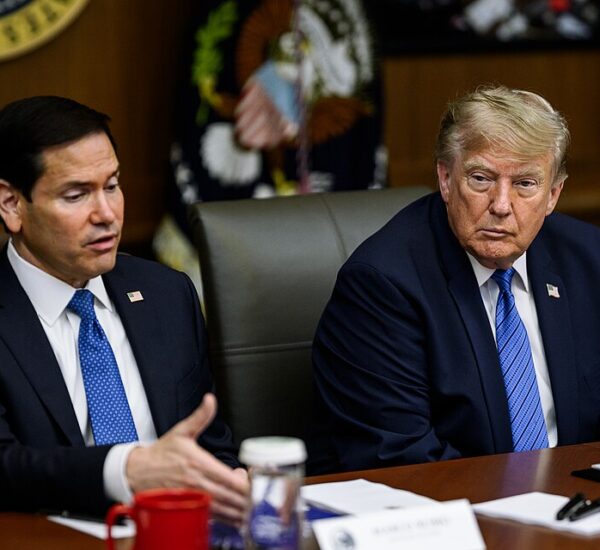
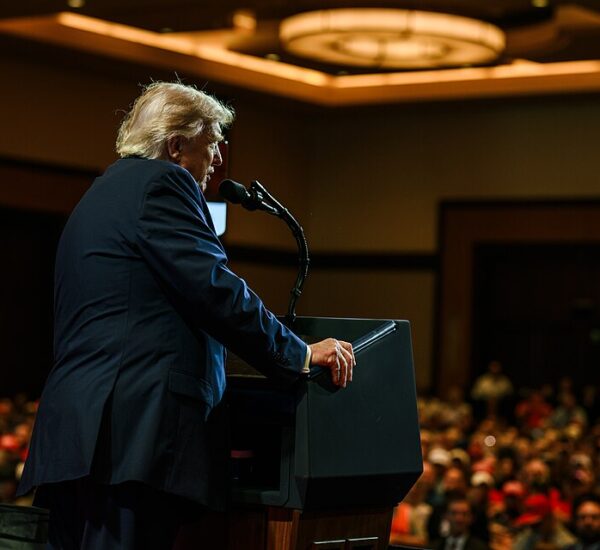
President Donald Trump delivered a blunt warning to Senate Republicans on Friday, arguing they could pay a heavy political price if Democrats regain control of the Senate and eliminate the filibuster.
In a lengthy Truth Social post, Trump criticized Republican lawmakers for refusing to change Senate rules to pass the SAVE America Act, a bill he says is essential to protecting election integrity ahead of the upcoming midterm elections.
The legislation would require proof of U.S. citizenship when registering to vote and require voters to present a valid photo ID when casting a ballot.
Trump argued that Republicans are missing a critical opportunity to advance one of their top legislative priorities while they still hold power.
Trump Warns Democrats Could End the Filibuster
Trump has frequently referred to Democrats as “Dumocrats,” but he suggested that nickname could soon apply to Republicans if they fail to act.
According to the president, Democrats would waste little time eliminating the Senate’s 60-vote filibuster if they regain the majority, allowing them to pass legislation with a simple majority vote.
Trump argued that Democrats would abolish the Senate filibuster almost immediately if they regained power. He warned that if Republicans fail to act while they have the majority, they—not Democrats—would ultimately deserve the criticism for allowing it to happen, saying it would damage both the Republican Party and the country.
Trump’s remarks highlight an ongoing debate within the Republican Party over whether the Senate should preserve the filibuster or change its rules to advance major conservative priorities.
Trump Refuses to Sign Housing Bill
Trump also announced that he will not sign a bipartisan housing package recently approved by Congress, saying his decision is a protest against the Senate’s failure to pass the SAVE America Act.
He argued that election security should take priority over other legislative initiatives.
Trump announced that he does not intend to sign the housing legislation, saying his decision is a protest against the Senate’s failure to approve the SAVE America Act despite the bill already clearing both chambers of Congress and reaching his desk.
Trump has repeatedly described the legislation as one of the most important election reform measures currently before Congress.
He said the bill would require proof of citizenship, mandatory photo identification for voting, and stricter limits on mail-in ballots while maintaining exceptions for military members, disabled Americans, those experiencing illness, and eligible travelers.
Trump also warned that lawmakers who oppose the proposal could face consequences from voters.
Calling the legislation’s failure to advance “crazy,” he argued that blocking the bill poses a serious political risk for elected officials who vote against it.
What’s Included in the Housing Bill?
The legislation at the center of the dispute is the 21st Century ROAD to Housing Act, which received overwhelming bipartisan support in Congress.
The bill passed the Senate by an 85-5 vote before clearing the House with a decisive 358-32 vote after months of negotiations between Republican and Democratic lawmakers.
Supporters say the package is designed to address housing affordability by encouraging new home construction, expanding manufactured housing, improving access to mortgage lending through community financial institutions, and limiting large institutional investors from purchasing excessive numbers of single-family homes.
Despite its broad bipartisan backing, Trump has dismissed the legislation as far less important than election reform, previously describing the housing bill as “a yawn” compared to the SAVE America Act.
What Happens Next?
Under the U.S. Constitution, a president has 10 days—excluding Sundays—to sign or veto legislation after it reaches the White House while Congress remains in session.
If no action is taken before that deadline expires, the legislation automatically becomes law.
With the review period ending Saturday at midnight, the housing bill is expected to become law unless Trump formally signs or vetoes the measure before the deadline.
Trump’s latest comments underscore how election integrity and Senate procedure are likely to remain central issues for Republicans as Congress heads toward the 2026 midterm elections.