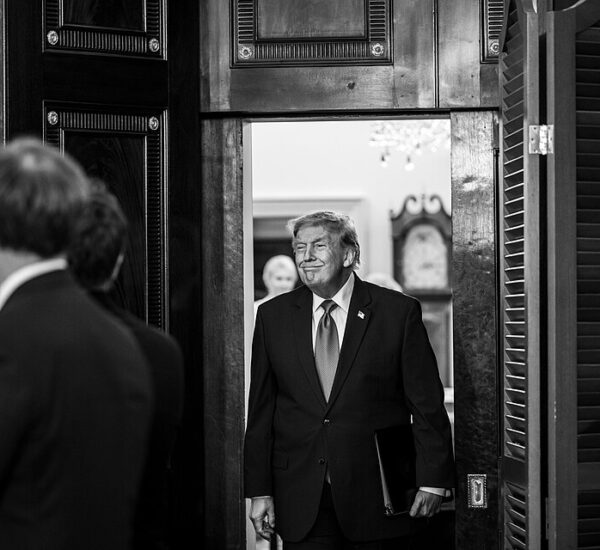
Trump is very unhappy with one US ally.
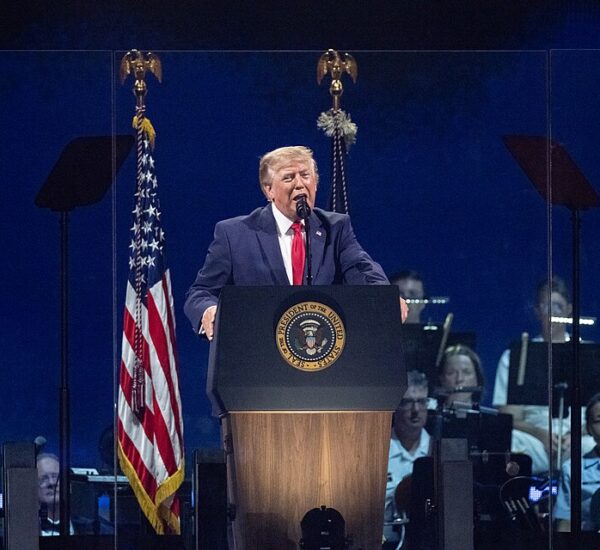
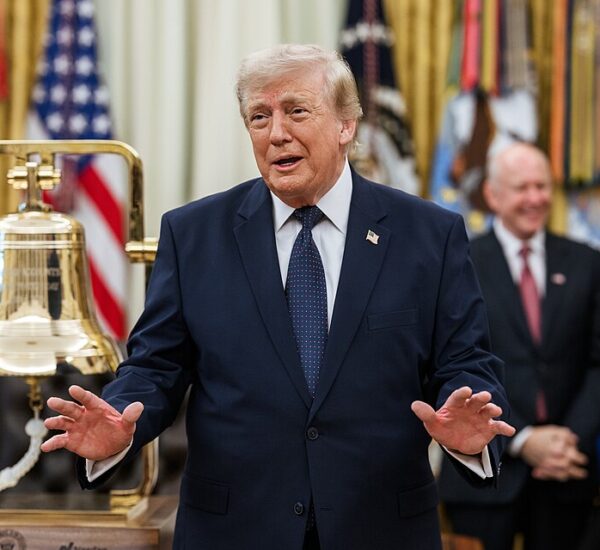
President Donald Trump issued one of his toughest warnings yet toward a longtime American ally during the NATO summit, signaling that the United States could reconsider its trade relationship with Spain after the country declined to fully embrace NATO’s new defense spending target.
The remarks underscore Trump’s continued push for what he calls a more balanced partnership between the United States and its allies, arguing that American taxpayers should no longer shoulder a disproportionate share of the cost of defending Europe.
Trump Blasts Spain Over Defense Spending
During the summit, NATO leaders approved a new benchmark encouraging member nations to invest 5% of their gross domestic product (GDP) in defense and security-related spending.
Spain stood alone among NATO members in declining to fully commit to the new target, choosing instead to seek more flexibility in meeting the alliance’s military readiness requirements.
Trump sharply criticized that decision.
Calling Spain a “wasted cause,” the president suggested the United States should rethink its economic relationship with the European nation.
“We don’t want to do any trade business with Spain anymore,” Trump said.
Trump later doubled down, saying he wanted trade with Spain halted immediately and even suggested Americans stop visiting the country.
America First Message
Trump has long argued that too many NATO allies benefit from American military protection while failing to contribute enough to their own national defense.
Throughout both of his administrations, he has repeatedly called on European nations to increase military spending rather than relying heavily on the United States.
Supporters say the strategy reflects Trump’s “America First” agenda by demanding that allies meet their commitments instead of expecting American taxpayers to carry the financial burden.
The dispute with Spain represents the latest example of Trump’s broader effort to pressure NATO members into increasing defense investments.
Could Trade Actually Be Cut Off?
While Trump’s comments were forceful, implementing major trade restrictions against Spain would not be simple.
Spain is a member of the European Union, meaning trade agreements are negotiated collectively by the EU rather than through separate bilateral agreements with individual countries.
Because of that arrangement, any attempt to significantly reduce trade would likely involve legal, diplomatic, and economic challenges.
As of Wednesday, the White House had not announced any formal policy changes or confirmed whether new trade measures against Spain are under consideration.
It remains unclear whether Trump’s comments represented a negotiating tactic designed to increase pressure on Spain or the beginning of a broader policy initiative.
A $47 Billion Trading Relationship
Despite the political disagreement, the United States and Spain maintain a substantial economic partnership.
According to U.S. Census Bureau data, the two countries traded approximately $47 billion in goods during 2025.
The United States exported roughly $26 billion in products to Spain while importing about $21 billion.
Spain ships pharmaceuticals, machinery, food products, chemicals, and automobiles to the United States, while America exports energy products, aerospace equipment, industrial machinery, and chemicals to Spain.
Fox News Digital reported that it contacted the White House, the Office of the U.S. Trade Representative, and the Spanish Embassy for comment. Responses were not immediately available.
Growing Tensions Between Washington and Madrid
Trump’s criticism also comes after months of increasing disagreements between Washington and Spanish Prime Minister Pedro Sánchez over foreign policy and national security.
Earlier this year, Sánchez criticized the U.S.-Israeli military campaign against Iran and called for de-escalation.
Spain refused to authorize the use of the jointly operated Rota Naval Base and Morón Air Base for U.S. offensive missions tied to Operation Epic Fury, maintaining that the military campaign did not have adequate support under international law.
Those disagreements have added to growing friction between the two governments over defense policy, military cooperation, and NATO responsibilities.
What Happens Next?
Whether Trump’s comments lead to formal trade action remains uncertain.
However, his message to NATO allies was unmistakable: nations that expect American protection should also be willing to meet their defense commitments.
As debates over military spending continue inside NATO, the dispute with Spain could become another major test of Trump’s “America First” approach to foreign policy and international trade.