A new Reuters/Ipsos poll found that fewer than one in four Americans believe President Trump’s war with Iran was worth the costs associated with the conflict. The survey found that 24 percent of respondents said the war was worth the financial expense, casualties, damage to military equipment and installations, and the energy disruption tied to the closure of the Strait of Hormuz, while 50 percent said it was not.
Background
The five-day poll surveyed 1,262 U.S. adults nationwide and closed on Monday. It also found widespread skepticism about the preliminary agreement signed last week between the United States and Iran, with 63 percent saying it is unlikely to produce lasting peace and only 18 percent believing the deal will hold. Respondents were also more likely to say the United States is now in a weaker position with Iran than before the conflict, by a margin of 35 percent to 23 percent. The findings come as the Pentagon has reportedly informed senators that it needs roughly $80 billion, largely to cover costs related to the war with Iran.
Trump Gets Senate GOP Back Into Compliance
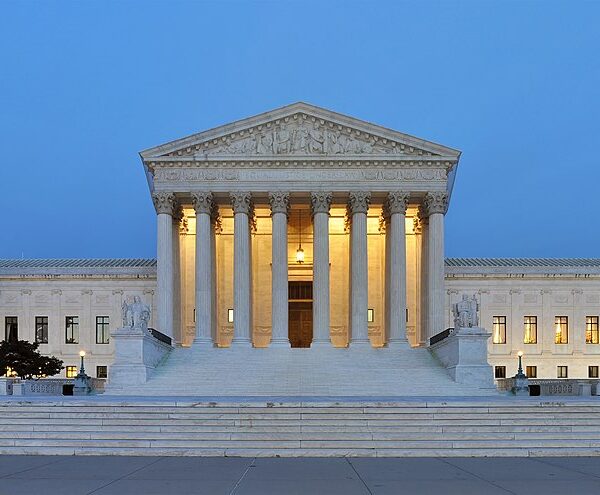
The U.S. Senate voted late Wednesday to reject a second attempt to limit President Donald Trump’s authority over recent military operations involving Iran, giving the administration more flexibility as negotiations continue to prevent further conflict.
The resolution failed by a 47-50 vote, with Sen. Rand Paul (R-Ky.) voting “present” instead of joining either side. The outcome marked another victory for the Trump administration as lawmakers debated the balance between congressional authority and presidential powers during international crises.
Backers of the resolution maintained that the Constitution gives Congress—not solely the president—the authority to decide when the nation enters war. Under the proposal, President Trump would have been required to withdraw U.S. forces from military operations involving Iran unless lawmakers formally approved the action through a declaration of war or another specific authorization for the use of military force.
Rand Paul Changes Course
One of the night’s biggest surprises came from Sen. Rand Paul, who has previously supported similar war powers resolutions. Rather than voting in favor of the measure, Paul announced shortly before the vote that he would cast a “present” vote to avoid undermining ongoing diplomatic efforts.
Paul said that active fighting appears to have subsided and that President Trump personally asked him to consider how the vote could affect sensitive negotiations.
According to Paul, voting “present” would give the administration additional room to pursue a lasting peace agreement without sending mixed signals during negotiations.
Trump Meets With Senate Republicans
Before the vote, President Trump met privately with Senate Republicans to defend his administration’s actions in Iran and discuss the path forward.
The meeting reportedly became heated when Sen. Bill Cassidy (R-La.) challenged the administration over what he described as a lack of communication with Congress regarding the military campaign.
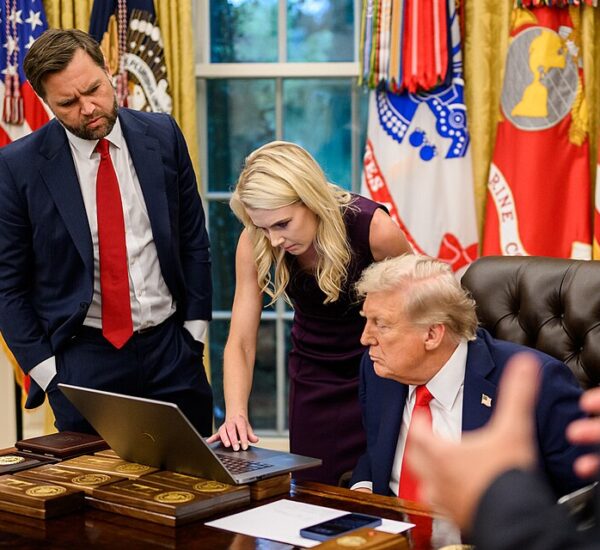
Following the meeting, the White House arranged a detailed national security briefing for Cassidy with Vice President J.D. Vance and Special Envoy Steve Witkoff. Afterward, Cassidy described the briefing as thorough and ultimately voted against the resolution.
Debate Reflects Growing Divide In Congress
The resolution first advanced out of committee in May with Cassidy’s support, surprising many Republicans after he had recently lost his primary to a Trump-backed challenger.
Although the measure failed, the debate underscored the ongoing disagreement in Washington over how much authority presidents should have to launch or continue military operations without direct congressional approval.
For the Trump administration, Wednesday night’s vote represents another important legislative win as it continues diplomatic efforts aimed at preventing renewed fighting with Iran while maintaining pressure on America’s adversaries.