NATO Addresses Trump’s Military Cut Backs
NATO leaders are attempting to reassure allies after reports revealed the United States plans to reduce some of the military assets it would contribute during the opening stages of a major conflict.
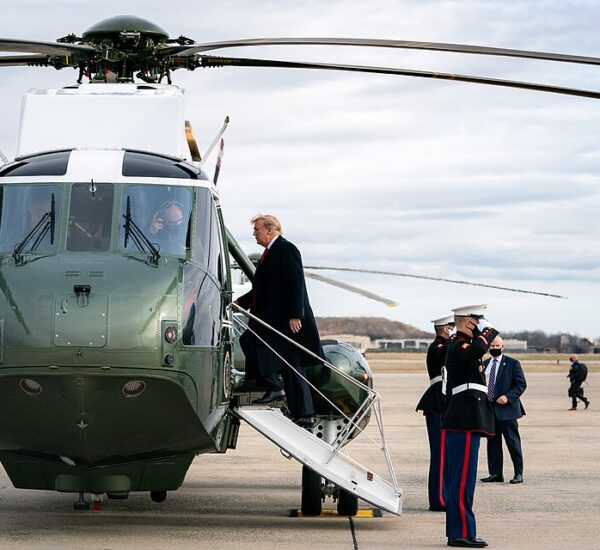
The announcement comes as President Donald Trump continues pushing European nations to take greater responsibility for their own defense rather than relying heavily on American taxpayers and military resources.
According to NATO Secretary-General Mark Rutte, the proposed changes should not immediately affect the alliance’s ability to defend member nations.
What Is Changing?
Speaking to reporters in Brussels on Wednesday, Rutte explained that the changes involve NATO defense planning rather than the removal of troops currently stationed overseas.
“This is not about where forces and assets are currently located,” Rutte said. “It’s about who would do what if our defense plans were activated.”
Reports indicate the United States informed European allies earlier this month that it intends to reduce several military assets assigned to NATO’s early-response plans.
The proposed reductions reportedly include:
- A decrease in fighter aircraft from roughly 150 to about 100
- A reduction in maritime surveillance and reconnaissance aircraft
- The removal of several aerial refueling aircraft previously allocated to support European operations
While the changes have raised questions among some defense analysts, NATO leaders insist the alliance remains fully capable of responding to threats.
Trump’s Longstanding NATO Position
For years, President Trump has argued that many NATO countries have depended too heavily on American military protection while spending too little on their own national defense.
His administration repeatedly urged European allies to increase military budgets and contribute more to collective security.
Those efforts have produced results.
Last year, NATO members agreed to significantly expand defense spending, with alliance nations committing to invest 5 percent of gross domestic product toward defense-related needs.
Supporters of Trump’s approach argue that stronger European militaries reduce pressure on U.S. taxpayers while allowing America to focus resources on emerging threats around the world.
NATO Says Allies Can Fill The Gap
Rutte indicated that NATO military leaders are confident allied nations either already possess the necessary capabilities or are in the process of acquiring them.
He pointed to assessments from NATO’s top military commander, Gen. Alexus Grynkewich, who believes alliance members will be able to compensate for any shortfalls created by reduced American commitments.
“The overall picture is looking good,” Rutte said.
The comments suggest NATO officials believe years of increased defense spending are beginning to pay off.
Congress Moves To Protect U.S. Military Presence
Even as discussions continue regarding future military commitments, Congress appears reluctant to support major reductions in America’s overseas presence.
House Republicans this week released a draft National Defense Authorization Act that would continue restrictions on significant troop withdrawals from Europe and South Korea.
The legislation would preserve current force levels of approximately:
- 76,000 U.S. troops stationed across Europe
- 28,500 U.S. troops stationed in South Korea
The measure would also limit the administration’s ability to remove substantial amounts of military equipment and technology from Europe without congressional approval.
Why This Matters
The debate highlights a growing shift inside NATO.
While the United States remains the alliance’s dominant military power, European nations are increasingly being asked to shoulder more of the burden for their own defense.
Supporters say this approach strengthens the alliance by creating a more balanced partnership while reducing costs for American taxpayers.
Critics argue that any reduction in U.S. military commitments could embolden adversaries such as Russia, China, Iran, and North Korea.
For now, NATO leaders insist the alliance remains strong, European defense spending continues to rise, and member nations are better prepared than ever to contribute to collective security.
As NATO adapts to changing global threats, the central question remains whether America’s allies are finally prepared to carry a larger share of the defense burden that Washington has shouldered for decades.