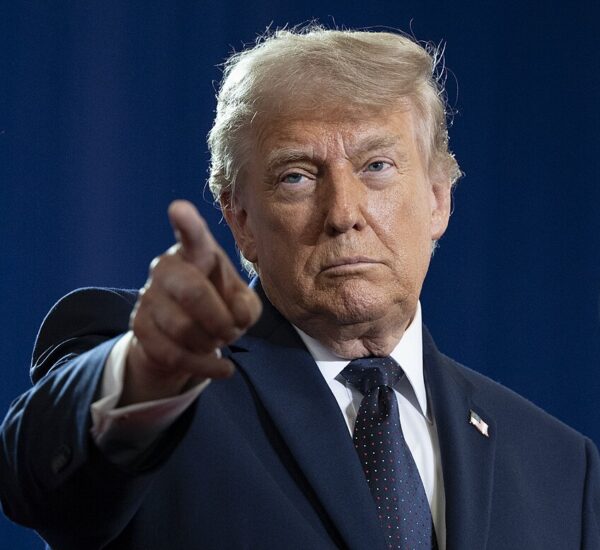
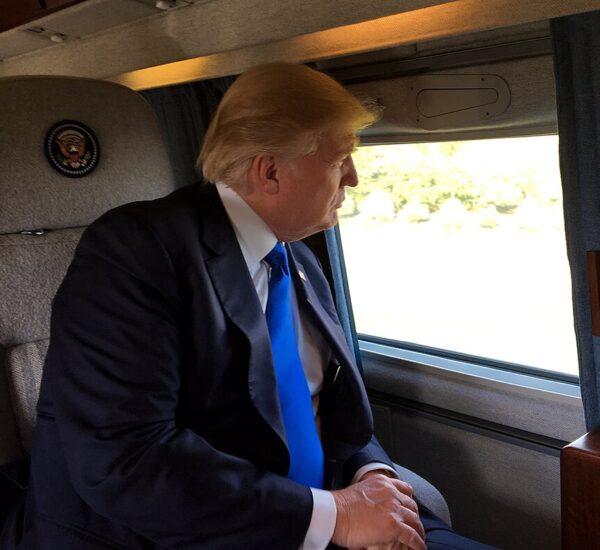
Trump Pushes Back On G7 Allies Request
As leaders of the world’s largest economies gather for the annual G7 summit, a growing disagreement has emerged over how to handle China’s expanding economic power.
Several European leaders want a coordinated effort to push back against Chinese trade practices they believe are hurting manufacturers across the Western world. President Donald Trump, however, appears to favor a different strategy: dealing directly with Beijing rather than relying on multinational pressure campaigns.
The debate highlights a larger question facing Western nations: How should they respond to China’s growing influence over global manufacturing, trade, and supply chains?
Europe Pushes for Stronger Action on China
French President Emmanuel Macron has made China’s economic policies a major focus of the summit.
European officials argue that heavy government support for Chinese industries has helped create massive manufacturing capacity that is flooding international markets with low-cost products. Industries ranging from electric vehicles to renewable energy equipment have become flashpoints in the ongoing trade debate.
Many European governments fear these policies could place additional pressure on domestic manufacturers already struggling to compete against lower-cost imports.
Macron has spent months building support among allied nations for a coordinated response aimed at addressing what European leaders describe as unfair trade practices and market distortions.
Trump Takes a Different Approach
President Trump has signaled that he is less interested in building a broad international coalition and more focused on direct negotiations with China.
During a recent meeting with Chinese President Xi Jinping, Trump emphasized the importance of the U.S.-China relationship and suggested that the world’s two largest economies can often accomplish more through direct engagement than through large international organizations.
The administration’s official priorities for the summit reflect that strategy. Rather than focusing heavily on China, the White House agenda highlights artificial intelligence, energy production, supply chain security, immigration, and public health initiatives.
Administration officials say the United States is already taking action to protect American economic interests and does not need to wait for international consensus before responding to trade challenges.
Growing Concerns About China’s Economic Model
The discussion comes as concerns continue to grow over China’s export-driven economy.
Critics argue that government subsidies, state-backed financing, and industrial planning have helped Chinese companies expand rapidly while making it more difficult for manufacturers in the United States and Europe to compete.
For many Americans, the issue goes beyond international diplomacy. It touches on manufacturing jobs, factory investment, supply chain security, and the long-term competitiveness of the U.S. economy.
These concerns have become increasingly important as policymakers debate how to strengthen domestic production and reduce dependence on foreign manufacturing.
Europe Signals It May Act Alone
Some European leaders have indicated they may move forward with trade measures even if the United States does not fully support a joint strategy.
German Chancellor Friedrich Merz recently warned that nations violating international trade standards should not expect Europe to remain passive. German officials say they are closely monitoring practices that could undermine fair competition and threaten key industries.
Economic analysts note that a lack of unity between the United States and Europe could make it more difficult to influence Beijing’s policies.
At the same time, Trump’s supporters argue that direct negotiations often produce faster results than lengthy multinational discussions that can take years to reach consensus.
What’s at Stake for American Workers?
The outcome of the debate could have significant implications for American manufacturing, energy production, supply chains, and future economic growth.
While European leaders continue pushing for a coordinated international response, the Trump administration appears committed to pursuing policies it believes best serve American interests, whether or not other nations choose the same path.
As the G7 summit continues, one thing is clear: China remains at the center of a growing global economic debate that will likely shape trade policy and manufacturing jobs for years to come.